
Hey there! As a supplier of CNC machining parts, I've been getting a lot of questions lately about how to improve the ductility of these parts. Ductility is super important, especially when you need parts that can bend and stretch without breaking. So, I thought I'd share some tips and tricks that I've picked up over the years.
Understanding Ductility in CNC Machining Parts
First off, let's talk about what ductility is. In simple terms, ductility is the ability of a material to deform under tensile stress, like when you pull on it. For CNC machining parts, good ductility means the parts can withstand forces without cracking or failing. This is crucial in applications where the parts might experience bending, stretching, or other forms of deformation.


The ductility of a CNC machining part depends on a few key factors, including the material used, the machining process, and any post - machining treatments. Let's break down each of these factors and see how we can optimize them to improve ductility.
Material Selection
The material you choose for your CNC machining parts plays a huge role in determining their ductility. Some materials are naturally more ductile than others. Here are a few options to consider:
Aluminum Alloys
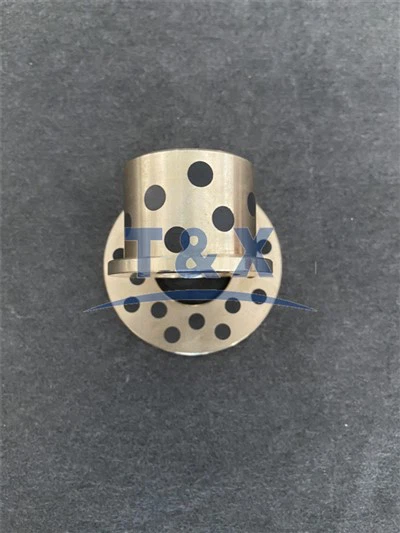
Aluminum alloys are a popular choice for CNC machining due to their good combination of strength and ductility. For example, the Aluminum Alloy Machined Boss is made from an aluminum alloy that offers decent ductility. Alloys like 6061 and 7075 are commonly used. 6061 has excellent corrosion resistance and is relatively easy to machine, while 7075 is stronger but still maintains a reasonable level of ductility.
Copper Alloys
Copper and its alloys, such as brass and bronze, are also known for their high ductility. They are often used in applications where electrical conductivity and formability are important. Copper alloys can be easily machined into complex shapes while still retaining their ability to deform without breaking.
Mild Steel
Mild steel is another option. It's relatively inexpensive and has good ductility, especially in its annealed state. Mild steel can be used for a wide range of CNC machining parts, from simple brackets to more complex structural components.
When selecting a material, it's important to consider the specific requirements of your application. You need to balance ductility with other properties like strength, hardness, and corrosion resistance.
Machining Process Optimization
The way you machine your parts can also have a significant impact on their ductility. Here are some tips for optimizing the machining process:
Cutting Parameters
Proper cutting parameters are crucial. You need to choose the right cutting speed, feed rate, and depth of cut. If the cutting speed is too high, it can generate excessive heat, which may lead to work - hardening of the material and reduce its ductility. On the other hand, if the feed rate is too low, it can cause chatter and uneven cuts, which can also affect the part's integrity.
For example, when machining aluminum alloys, a moderate cutting speed and a relatively high feed rate are usually recommended. This helps to minimize heat generation and ensures a smooth cut.
Tool Selection
Using the right cutting tools is essential. High - quality tools with sharp edges can reduce the amount of force required to cut the material, which in turn reduces the risk of work - hardening. Carbide tools are often a good choice for CNC machining, as they can maintain their sharpness for longer periods and can handle high - speed cutting.
Machining Strategy
The machining strategy you choose can also affect ductility. For example, using a finishing pass with a light depth of cut can help to improve the surface finish and reduce the residual stresses in the part. Residual stresses can act as stress raisers and reduce the ductility of the part.
Post - Machining Treatments
After machining, there are several post - machining treatments that can be used to improve the ductility of CNC machining parts.
Annealing
Annealing is a heat treatment process that involves heating the part to a specific temperature and then slowly cooling it. This process helps to relieve the internal stresses in the material and restore its ductility. For example, if you've machined a part from a hard - tempered steel, annealing can make it more ductile.
Shot Peening
Shot peening is a process where small spherical particles are shot at the surface of the part. This creates a compressive stress layer on the surface, which can improve the fatigue resistance and ductility of the part. It's often used for parts that are subjected to cyclic loading.
Surface Coating
Applying a surface coating can also improve the ductility of a part. Some coatings can act as a lubricant, reducing the friction between the part and its mating components. This can prevent premature wear and cracking, which in turn improves the overall ductility of the part.
Real - World Examples
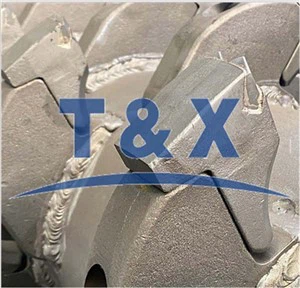
Let's take a look at some real - world examples of how these techniques can be applied. Consider the Trailer Wheel Stamping Hub Housing. This part needs to have good ductility to withstand the forces generated during vehicle operation. By using an appropriate aluminum alloy, optimizing the machining process, and applying a post - machining treatment like annealing, we can ensure that the hub housing has the required ductility.
Another example is the Flange Parts. Flange parts are often used in piping systems and need to be able to withstand bending and stretching without failing. By carefully selecting the material, machining the parts with the right parameters, and applying post - machining treatments, we can improve their ductility and ensure their long - term performance.
Conclusion
Improving the ductility of CNC machining parts is a multi - faceted process that involves material selection, machining process optimization, and post - machining treatments. By understanding the factors that affect ductility and implementing the right strategies, you can ensure that your parts have the required performance and durability.
If you're in the market for high - quality CNC machining parts with excellent ductility, we'd love to hear from you. Whether you need Trailer Wheel Stamping Hub Housing, Aluminum Alloy Machined Boss, or Flange Parts, we have the expertise and experience to meet your needs. Reach out to us to start a conversation about your specific requirements and let's work together to create the perfect parts for your application.
References
- ASM Handbook, Volume 2: Properties and Selection: Nonferrous Alloys and Special - Purpose Materials
- Machining Handbook, 31st Edition
- Metals Handbook Desk Edition, 3rd Edition