
When dealing with die casting parts, safety is of utmost importance. As a supplier of die casting parts, I understand the potential risks involved in handling these components and the need for strict safety precautions. In this blog post, I will share some essential safety measures that every worker should follow when handling die casting parts.
General Safety Precautions
Before starting any work with die casting parts, it is crucial to ensure that you are wearing the appropriate personal protective equipment (PPE). This includes safety glasses, gloves, and protective clothing. Safety glasses protect your eyes from flying debris, while gloves provide protection against sharp edges and hot surfaces. Protective clothing, such as long - sleeved shirts and pants, helps prevent burns and cuts.
Another important general safety measure is to keep the work area clean and organized. Cluttered workspaces can lead to accidents, as workers may trip over tools or parts. Regularly sweep the floor to remove any metal shavings or debris, and store tools and parts in designated areas.
Handling and Storage
When handling die casting parts, always use proper lifting techniques. Avoid lifting heavy parts alone; instead, use lifting equipment such as hoists or forklifts if necessary. When manually lifting, bend your knees and keep your back straight to prevent back injuries.
It is also important to handle the parts gently to avoid damage. Die casting parts can be brittle, and rough handling may cause cracks or fractures. When moving parts, use soft - padded tools or containers to prevent scratches and dents.
In terms of storage, die casting parts should be stored in a dry and clean environment. Moisture can cause corrosion, which can weaken the parts over time. Store the parts on racks or shelves to keep them off the ground and prevent damage. Label the storage areas clearly to ensure easy identification of the parts.
Working with Aluminum Die Casting Parts
Aluminum Die Casting Parts are widely used due to their lightweight and excellent corrosion resistance. However, there are specific safety precautions when working with them.
Aluminum can react with certain chemicals, so it is important to keep the parts away from acidic or alkaline substances. When cleaning aluminum die casting parts, use mild detergents and soft cloths. Avoid using abrasive cleaners, as they can scratch the surface of the parts and expose them to corrosion.
During the machining process of aluminum die casting parts, there is a risk of aluminum dust generation. Aluminum dust is combustible, and in high concentrations, it can pose an explosion hazard. To prevent this, use proper ventilation systems to remove the dust from the work area. Additionally, install dust collection systems to capture the dust before it spreads.
Working with Zinc Die Casting Parts
Zinc Die Casting Parts are known for their high precision and good casting properties. However, zinc can release toxic fumes when heated. When welding or soldering zinc die casting parts, make sure to work in a well - ventilated area. Use local exhaust ventilation systems to remove the fumes directly at the source.
Zinc die casting parts can also be prone to surface oxidation. To prevent this, apply a protective coating to the parts after they are manufactured. This coating not only protects the parts from oxidation but also enhances their appearance.
Machining and Finishing
During the machining of die casting parts, such as drilling, milling, or turning, there is a risk of flying chips and debris. Use chip guards on the machining equipment to prevent the chips from flying out and hitting the operator. Also, make sure to stop the machine before making any adjustments or cleaning the chips.
When finishing the die casting parts, such as polishing or painting, use appropriate ventilation. Some finishing materials may contain harmful chemicals, such as solvents in paints. These chemicals can cause respiratory problems if inhaled in large quantities. Wear a respirator if necessary and work in a well - ventilated area.
Electrical Safety
If you are using electrical equipment to handle die casting parts, such as electric hoists or machining tools, ensure that the equipment is properly grounded. Faulty electrical equipment can cause electric shocks, which can be life - threatening. Regularly inspect the electrical cords and plugs for any signs of damage, and replace them immediately if found.
Training and Education
All workers who handle die casting parts should receive proper training on safety procedures. This training should cover topics such as PPE usage, handling techniques, and emergency response. Regular safety meetings should be held to reinforce the importance of safety and to discuss any new safety concerns.
Emergency Preparedness
In case of an emergency, such as a fire or an injury, it is essential to have an emergency plan in place. The workplace should be equipped with fire extinguishers, first - aid kits, and emergency exits. Workers should know the location of these safety equipment and the procedures to follow in case of an emergency.
Conclusion
Handling die casting parts safely is a shared responsibility between the supplier and the end - user. As a die casting parts supplier, I am committed to providing high - quality parts and ensuring that all safety guidelines are followed. By implementing these safety precautions, we can minimize the risks associated with handling die casting parts and create a safer work environment.

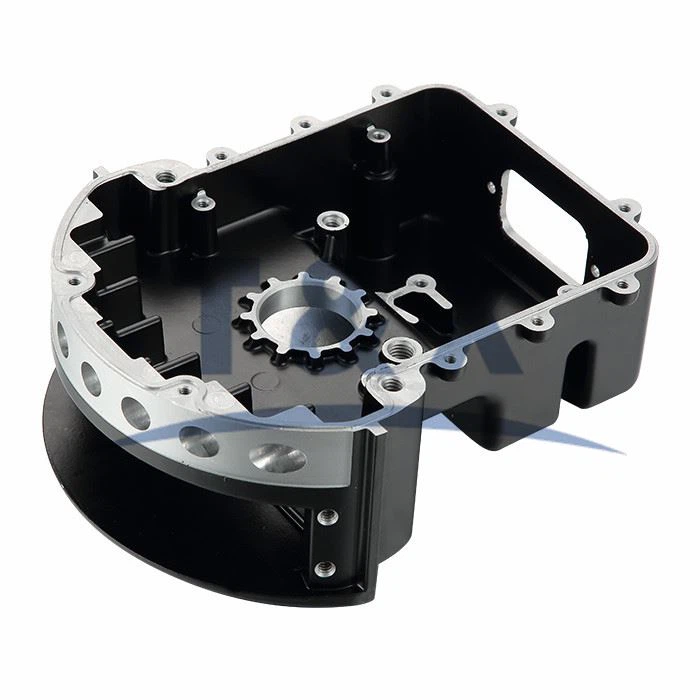
If you are interested in purchasing our die casting parts or have any questions about safety in handling them, please feel free to contact us for further discussion and procurement negotiation.
References
- ASM Handbook, Volume 15: Casting. ASM International.
- OSHA (Occupational Safety and Health Administration) guidelines on metalworking safety.
- Industry standards and best practices for die casting part handling.