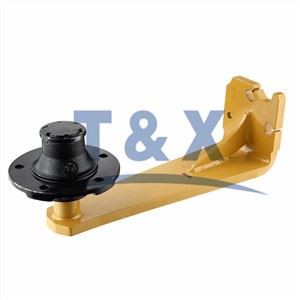

Hey there! As a supplier of flange parts, I know how important it is to keep these components clean. Clean flange parts not only ensure optimal performance but also extend their lifespan. In this blog, I'll share some practical tips on how to clean flange parts effectively.
Why Cleaning Flange Parts Matters
Before we dive into the cleaning process, let's talk about why it's so crucial. Flange parts are often used in various industries, including automotive, aerospace, and manufacturing. Over time, they can accumulate dirt, grease, rust, and other contaminants. These contaminants can cause several problems, such as reduced sealing effectiveness, increased friction, and even corrosion. By regularly cleaning flange parts, you can prevent these issues and keep your equipment running smoothly.
Tools and Materials You'll Need
To clean flange parts, you'll need a few essential tools and materials. Here's a list of what you'll need:
- Cleaning Solvent: Choose a solvent that is suitable for the type of contaminants on your flange parts. Common solvents include degreasers, detergents, and rust removers.
- Brushes: You'll need a variety of brushes to clean different parts of the flange. A stiff-bristled brush can be used to remove stubborn dirt and rust, while a soft-bristled brush can be used for more delicate areas.
- Rags or Towels: Use clean rags or towels to dry the flange parts after cleaning.
- Protective Gear: Wear gloves and safety glasses to protect yourself from the cleaning solvent and any debris.
Step-by-Step Cleaning Process
Now that you have your tools and materials ready, let's walk through the step-by-step cleaning process:
Step 1: Prepare the Work Area
Before you start cleaning the flange parts, make sure you have a clean and well-ventilated work area. Lay down a drop cloth or newspaper to catch any spills or debris.
Step 2: Remove Loose Debris
Use a brush or compressed air to remove any loose dirt, dust, or debris from the flange parts. Pay special attention to the bolt holes and sealing surfaces.
Step 3: Apply the Cleaning Solvent
Apply the cleaning solvent to the flange parts using a brush or spray bottle. Make sure to cover all surfaces, including the inside and outside of the flange. Allow the solvent to soak for a few minutes to loosen the contaminants.
Step 4: Scrub the Flange Parts
Use a brush to scrub the flange parts gently. Focus on the areas with stubborn dirt or rust. You may need to apply more solvent and scrub again if necessary.
Step 5: Rinse the Flange Parts
Once you've scrubbed the flange parts, rinse them thoroughly with clean water. Make sure to remove all traces of the cleaning solvent.
Step 6: Dry the Flange Parts
Use a clean rag or towel to dry the flange parts completely. Make sure there is no moisture left on the parts, as this can cause rusting.
Step 7: Inspect the Flange Parts
After drying the flange parts, inspect them carefully for any signs of damage or wear. Look for cracks, scratches, or other defects that may affect the performance of the flange.
Step 8: Apply a Protective Coating
To prevent future corrosion and contamination, you can apply a protective coating to the flange parts. There are several types of coatings available, including paint, powder coating, and galvanizing. Choose a coating that is suitable for the environment in which the flange parts will be used.


Tips for Cleaning Specific Types of Flange Parts
Different types of flange parts may require different cleaning methods. Here are some tips for cleaning specific types of flange parts:
Carbon Steel Flanges
Carbon steel flanges are prone to rusting, so it's important to clean them regularly and apply a protective coating. Use a rust remover to remove any rust from the flanges, and then rinse them thoroughly with water. Dry the flanges completely and apply a rust-resistant paint or coating.
Stainless Steel Flanges
Stainless steel flanges are more resistant to corrosion than carbon steel flanges, but they can still accumulate dirt and grease. Use a mild detergent and a soft-bristled brush to clean the flanges. Rinse them thoroughly with water and dry them with a clean rag or towel.
Cast Iron Flanges
Cast iron flanges are heavy and durable, but they can be prone to cracking if not cleaned properly. Use a degreaser to remove any grease or oil from the flanges, and then scrub them with a stiff-bristled brush. Rinse the flanges thoroughly with water and dry them completely.
Additional Products for Your Machinery
In addition to flange parts, we also offer a range of other high-quality products for your machinery. Check out our Graphite Self-lubricating Copper Sleeve, Machined Pins Construction Machinery Parts, and Aluminum Alloy Machined Boss. These products are designed to provide reliable performance and long-lasting durability.
Contact Us for Your Flange Parts Needs
If you're in the market for high-quality flange parts or any of our other products, don't hesitate to contact us. We have a team of experts who can help you find the right products for your specific needs. Whether you're a small business or a large corporation, we're committed to providing you with the best products and services at competitive prices.
References
- "Flange Maintenance and Cleaning Guide" - Industrial Machinery Magazine
- "Best Practices for Cleaning Metal Parts" - Manufacturing Today