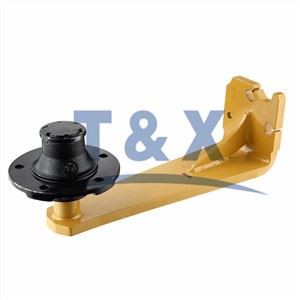

Hey there! As a hub axles supplier, I've seen my fair share of faulty hub axles over the years. It can be a real pain in the neck when you're dealing with a problem like this, but don't worry – I'm here to help you figure out how to diagnose a faulty hub axle.
First off, let's talk about what a hub axle is and what it does. A hub axle is a crucial part of your vehicle's wheel assembly. It connects the wheel to the vehicle and allows the wheel to rotate smoothly. When a hub axle goes bad, it can cause all sorts of problems, from strange noises to poor handling.
Visual Inspection
The first step in diagnosing a faulty hub axle is to do a visual inspection. This is pretty straightforward. You'll want to take a good look at the hub axle and the surrounding components. Look for any signs of damage, such as cracks, dents, or excessive wear. Check the seals around the hub axle to make sure they're intact. If the seals are broken or damaged, it could allow dirt and moisture to get in, which can lead to premature wear and failure.
Also, take a look at the wheel bearings. The wheel bearings are located inside the hub axle, and they're responsible for allowing the wheel to rotate freely. If the bearings are worn out, you might notice that the wheel feels loose or wobbly when you try to move it back and forth. You might also see some play in the wheel, which is a sign that the bearings need to be replaced.
Listen for Noises
Another way to diagnose a faulty hub axle is to listen for noises. A bad hub axle can make all sorts of strange sounds, such as grinding, humming, or clicking. These noises can be a sign that the bearings are worn out, or that there's some other problem with the hub axle.


To listen for these noises, you'll need to take your vehicle for a drive. Pay close attention to the sounds coming from the wheels. If you hear a grinding or humming noise that gets louder as you speed up, it could be a sign of a bad hub axle. If you hear a clicking noise when you turn the steering wheel, it could be a sign of a problem with the CV joints, which are also part of the wheel assembly.
Check for Vibration
Vibration is another common symptom of a faulty hub axle. If you feel a vibration in the steering wheel or the floorboard of your vehicle, it could be a sign that the hub axle is out of balance or that the bearings are worn out.
To check for vibration, take your vehicle for a drive on a smooth road. Pay attention to how the vehicle feels as you're driving. If you feel a vibration that gets worse as you speed up, it could be a sign of a problem with the hub axle. You might also notice that the vibration is more pronounced when you turn the steering wheel.
Use a Diagnostic Tool
If you're still not sure whether your hub axle is faulty, you can use a diagnostic tool. There are several different types of diagnostic tools available, but one of the most common is a wheel bearing noise detector. This tool can help you pinpoint the source of the noise and determine whether the hub axle is the problem.
To use a wheel bearing noise detector, you'll need to attach it to the wheel hub. The tool will then listen for any abnormal noises coming from the bearings. If the tool detects a problem, it will alert you with a warning light or a beep.
Common Causes of Hub Axle Failure
Now that you know how to diagnose a faulty hub axle, let's talk about some of the common causes of hub axle failure. One of the most common causes is lack of maintenance. If you don't change your wheel bearings regularly, they can wear out over time and cause the hub axle to fail.
Another common cause of hub axle failure is damage from road debris. If you hit a pothole or a curb, it can damage the hub axle or the wheel bearings. This can lead to premature wear and failure.
Finally, overloading your vehicle can also cause hub axle failure. If you're carrying too much weight, it can put extra stress on the hub axles and the wheel bearings. This can cause them to wear out more quickly and fail prematurely.
Related Products
If you're in the market for some related products, we offer a range of high-quality items. For instance, we have the Graphite Self-lubricating Copper Sleeve. This sleeve is designed to provide smooth and efficient operation, reducing friction and wear.
We also have the Aluminum Alloy Machined Boss. It's made from high-quality aluminum alloy, which means it's lightweight yet strong, and it's precision-machined for a perfect fit.
And if you're looking for a trailer wheel hub, our Trailer Wheel Hubs Cast Hub is a great option. It's durable and designed to withstand the rigors of the road.
Conclusion
Diagnosing a faulty hub axle isn't always easy, but by following these steps, you should be able to figure out whether your hub axle is the problem. Remember, if you're not sure what's wrong, it's always a good idea to take your vehicle to a professional mechanic. They have the tools and the expertise to diagnose and fix the problem quickly and safely.
If you're in the market for new hub axles or any of the related products I mentioned earlier, don't hesitate to reach out. We're here to provide you with high-quality products and excellent customer service. Whether you're a DIY enthusiast or a professional mechanic, we've got the parts you need to keep your vehicles running smoothly.
References
- "Automotive Wheel Hub Assembly Troubleshooting Guide" - Various automotive repair manuals
- "Common Causes of Hub Axle Failure" - Industry research and technical papers