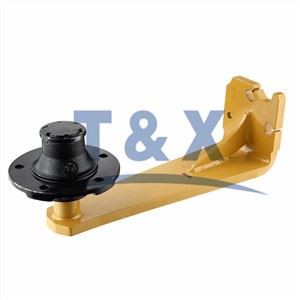

As a supplier of flange parts, I've encountered numerous challenges in ensuring the flatness of these components. Flatness is a critical factor in flange parts as it directly impacts their functionality and performance. A flange with poor flatness can lead to leaks, improper mating with other components, and ultimately, system failure. In this blog, I'll share some practical tips on how to ensure the flatness of flange parts.
Understanding the Importance of Flatness
Before diving into the methods of ensuring flatness, it's essential to understand why it matters. Flanges are used to connect pipes, valves, pumps, and other equipment in various industries, including oil and gas, chemical, and manufacturing. A flat flange surface ensures a tight seal between the connected components, preventing leaks and maintaining the integrity of the system. Moreover, flat flanges are easier to install and align, reducing the risk of misalignment and subsequent damage.
Precise Machining Processes
One of the primary ways to ensure the flatness of flange parts is through precise machining processes. Here are some key steps to consider:
Material Selection
The choice of material plays a crucial role in achieving flatness. High-quality materials with consistent properties are less likely to warp or deform during machining. As a supplier, I always recommend using materials that are known for their stability and machinability. For example, stainless steel is a popular choice for flange parts due to its corrosion resistance and mechanical strength.
CNC Machining
Computer Numerical Control (CNC) machining is a highly accurate and efficient method for manufacturing flange parts. CNC machines use pre-programmed instructions to control the movement of cutting tools, ensuring precise and repeatable results. By using CNC machining, we can achieve tight tolerances and smooth surface finishes, which are essential for flatness.
Surface Grinding
Surface grinding is a finishing process that can further improve the flatness of flange parts. This process involves using a grinding wheel to remove a thin layer of material from the surface, resulting in a flat and smooth finish. Surface grinding can be performed on both the face and the edges of the flange, ensuring uniform flatness across the entire part.
Quality Control Measures
In addition to precise machining processes, implementing quality control measures is essential to ensure the flatness of flange parts. Here are some quality control steps that I follow as a supplier:
Inspection Tools
Using accurate inspection tools is crucial for measuring the flatness of flange parts. Tools such as dial indicators, optical flatness gauges, and coordinate measuring machines (CMMs) can provide precise measurements of surface flatness. By regularly inspecting the parts during the manufacturing process, we can identify any deviations from the required flatness and take corrective actions immediately.
Statistical Process Control (SPC)
Statistical Process Control is a method of monitoring and controlling a manufacturing process to ensure that it operates within acceptable limits. By collecting and analyzing data on the flatness of flange parts, we can identify trends and patterns that may indicate potential issues. SPC allows us to make data-driven decisions and take proactive measures to prevent quality problems.
Final Inspection
Before shipping the flange parts to our customers, we conduct a final inspection to ensure that they meet the required flatness specifications. This inspection includes a visual inspection, dimensional measurement, and functional testing. Only parts that pass the final inspection are approved for shipment.
Proper Handling and Storage
Proper handling and storage of flange parts are also important to maintain their flatness. Here are some tips to consider:
Handling
When handling flange parts, it's important to use appropriate lifting and handling equipment to avoid damaging the parts. Sharp edges and rough surfaces can cause scratches and dents, which can affect the flatness of the parts. We always ensure that our employees are trained on proper handling techniques to minimize the risk of damage.
Storage
Flange parts should be stored in a clean, dry, and temperature-controlled environment to prevent corrosion and deformation. Stacking the parts properly can also help to maintain their flatness. We use specialized storage racks and containers to ensure that the parts are stored in a way that minimizes the risk of damage.
Real-World Applications
To give you a better idea of how these methods work in real-world applications, let's take a look at some examples:
Trailer Wheel Forged Hub Housing With Bearings & Races
The Trailer Wheel Forged Hub Housing With Bearings & Races requires precise flatness to ensure proper alignment and functioning of the bearings. By using CNC machining and surface grinding, we can achieve the required flatness for this component, ensuring smooth operation and long service life.
Graphite Self-lubricating Copper Sleeve
The Graphite Self-lubricating Copper Sleeve is another example where flatness is crucial. A flat surface ensures proper contact between the sleeve and the mating component, allowing for efficient lubrication and reduced friction. Our precise machining processes and quality control measures ensure that the flatness of this sleeve meets the highest standards.
Trailer Wheel Hubs Cast Hub
The Trailer Wheel Hubs Cast Hub also requires flatness to ensure proper fit and function. By using high-quality materials and precise machining techniques, we can achieve the required flatness for this component, ensuring reliable performance and safety.
Conclusion
Ensuring the flatness of flange parts is a critical aspect of manufacturing high-quality components. By using precise machining processes, implementing quality control measures, and proper handling and storage, we can achieve the required flatness for flange parts. As a supplier, I'm committed to providing our customers with the highest quality flange parts that meet their specific requirements.
If you're in the market for flange parts or have any questions about ensuring flatness, I'd love to hear from you. Contact us to discuss your needs and let's work together to find the best solutions for your projects.


References
- "Machining Handbook," Industrial Press Inc.
- "Quality Control Handbook," ASQ Quality Press.