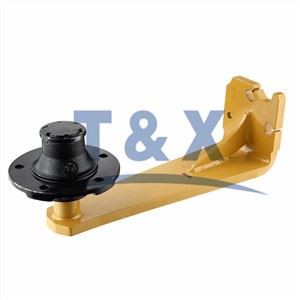

Identifying worn-out auger wear parts is crucial for maintaining the efficiency and safety of your drilling operations. As a seasoned supplier of auger wear parts, I've witnessed firsthand the impact that worn components can have on performance. In this blog, I'll share my insights on how to spot these signs and why it's essential to address them promptly.


The Importance of Identifying Worn-Out Parts
Before delving into the identification process, it's important to understand why recognizing worn-out auger wear parts is so vital. Worn components can lead to a range of issues, including reduced drilling efficiency, increased fuel consumption, and even safety hazards. By identifying and replacing these parts in a timely manner, you can avoid costly downtime and ensure the longevity of your equipment.
Visual Inspection
One of the most straightforward ways to identify worn-out auger wear parts is through a visual inspection. This involves carefully examining each component for signs of wear, such as cracks, chips, or excessive abrasion. Here are some key areas to focus on:
Cutting Teeth
The cutting teeth are among the most critical components of an auger. Over time, they can become dull or damaged, reducing their ability to penetrate the ground effectively. Look for signs of wear on the tips of the teeth, such as flattening or chipping. If the teeth are severely worn, they may need to be replaced. For example, the Rock Tooth BFZ70 is a high-quality replacement option that can restore the cutting performance of your auger.
Auger Flighting
The auger flighting is responsible for transporting the drilled material to the surface. Check for signs of wear on the edges of the flighting, as well as any cracks or holes. Worn flighting can cause material to spill out during drilling, reducing efficiency and increasing the risk of blockages. The Auger Flighting - Auger Rod - Auger Foundation Drilling - Earth Drilling - Rock Drilling is a comprehensive solution that includes high-quality flighting and other essential components.
Shank and Holder
The shank and holder are used to secure the cutting teeth to the auger. Inspect these components for signs of wear or damage, such as loose connections or excessive play. A worn shank or holder can cause the teeth to become misaligned, leading to uneven wear and reduced drilling performance.
Measuring Wear
In addition to visual inspection, it's also important to measure the wear of certain components to determine if they need to be replaced. This can be done using specialized tools, such as calipers or micrometers. Here are some key measurements to take:
Tooth Length
The length of the cutting teeth is a critical factor in determining their effectiveness. Measure the length of each tooth and compare it to the manufacturer's specifications. If the teeth have worn beyond the recommended limit, they should be replaced. For example, the Tooth T11 has specific length requirements that should be adhered to for optimal performance.
Flight Pitch
The pitch of the auger flighting refers to the distance between each spiral. Measure the pitch at several points along the flighting to ensure it is consistent. A worn flighting may have a variable pitch, which can affect the efficiency of material transport.
Performance Monitoring
Another effective way to identify worn-out auger wear parts is to monitor the performance of your equipment during drilling operations. Pay attention to the following indicators:
Drilling Speed
A significant decrease in drilling speed may indicate that the cutting teeth are dull or damaged. If you notice that your auger is taking longer to penetrate the ground than usual, it's a good idea to inspect the teeth for wear.
Torque and Power Consumption
An increase in torque or power consumption can also be a sign of worn components. When the cutting teeth are dull, the auger has to work harder to penetrate the ground, which can lead to higher energy consumption. If you notice a sudden increase in torque or power usage, it's worth checking the wear parts for issues.
Regular Maintenance
To minimize the risk of worn-out auger wear parts, it's important to implement a regular maintenance schedule. This should include visual inspections, measurements, and performance monitoring at regular intervals. By catching potential issues early, you can avoid costly repairs and ensure the continued efficiency of your equipment.
Conclusion
Identifying worn-out auger wear parts is an essential part of maintaining the performance and safety of your drilling operations. By using a combination of visual inspection, measurements, performance monitoring, and regular maintenance, you can ensure that your equipment is always in top condition. As a trusted supplier of auger wear parts, I'm committed to providing high-quality products and expert advice to help you keep your operations running smoothly. If you have any questions or need assistance in identifying or replacing worn parts, please don't hesitate to contact me for a consultation and procurement discussion.
References
- Manufacturer's manuals and specifications for auger wear parts.
- Industry best practices for drilling equipment maintenance and inspection.