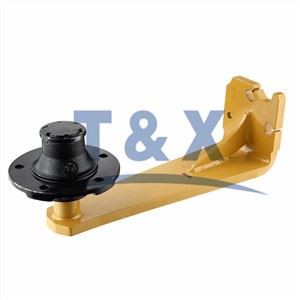

Proper installation of ductile iron parts is crucial for ensuring their optimal performance and longevity. As a trusted ductile iron parts supplier, I understand the significance of guiding our customers through the installation process. In this blog, I will share detailed steps and essential tips on how to install ductile iron parts properly.
Pre - installation Preparation
Before you start the installation, it is essential to conduct a thorough inspection of the ductile iron parts. Check for any visible damage such as cracks, chips, or surface irregularities. Even minor damage can compromise the functionality of the part over time. For instance, a small crack in a ductile iron pipe can lead to leaks and structural instability.
Measure the dimensions of the parts precisely. This step is vital to ensure that the parts fit correctly into the intended application. If you are installing a ductile iron valve, for example, make sure its diameter and connection size match the pipeline system. Any dimensional mismatch can result in improper sealing and reduced efficiency.
Clean the installation area. Remove any dirt, debris, or rust from the surfaces where the ductile iron parts will be installed. A clean surface promotes better adhesion and a more secure fit. For parts that will be welded or bolted, a clean surface also enhances the strength of the connection.
Installation of Ductile Iron Pipes
When installing ductile iron pipes, the first step is to prepare the joints. Most ductile iron pipes use push - on joints, which are designed for easy installation. Apply a suitable lubricant to the gasket and the spigot end of the pipe. This lubricant reduces friction during the joining process and helps create a tight seal.
Align the pipes carefully. Use alignment tools if necessary to ensure that the pipes are in a straight line. Misaligned pipes can cause stress concentration at the joints, leading to premature failure. Once the pipes are aligned, insert the spigot end of one pipe into the bell end of the adjacent pipe. Push the pipes together firmly until the spigot reaches the stop in the bell.
Check the joint for proper seating. You can use a feeler gauge to measure the gap between the spigot and the bell. If the gap is within the specified tolerance, the joint is properly seated. After installation, test the pipeline system for leaks. Pressurize the system gradually and check all the joints for any signs of leakage.

Installation of Ductile Iron Fittings
Ductile iron fittings such as elbows, tees, and reducers play a crucial role in changing the direction or size of a pipeline system. When installing these fittings, follow the same principles as for pipes. Clean the mating surfaces and apply lubricant to the gaskets.
For fittings that require bolting, use the correct torque values. Over - tightening the bolts can damage the gasket and the fitting, while under - tightening can result in leaks. Refer to the manufacturer's specifications for the recommended torque values. Use a torque wrench to ensure accurate tightening.
When installing a ductile iron elbow, for example, make sure it is oriented correctly in the pipeline system. Incorrect orientation can cause flow disturbances and increase pressure drop. After installation, support the fittings properly to prevent sagging or movement.
Installation of Ductile Iron Machinery Parts
In industrial machinery, ductile iron parts are often used due to their high strength and wear resistance. When installing these parts, ensure proper alignment with other components. For example, if you are installing a ductile iron gear, make sure it meshes correctly with the mating gear. Incorrect meshing can lead to excessive noise, vibration, and premature wear.
Use appropriate fasteners for securing the parts. Select fasteners that are compatible with the ductile iron material and can withstand the operating loads. Follow the recommended installation procedures for the fasteners, such as tightening sequence and torque values.
Lubricate the moving parts as required. Ductile iron parts in machinery may require lubrication to reduce friction and prevent wear. Use the recommended lubricant type and apply it in the correct quantity.
Importance of Following Manufacturer's Instructions
Each ductile iron part is designed with specific installation requirements. It is essential to follow the manufacturer's instructions carefully. These instructions provide detailed information on the installation process, including the use of special tools, lubricants, and torque values.
Ignoring the manufacturer's instructions can lead to installation errors, which may void the warranty of the parts. Moreover, improper installation can result in safety hazards and costly repairs in the future.
Maintenance after Installation
After installing ductile iron parts, regular maintenance is necessary to ensure their long - term performance. Inspect the parts periodically for signs of wear, corrosion, or damage. Check the joints, fasteners, and seals for any looseness or leakage.
Clean the parts as needed to remove dirt and debris. For parts exposed to harsh environments, consider applying protective coatings to prevent corrosion.
If you encounter any issues during the installation or maintenance process, do not hesitate to contact us. As a ductile iron parts supplier, we have a team of experts who can provide you with technical support and guidance.
Link to Related Product
If you are interested in our Grey Iron Or Ductile Iron Disc Harrow Spool, you can find more information Grey Iron Or Ductile Iron Disc Harrow Spool.
Conclusion
Proper installation of ductile iron parts is a multi - step process that requires careful preparation, precise alignment, and adherence to manufacturer's instructions. By following the steps and tips outlined in this blog, you can ensure that your ductile iron parts are installed correctly and perform optimally. If you have any questions or need to purchase ductile iron parts for your project, feel free to contact us for further discussion. We are committed to providing high - quality products and excellent service to meet your needs.
References
- "Ductile Iron Pipe Installation Guide", Ductile Iron Pipe Research Association.
- "Industrial Machinery Installation and Maintenance Handbook", McGraw - Hill.