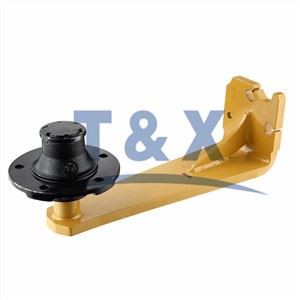

Preparing investment material for lost wax casting parts is a meticulous process that requires a comprehensive understanding of the materials, techniques, and the specific requirements of the parts being produced. As a supplier of Lost Wax Casting Parts, I have gained extensive experience in this field. In this blog, I will share the key steps and considerations for preparing investment material for lost wax casting.
Understanding the Basics of Lost Wax Casting
Lost wax casting, also known as investment casting, is a manufacturing process in which a wax pattern is created, coated with a refractory investment material, and then heated to melt the wax, leaving a cavity in the shape of the pattern. Molten metal is then poured into the cavity to create the final part. The quality of the investment material plays a crucial role in the success of the casting process, as it affects the surface finish, dimensional accuracy, and mechanical properties of the cast parts.
Selecting the Right Investment Material
The first step in preparing investment material is to select the appropriate type of material for the specific application. There are several factors to consider when choosing an investment material, including the melting point of the metal being cast, the complexity of the part, and the desired surface finish.
- Silica-based Investments: These are the most commonly used investment materials for lost wax casting. They are suitable for casting a wide range of metals, including aluminum, brass, and stainless steel. Silica-based investments offer good dimensional accuracy and surface finish, and they are relatively inexpensive.
- Zircon-based Investments: Zircon is a high-temperature refractory material that is often used for casting high-melting-point metals, such as titanium and nickel alloys. Zircon-based investments provide excellent thermal stability and resistance to metal penetration, resulting in high-quality castings with minimal surface defects.
- Alumina-based Investments: Alumina is another high-temperature refractory material that is commonly used for casting ferrous metals, such as steel and iron. Alumina-based investments offer good mechanical strength and resistance to thermal shock, making them suitable for casting large and complex parts.
Preparing the Investment Material
Once the appropriate investment material has been selected, the next step is to prepare it for use. The preparation process typically involves the following steps:

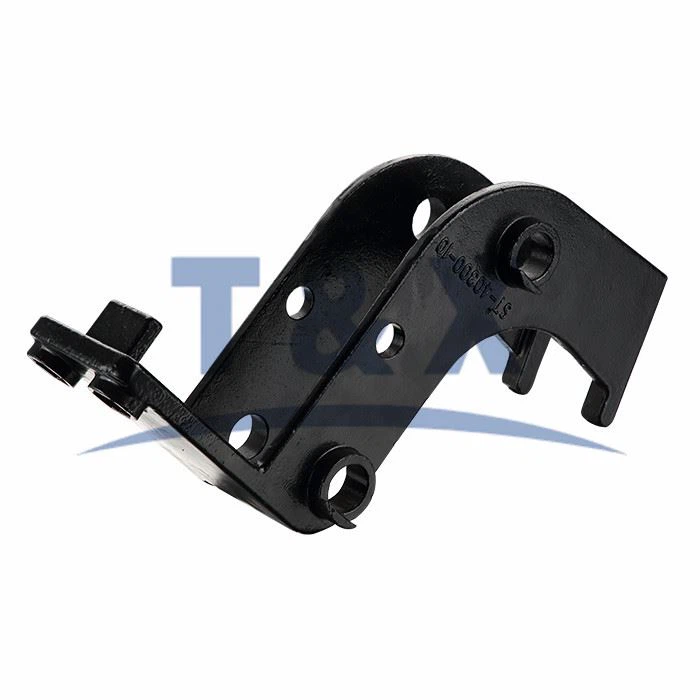
- Mixing: The investment material is usually supplied in a powder form and must be mixed with a liquid binder, such as water or a special investment liquid, to form a slurry. The mixing ratio and the mixing time are critical factors that affect the viscosity and consistency of the slurry. It is important to follow the manufacturer's instructions carefully to ensure a proper mix.
- Degassing: After mixing, the slurry may contain air bubbles that can cause defects in the castings. To remove these air bubbles, the slurry is typically degassed using a vacuum chamber or a vibrating table. Degassing helps to improve the density and uniformity of the investment material, resulting in better-quality castings.
- Molding: Once the slurry has been degassed, it is ready to be poured into the mold. The mold is typically made of a heat-resistant material, such as ceramic or plaster, and it is designed to hold the wax pattern in place during the casting process. The slurry is poured slowly and carefully into the mold to ensure that it fills all the cavities and details of the wax pattern.
Applying the Investment Material
After the investment material has been prepared, it is time to apply it to the wax pattern. There are several methods for applying the investment material, including dipping, spraying, and brushing.
- Dipping: This is the most common method for applying the investment material. The wax pattern is dipped into the slurry and then removed, allowing the excess slurry to drip off. The pattern is then allowed to dry for a short period of time before repeating the dipping process several times to build up a thick layer of investment material.
- Spraying: Spraying is a faster method for applying the investment material, but it may not be suitable for complex parts or parts with fine details. The slurry is sprayed onto the wax pattern using a spray gun, and the pattern is rotated to ensure that the investment material is evenly distributed.
- Brushing: Brushing is a more precise method for applying the investment material, but it is also more time-consuming. The slurry is brushed onto the wax pattern using a brush, and the pattern is carefully coated to ensure that all the details are covered.
Curing and Firing the Investment Material
After the investment material has been applied to the wax pattern, it must be cured and fired to remove the wax and harden the investment material. The curing and firing process typically involves the following steps:
- Curing: The investment material is allowed to dry and harden at room temperature for a period of time, usually several hours or overnight. This allows the binder in the investment material to set and the investment material to form a solid shell around the wax pattern.
- Firing: Once the investment material has been cured, it is placed in a furnace and heated to a high temperature to melt the wax and burn off any organic materials in the investment material. The firing temperature and the firing time depend on the type of investment material and the metal being cast. It is important to follow the manufacturer's instructions carefully to ensure a proper firing process.
Quality Control and Inspection
After the investment material has been cured and fired, the castings are removed from the mold and inspected for quality. The inspection process typically involves the following steps:
- Visual Inspection: The castings are visually inspected for any surface defects, such as cracks, porosity, or incomplete filling. Any defects that are found are marked and repaired before the castings are further processed.
- Dimensional Inspection: The castings are measured using precision measuring tools, such as calipers and micrometers, to ensure that they meet the specified dimensional requirements. Any deviations from the specifications are noted and corrected if necessary.
- Non-destructive Testing: Non-destructive testing methods, such as X-ray inspection and ultrasonic testing, may be used to detect any internal defects in the castings. These methods are particularly useful for detecting defects that are not visible on the surface of the castings.
Conclusion
Preparing investment material for lost wax casting parts is a complex and challenging process that requires a high level of skill and expertise. By following the steps and considerations outlined in this blog, you can ensure that your investment material is properly prepared and applied, resulting in high-quality castings that meet your specific requirements.
If you are interested in purchasing high-quality Lost Wax Casting Parts, we offer a wide range of products, including Trailer Connector Parts, Cast Flail Cutter, and Steel Wear Parts. Our team of experts is always ready to assist you with your specific needs and requirements. Contact us today to start a procurement negotiation and take advantage of our high-quality products and services.
References
- Campbell, J. (2003). Castings. Butterworth-Heinemann.
- Flemings, M. C. (1974). Solidification Processing. McGraw-Hill.
- Piwonka, T. S., & Dantzig, J. A. (1984). Casting Processes and Quality Control. Marcel Dekker.