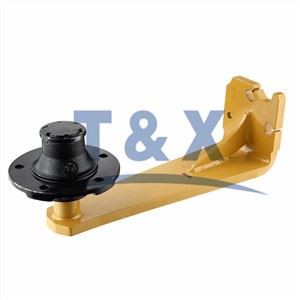

Hey there! I'm a supplier of flange parts, and I know how crucial it is to transport these parts safely. Flange parts are used in a wide range of industries, from oil and gas to construction, and any damage during transportation can lead to costly delays and repairs. So, in this blog post, I'm gonna share some tips on how to transport flange parts safely.


1. Packaging is Key
First things first, proper packaging is essential for protecting flange parts during transit. I always recommend using high - quality packaging materials. For smaller flange parts, you can use sturdy cardboard boxes with plenty of cushioning material inside, like bubble wrap or foam inserts. This helps absorb any shocks or vibrations that might occur during transportation.
For larger flange parts, wooden crates are a great option. They provide more structural support and can withstand a fair amount of rough handling. Make sure the crate is well - built, with strong corners and edges. You can also line the inside of the crate with padding to further protect the flange parts.
When packing the flange parts, be careful to arrange them in a way that minimizes movement. You can use straps or ties to secure the parts in place within the packaging. This reduces the risk of them knocking against each other or the sides of the container, which could cause scratches or dents.
2. Choose the Right Transportation Method
The choice of transportation method depends on several factors, such as the size and weight of the flange parts, the distance of the shipment, and the urgency of delivery.
If you're shipping flange parts locally, a flatbed truck might be a good option. It allows for easy loading and unloading, and you can secure the parts directly onto the truck bed using chains or straps. Just make sure the truck has a clean and smooth surface to prevent any damage to the parts.
For longer distances or international shipments, shipping containers are often used. They offer better protection against the elements and can be easily transferred between different modes of transportation, like trucks, trains, and ships. When using shipping containers, ensure that the parts are properly secured inside to prevent shifting during transit.
Air freight is another option, especially if you need to deliver the flange parts quickly. However, it can be more expensive, and there are usually strict weight and size restrictions. But if time is of the essence, it might be worth considering.
3. Labeling and Documentation
Proper labeling of the packages is very important. Clearly mark the packages as "Fragile" and indicate the orientation of the flange parts. This helps the handlers know how to handle the packages correctly. You can also include your contact information on the label in case there are any issues during transportation.
In addition to labeling, accurate documentation is crucial. Make sure you have all the necessary shipping documents, such as the bill of lading, packing list, and any customs documents if it's an international shipment. These documents provide important information about the contents of the shipment, its value, and its destination.
4. Handling and Loading
During the handling and loading process, it's important to use the right equipment. For example, when lifting flange parts, use cranes or forklifts that are rated for the weight of the parts. Make sure the lifting equipment is in good working condition and that the operators are properly trained.
When loading the parts onto the transportation vehicle, be careful not to stack them too high or in an unstable way. Uneven stacking can cause the parts to tip over and get damaged. If possible, load the parts in a way that allows for easy access during unloading.
5. Insurance
Even if you take all the necessary precautions, there's always a risk of something going wrong during transportation. That's why it's a good idea to get insurance for your flange parts. Insurance can provide financial protection in case the parts are damaged, lost, or stolen during transit.
When choosing an insurance policy, make sure you understand the terms and conditions. Look for a policy that covers the full value of the flange parts and includes coverage for all the potential risks associated with transportation.
Related Products
If you're in the market for other OEM metal parts, we also offer some great products. Check out our Trailer Wheel Hubs Cast Hub, Graphite Self - lubricating Copper Sleeve, and Machined Pins Construction Machinery Parts. These parts are made with high - quality materials and precision machining to ensure optimal performance.
Contact for Purchase
If you're interested in our flange parts or any of our other products, I'd love to hear from you. Whether you have questions about transportation, want to get a quote, or are ready to place an order, don't hesitate to reach out. We're committed to providing high - quality products and excellent customer service.
References
- International Maritime Organization. (2023). Guidelines for the Safe Transport of Goods in Containers.
- Federal Motor Carrier Safety Administration. (2023). Rules and Regulations for the Transportation of Goods.
- Packaging Machinery Manufacturers Institute. (2023). Best Practices for Packaging Fragile Goods.