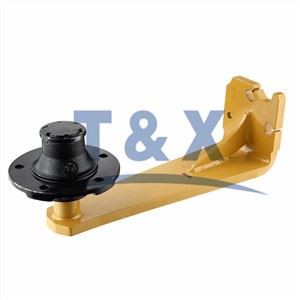

Hey there! As a supplier of machining parts, I've seen firsthand the incredible benefits of using a milling machine for machining parts. In this blog, I'm gonna break down all the advantages that come with using this powerful tool.
Precision and Accuracy
One of the biggest perks of using a milling machine is the precision it offers. When you're machining parts, especially ones that need to fit together perfectly, accuracy is key. Milling machines are designed to cut and shape materials with extremely high precision. They can achieve tolerances as tight as a few thousandths of an inch. This means that the parts you produce will be consistent in size and shape, which is crucial for things like Flange Parts. Flanges need to fit precisely with other components, and a milling machine can ensure that each flange meets the exact specifications required.
The ability to program modern milling machines also adds to their precision. You can input detailed instructions into the machine's computer system, and it will follow them to the letter. This reduces the chances of human error, which can be a big problem when machining parts by hand. Whether you're making a small batch of custom parts or a large production run, the precision of a milling machine guarantees that every part will be of the highest quality.
Versatility
Milling machines are incredibly versatile. They can work with a wide range of materials, including metals like aluminum, steel, and brass, as well as plastics and wood. This means that as a machining parts supplier, I can offer my customers a diverse selection of products. For example, I can use the milling machine to create Trailer Wheel Forged Hub Housing With Bearings & Races from high - strength steel, or I can make custom plastic parts for a specific application.
In addition to working with different materials, milling machines can perform various operations. They can cut, drill, bore, and even create complex 3D shapes. This versatility allows me to take on a wide variety of projects. Whether a customer needs a simple flat surface milled or a highly detailed, intricate part, the milling machine can handle it. It's like having a multi - tool in the machining world.
Efficiency
When it comes to production, efficiency is everything. Milling machines are designed to be fast and productive. They can remove material quickly, which means that the machining process takes less time compared to other methods. This is especially important when dealing with large production runs. For instance, if I'm making a lot of Precision Machining Drive Shaft, the milling machine can produce them in a relatively short period.
Modern milling machines also have features that enhance efficiency. For example, some machines have automatic tool changers. This means that the machine can switch between different cutting tools without any manual intervention. As a result, the machining process can continue uninterrupted, saving a significant amount of time. Additionally, the ability to program the machine allows for continuous operation. Once the program is set up, the machine can run for hours, producing parts without constant supervision.


Surface Finish
The surface finish of a machined part is often just as important as its dimensions. A good surface finish can improve the part's appearance, reduce friction, and increase its durability. Milling machines are capable of producing excellent surface finishes. The cutting tools on a milling machine are designed to leave a smooth surface on the material. By adjusting the cutting parameters such as the feed rate and the speed of the cutter, I can control the quality of the surface finish.
For parts that are visible or have to interact with other components, a high - quality surface finish is essential. For example, in the case of flange parts, a smooth surface finish ensures a better seal and reduces the risk of leaks. The milling machine's ability to produce a consistent and smooth surface finish is a huge advantage for a machining parts supplier like me.
Cost - Effectiveness
In the long run, using a milling machine can be very cost - effective. While the initial investment in a milling machine can be significant, the savings in the production process make up for it. The high precision and efficiency of the milling machine mean that there is less waste material. Since the parts are produced accurately the first time, there is less need for rework or scrap. This reduces the overall cost of production.
Moreover, the versatility of the milling machine means that I don't need to invest in multiple specialized machines for different operations. One milling machine can perform a variety of tasks, which saves on equipment costs and the space required to house the machinery. As a result, I can offer my customers competitive prices for high - quality machining parts.
Flexibility in Design
Another great advantage of using a milling machine is the flexibility it offers in design. With modern CAD/CAM software, I can create complex part designs and then transfer them directly to the milling machine. This allows me to quickly produce prototypes and make changes to the design as needed. Whether a customer has a new idea for a product or needs to modify an existing part, the milling machine can adapt to the design requirements.
This flexibility in design also enables me to offer custom - made parts. I can work closely with customers to understand their specific needs and then use the milling machine to bring their ideas to life. It's a great way to provide a personalized service and meet the unique requirements of each customer.
Safety
Safety is a top priority in any machining operation. Milling machines are designed with a number of safety features. For example, they often have enclosures that prevent operators from coming into contact with the moving parts. There are also safety interlocks that stop the machine if something goes wrong. Additionally, the use of computer - controlled milling machines reduces the need for operators to be in close proximity to the cutting tools during operation.
These safety features not only protect the operators but also reduce the risk of damage to the machine and the parts being produced. As a machining parts supplier, I can ensure a safe working environment for my employees, which is essential for the long - term success of my business.
Conclusion
In conclusion, the advantages of using a milling machine for machining parts are numerous. From precision and versatility to efficiency and cost - effectiveness, it's clear that a milling machine is an invaluable tool for a machining parts supplier like me. Whether you're in the market for Flange Parts, Trailer Wheel Forged Hub Housing With Bearings & Races, Precision Machining Drive Shaft, or any other custom - made machining parts, I can use the milling machine to meet your needs.
If you're interested in our machining parts or have any questions about the process, I'd love to hear from you. Contact me to discuss your requirements and let's start a great business relationship.
References
- Smith, J. (2020). "Advanced Machining Technologies". Publisher: TechBooks.
- Johnson, A. (2019). "The Art of Milling". Publisher: Machining Press.