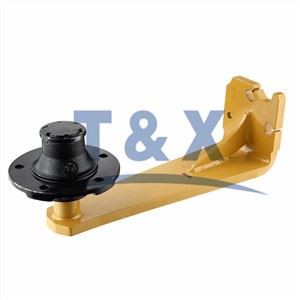

Hey there! I'm a supplier of hub axles, and over the years, I've seen my fair share of issues with these crucial components. Hub axles play a vital role in various vehicles, from cars and trucks to trailers. They're responsible for supporting the weight of the vehicle and transferring power from the engine to the wheels. But like any mechanical part, they're prone to a few common problems. In this blog, I'll walk you through some of these issues and give you a better understanding of what to look out for.
1. Bearing Wear and Tear
One of the most frequent problems with hub axles is bearing wear. The bearings in a hub axle are designed to allow smooth rotation of the wheel. Over time, though, they can start to wear down due to factors like heavy loads, rough roads, and lack of proper lubrication.
When bearings start to wear, you might notice a grinding or humming noise coming from the wheels. This is a clear sign that the bearings are no longer functioning as they should. If left unchecked, worn bearings can lead to more serious problems, such as wheel misalignment and even wheel detachment in extreme cases.
To prevent bearing wear, regular maintenance is key. This includes checking the bearing lubrication levels and replacing the bearings at the recommended intervals. Using high - quality bearings can also significantly extend their lifespan. And if you're looking for some related parts, the Graphite Self - lubricating Copper Sleeve can be a great addition to your hub axle system, as it provides self - lubrication and reduces friction.
2. Corrosion
Corrosion is another major headache for hub axles. Hub axles are often exposed to harsh environmental conditions, such as water, salt, and dirt. These elements can cause the metal components of the hub axle to rust and corrode over time.
Corrosion weakens the structural integrity of the hub axle. It can lead to cracks and fractures, which can compromise the safety of the vehicle. You might notice rust spots on the surface of the hub axle or around the wheel mounting area. In some cases, corrosion can also affect the seals, allowing dirt and water to enter the bearing housing and cause further damage.


To combat corrosion, it's important to keep the hub axles clean and dry. Applying a protective coating can also help prevent rust from forming. If you're dealing with trailers, the Trailer Wheel Stamping Hub Housing is designed to be more resistant to corrosion, as it's made with materials that can withstand the elements better.
3. Misalignment
Hub axle misalignment is a problem that can cause uneven tire wear and poor vehicle handling. Misalignment can occur due to a variety of reasons, such as hitting a pothole, an accident, or improper installation.
When the hub axle is misaligned, the tires will not roll straight. This can lead to increased tire wear on one side, which means you'll have to replace your tires more frequently. You might also notice that the vehicle pulls to one side while driving, or the steering wheel vibrates.
To fix misalignment, you'll need to have the hub axle realigned by a professional. Regular wheel alignment checks can help catch misalignment issues early on. And for a more precise and reliable hub axle system, consider using a Precision Machining Drive Shaft, which is engineered to ensure accurate power transfer and alignment.
4. Seal Failure
The seals in a hub axle are responsible for keeping the lubricant in and dirt and water out. However, these seals can fail over time due to age, heat, and exposure to contaminants.
When a seal fails, the lubricant can leak out, leaving the bearings without proper lubrication. This can accelerate bearing wear and lead to other problems. You might notice grease on the inside of the wheel or around the hub axle area, which is a sign of a seal failure.
Replacing the seals as soon as you notice a problem is essential. Using high - quality seals can also reduce the risk of failure. And during the replacement process, make sure to clean the area thoroughly to prevent any dirt from getting into the bearing housing.
5. Overloading
Overloading the vehicle is a common mistake that can put a lot of stress on the hub axles. Each hub axle is designed to handle a specific weight capacity. When you exceed this capacity, the hub axle has to work harder, which can lead to premature wear and damage.
Overloading can cause the bearings to overheat and wear out faster. It can also increase the risk of axle breakage. If you frequently carry heavy loads, it's important to know the weight capacity of your vehicle's hub axles and stay within the limits. Consider upgrading to heavier - duty hub axles if you need to carry more weight on a regular basis.
Conclusion
As you can see, hub axles are subject to a variety of problems, but most of them can be prevented with proper maintenance and care. By being aware of these common issues, you can take proactive steps to keep your hub axles in good working condition.
If you're in the market for high - quality hub axles or related parts, I'm here to help. Whether you need a new set of bearings, a corrosion - resistant hub housing, or a precision drive shaft, I can provide you with the products you need. Don't hesitate to reach out for a purchase negotiation. We can discuss your specific requirements and find the best solutions for your vehicles.
References
- Automotive Maintenance Manuals
- Industry Reports on Hub Axle Performance
- Manufacturer's Specifications for Hub Axles and Related Parts