
As a seasoned supplier of Die Casting Parts, I've had the privilege of working with a diverse range of materials in the die casting process. One of the critical factors that significantly impacts the quality and precision of die casting parts is the shrinkage rate of the materials used. Understanding these shrinkage rates is essential for producing high - quality parts that meet the exact specifications of our clients. In this blog, I'll delve into the shrinkage rates of different materials commonly used in die casting.
Zinc Die Casting Parts
Zinc is a popular material in the die casting industry, and Zinc Die Casting Parts are known for their excellent dimensional stability, high strength - to - weight ratio, and superior surface finish. When it comes to shrinkage, zinc has a relatively low shrinkage rate.
The shrinkage rate of zinc alloys typically ranges from about 0.6% to 0.8%. This relatively low shrinkage is due to the unique physical properties of zinc. Zinc has a relatively low melting point, which means that during the die casting process, it cools and solidifies relatively quickly. The fast cooling process reduces the amount of time for the material to contract, resulting in a lower shrinkage rate.
The low shrinkage rate of zinc makes it an ideal choice for producing parts with tight tolerances. For example, in the production of small, intricate components such as those used in the electronics industry, the ability to maintain precise dimensions is crucial. Zinc die casting allows us to achieve these tight tolerances with a high degree of accuracy, ensuring that the parts fit perfectly into the final assembly.
Aluminum Die Casting Parts
Aluminum is another widely used material in die casting, and Aluminum Die Casting Parts are valued for their lightweight, high strength, and good corrosion resistance. However, aluminum has a higher shrinkage rate compared to zinc.
The shrinkage rate of aluminum alloys generally falls between 1.1% and 1.3%. The higher shrinkage rate of aluminum can be attributed to its higher melting point and the way it solidifies. Aluminum takes longer to cool and solidify during the die casting process, which gives the material more time to contract. Additionally, the crystal structure of aluminum that forms during solidification also contributes to the higher shrinkage.
Despite the higher shrinkage rate, aluminum die casting is still a popular choice for many applications. In the automotive industry, for instance, the lightweight nature of aluminum parts helps to improve fuel efficiency. To compensate for the higher shrinkage, we use advanced die design techniques. By incorporating features such as draft angles and proper gating systems in the die design, we can control the flow of the molten aluminum and minimize the impact of shrinkage on the final part dimensions.
Magnesium Die Casting Parts
Magnesium is the lightest of the common die - casting metals, making it an attractive option for applications where weight reduction is a priority, such as in the aerospace and automotive industries. However, magnesium also has a relatively high shrinkage rate.
The shrinkage rate of magnesium alloys is typically around 1.2% to 1.4%. Similar to aluminum, the high melting point of magnesium and its solidification behavior contribute to this shrinkage rate. Magnesium has a high reactivity with oxygen, which means that special precautions need to be taken during the die casting process to prevent oxidation.
To manage the shrinkage of magnesium parts, we carefully control the cooling rate of the molten magnesium. By using controlled cooling techniques, we can slow down the solidification process in a more controlled manner, reducing the internal stresses that cause shrinkage. This helps us to produce magnesium die casting parts with accurate dimensions.
Copper - based Die Casting Parts
Copper - based alloys are known for their high electrical and thermal conductivity, as well as their excellent corrosion resistance. However, they also have a significant shrinkage rate.
The shrinkage rate of copper - based alloys can range from 1.4% to 1.6%. Copper has a relatively high melting point and a complex solidification process. During solidification, copper forms different phases, which can cause uneven shrinkage.
To deal with the shrinkage of copper - based die casting parts, we use a combination of die design optimization and heat treatment. The die design is adjusted to allow for the expected shrinkage, and heat treatment is used to relieve internal stresses and improve the dimensional stability of the parts.
Factors Affecting Shrinkage Rates
Apart from the material itself, several other factors can affect the shrinkage rates of die casting parts.
Die Design
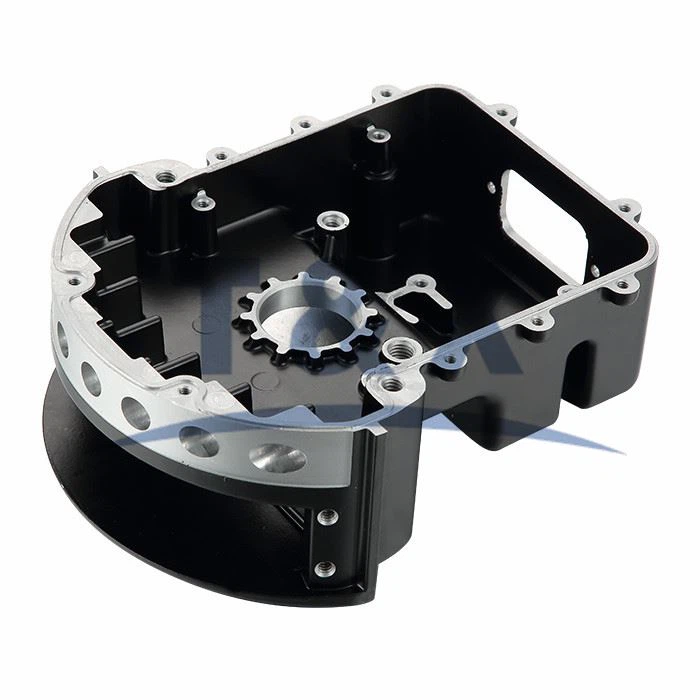
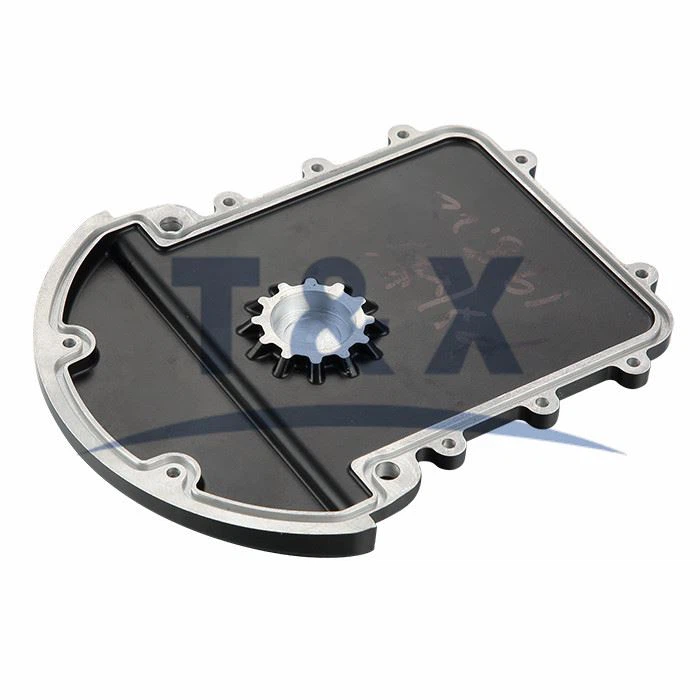
The design of the die plays a crucial role in controlling shrinkage. A well - designed die with proper gating and venting systems can ensure a uniform flow of the molten material, reducing the chances of uneven cooling and shrinkage. Draft angles in the die also help in the ejection of the part and can minimize the impact of shrinkage on the part's shape.
Cooling Rate
The cooling rate of the molten material has a direct impact on shrinkage. A faster cooling rate generally leads to less shrinkage, as the material has less time to contract. However, if the cooling rate is too fast, it can cause internal stresses and cracking in the part. Therefore, we need to find the optimal cooling rate for each material.
Alloy Composition
The composition of the alloy can also affect the shrinkage rate. Minor changes in the alloying elements can alter the physical properties of the material, including its shrinkage behavior. For example, adding certain elements to an aluminum alloy can reduce its shrinkage rate.
Conclusion
Understanding the shrinkage rates of different materials is fundamental in the die casting process. As a supplier of Die Casting Parts, we take great care in selecting the appropriate material based on the specific requirements of the part, such as dimensional accuracy, strength, and weight. We also use advanced techniques in die design, cooling control, and alloy selection to manage the shrinkage and produce high - quality parts.
If you are in need of high - precision die casting parts and are interested in learning more about how we can meet your specific needs, I encourage you to reach out for a procurement discussion. We have the expertise and experience to provide you with the best solutions for your die casting requirements.
References
- "Die Casting Handbook" by J. Campbell
- "Materials Science and Engineering: An Introduction" by W. D. Callister Jr. and D. G. Rethwisch
- Industry research reports on die casting materials and processes.