
When it comes to the industrial world, steel wear parts play a crucial role in ensuring the smooth operation of various machinery and equipment. As a supplier of steel wear parts, I've witnessed firsthand the significance of these components and the factors that contribute to their cost. In this blog, I'll delve into the various elements that determine the cost of steel wear parts and provide insights for those looking to make informed purchasing decisions.
Understanding the Basics of Steel Wear Parts
Steel wear parts are designed to withstand friction, abrasion, and impact in demanding industrial environments. They are used in a wide range of applications, including mining, construction, agriculture, and manufacturing. These parts are typically made from high - quality steel alloys that offer excellent hardness, toughness, and wear resistance.
The manufacturing process of steel wear parts is complex and involves several stages. First, the appropriate steel alloy is selected based on the specific requirements of the part. Then, the steel is melted and cast into the desired shape. This can be done through various casting methods, such as sand casting, investment casting (also known as lost - wax casting), or die casting. After casting, the parts undergo machining operations to achieve the required dimensions and surface finish. Finally, they may be heat - treated to enhance their mechanical properties.
Factors Affecting the Cost of Steel Wear Parts
1. Material Costs
The type of steel alloy used is one of the primary factors influencing the cost of wear parts. Different steel alloys have different compositions and properties, and some are more expensive than others. For example, high - chromium steels are known for their excellent abrasion resistance and are often used in applications where parts are exposed to severe wear. However, these steels are relatively costly due to the high price of chromium.
In addition to the base alloy, the purity of the steel also affects the cost. High - purity steels with fewer impurities offer better performance but are more expensive to produce. Suppliers need to balance the cost of the material with the performance requirements of the wear parts.
2. Manufacturing Process
As mentioned earlier, the manufacturing process of steel wear parts is multi - step and can be quite complex. The choice of casting method has a significant impact on the cost. Sand casting is a relatively inexpensive method and is suitable for large - scale production of parts with simple geometries. On the other hand, investment casting, such as the process used to create Precision Cast Trailer Connector, allows for the production of parts with high precision and complex shapes but is more expensive due to the labor - intensive nature of the process and the cost of materials used in the lost - wax process.
Machining operations also contribute to the cost. Parts that require extensive machining, such as those with tight tolerances or complex surface features, will be more expensive. The type of machining equipment used, the cutting tools, and the machining time all add to the overall cost.
3. Design Complexity
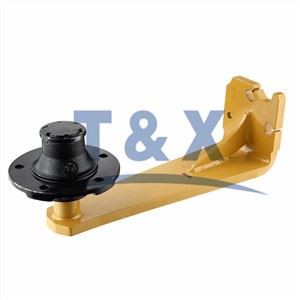
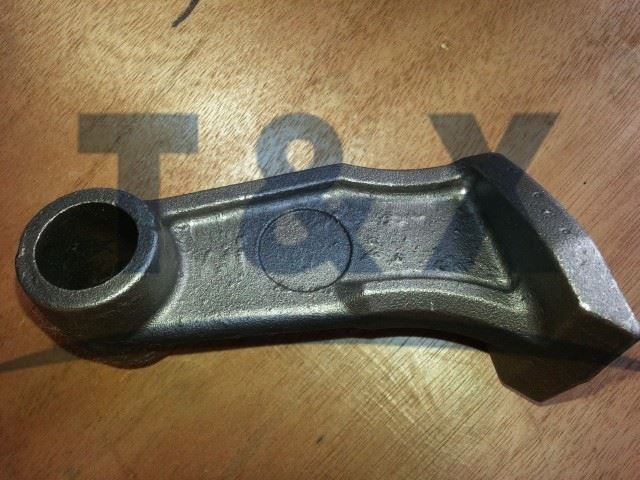
The design of the wear part itself can greatly affect its cost. Parts with complex geometries, such as Cast Flail Cutter or Lost Wax Casting Cross Bit & Lost Bit, are more difficult to manufacture. They may require special tooling, longer production times, and more skilled labor. Additionally, complex designs may result in more material waste during the manufacturing process, which further increases the cost.
4. Quantity and Volume
Economies of scale play a significant role in the cost of steel wear parts. Generally, the larger the order quantity, the lower the per - unit cost. This is because fixed costs, such as tooling and setup costs, can be spread over a larger number of parts. For small - quantity orders, the per - unit cost will be higher as these fixed costs have a greater impact on the overall cost.
5. Quality and Performance Requirements
The quality and performance requirements of the wear parts also influence the cost. Parts that need to meet strict industry standards or have specific performance characteristics, such as high fatigue resistance or corrosion resistance, will require additional processing steps and quality control measures. This includes heat treatment, surface coating, and rigorous testing, all of which add to the cost.
Cost - Benefit Analysis
When considering the cost of steel wear parts, it's important to conduct a cost - benefit analysis. While it may be tempting to choose the cheapest option available, it's essential to consider the long - term performance and durability of the parts. A lower - cost part may wear out more quickly, leading to more frequent replacements, increased downtime, and higher overall costs in the long run.

On the other hand, investing in high - quality wear parts can result in significant savings over time. These parts are more likely to withstand the harsh operating conditions, reduce maintenance requirements, and improve the efficiency of the machinery. For example, a high - quality steel wear part in a mining equipment can operate for a longer period without failure, reducing the need for costly repairs and downtime.
How to Optimize the Cost of Steel Wear Parts
1. Partner with a Reliable Supplier
Working with a reliable and experienced supplier is crucial. A good supplier can help you select the most appropriate steel alloy and manufacturing process based on your specific requirements. They can also offer cost - saving suggestions without compromising on the quality of the parts. As a steel wear parts supplier, I always strive to provide my customers with the best value for their money by offering high - quality products at competitive prices.
2. Optimize the Design
Collaborate with the supplier to optimize the design of the wear parts. This can involve simplifying the geometry to reduce manufacturing complexity and material waste. By working together, you can find a balance between the performance requirements and the cost of the parts.
3. Plan Your Orders Wisely
If possible, plan your orders in larger quantities to take advantage of economies of scale. However, make sure to consider your inventory management and storage costs. You can also work with your supplier to develop a long - term supply plan to ensure a stable supply of parts at a reasonable cost.
Conclusion
The cost of steel wear parts is determined by a variety of factors, including material costs, manufacturing processes, design complexity, quantity, and quality requirements. As a supplier, I understand the importance of providing high - quality wear parts at a competitive price. By considering all these factors and conducting a cost - benefit analysis, you can make informed decisions when purchasing steel wear parts.
If you're in the market for steel wear parts and want to discuss your specific requirements, I'd be more than happy to assist you. Whether it's for a small - scale project or a large - scale industrial application, we can work together to find the best solutions for your needs. Contact us to start a conversation about your steel wear parts procurement.
References
- ASM Handbook Volume 1: Properties and Selection: Irons, Steels, and High - Performance Alloys. ASM International.
- Manufacturing Engineering and Technology by S. Kalpakjian and S. R Schmid. Pearson Education.