
Hey there! I'm a supplier of steel wear parts, and I often get asked by customers, "How do I ensure the compatibility of steel wear parts with my equipment?" Well, that's a great question, and I'm here to share some insights based on my experience in the industry.
First off, let's understand why compatibility is so crucial. Using incompatible steel wear parts can lead to a whole bunch of problems. It might cause premature wear and tear of the parts themselves, reduce the efficiency of your equipment, and even pose safety risks. So, getting it right from the start is super important.
Understanding Your Equipment
The very first step in ensuring compatibility is to have a deep understanding of your equipment. You need to know the specifications, the operating conditions, and the performance requirements of your machinery. For example, if it's a high - speed machine, you'll need steel wear parts that can withstand high - speed impacts and friction. On the other hand, if the equipment operates in a corrosive environment, you'll want parts made from corrosion - resistant steel.
Take a look at the manufacturer's manual of your equipment. It usually contains detailed information about the recommended materials and specifications for wear parts. If you don't have the manual, you can also contact the equipment manufacturer directly. They can provide you with accurate information about what kind of steel wear parts will work best with your machine.
Material Selection
Once you have a clear understanding of your equipment, it's time to focus on material selection. There are various types of steel used for wear parts, each with its own unique properties.
One popular option is 42CrMo alloy steel. This type of steel is known for its high strength, good toughness, and excellent hardenability. It can handle heavy loads and high - stress applications. If you're in the market for a harden fishtail bit, 42CrMo Alloy Steel Harden Fishtail Bit made from 42CrMo alloy steel could be a great choice. It's designed to provide long - lasting performance even in tough working conditions.
Another important factor to consider is the heat treatment of the steel. Proper heat treatment can significantly improve the hardness, strength, and wear resistance of the parts. For example, quenching and tempering can enhance the mechanical properties of the steel, making it more suitable for high - wear applications.
Design and Fit
The design and fit of the steel wear parts are also critical for compatibility. The parts should be designed to match the exact dimensions and shape of the corresponding components in your equipment. A poor fit can lead to misalignment, which can cause uneven wear and reduced performance.
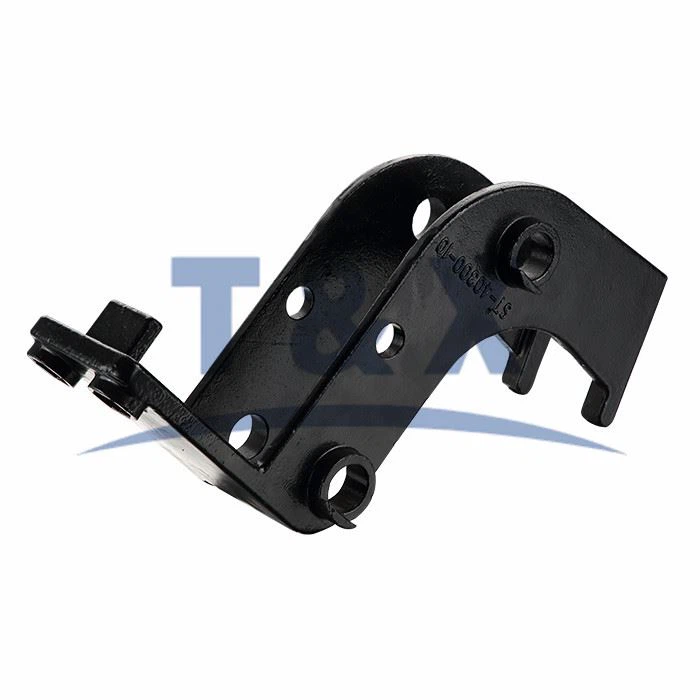
When it comes to custom - made parts, make sure to provide accurate drawings and specifications to the supplier. At our company, we use advanced manufacturing techniques like lost - wax casting to produce parts with high precision. This ensures that the parts fit perfectly into your equipment. For instance, our Precision Cast Trailer Connector is designed to provide a secure and precise connection, ensuring smooth operation of your trailer.
Testing and Quality Assurance
Before installing new steel wear parts, it's a good idea to conduct some tests. You can perform a visual inspection to check for any obvious defects, such as cracks or surface irregularities. You can also measure the dimensions of the parts to ensure they meet the specifications.
In addition, some suppliers offer testing services. They can test the hardness, strength, and wear resistance of the parts using specialized equipment. This gives you an extra level of confidence in the quality and compatibility of the parts. At our company, we have a strict quality control system in place. We test every batch of parts to ensure they meet the highest standards.
Compatibility with Existing Parts
If you're replacing an existing wear part, it's important to consider its compatibility with the other components in the system. Sometimes, a new part might look similar to the old one, but it could have different properties or dimensions. This can lead to problems if not properly addressed.
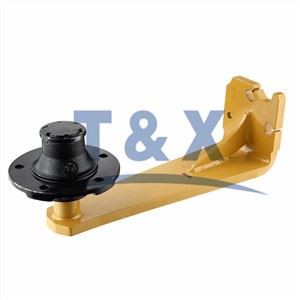
For example, if you're replacing a cast flail cutter, make sure the new Cast Flail Cutter is compatible with the drive system, the mounting brackets, and the other parts of the equipment. You may need to make some adjustments or modifications to ensure a proper fit.

Ongoing Monitoring
Even after you've installed the compatible steel wear parts, the job isn't done. You need to monitor the performance of the parts regularly. Keep an eye on the wear rate, the operating temperature, and any unusual noises or vibrations. If you notice any issues, it could be a sign of a compatibility problem or other issues with the equipment.
Regular maintenance is also essential. Clean the parts, lubricate them as needed, and replace them when they reach the end of their service life. This will help ensure the continued compatibility and performance of your equipment.
Conclusion
Ensuring the compatibility of steel wear parts with your equipment is a multi - step process. It involves understanding your equipment, selecting the right materials, ensuring proper design and fit, conducting tests, considering compatibility with existing parts, and ongoing monitoring. By following these steps, you can minimize the risk of compatibility issues and ensure the long - term performance of your equipment.
If you're in the market for high - quality steel wear parts, we're here to help. We have a wide range of products to meet your needs, and our team of experts can provide you with professional advice on compatibility. Whether you need a fishtail bit, a trailer connector, or a flail cutter, we've got you covered. Don't hesitate to reach out to us for more information and to start a procurement discussion.
References
- Machinery's Handbook, 31st Edition.
- ASM Handbook Volume 1: Properties and Selection: Irons, Steels, and High - Performance Alloys.