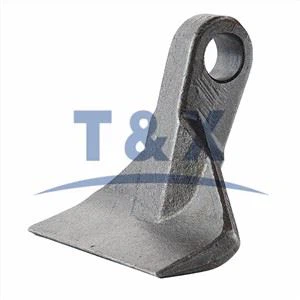

Storing a tree saw properly is crucial to safeguard its teeth and extend its lifespan. As a dedicated Tree Saw Teeth supplier, I understand the importance of proper storage and maintenance. In this blog, I'll share insights on how to store a tree saw effectively to protect the teeth and ensure optimal performance.
Why Proper Storage Matters
Tree saw teeth are designed to cut through tough wood fibers efficiently. However, they are also vulnerable to damage if not stored correctly. Exposure to moisture, dust, and improper handling can lead to rust, dullness, and chipping, significantly reducing the saw's cutting ability. By storing your tree saw properly, you can prevent these issues and maintain the sharpness and integrity of the teeth.
Cleaning the Saw Before Storage
Before storing your tree saw, it's essential to clean it thoroughly to remove any debris, sap, or dirt that may have accumulated during use. Follow these steps for a thorough cleaning:
- Disconnect the Power: If you're using a power saw, ensure it is unplugged or the battery is removed to prevent accidental startup.
- Remove the Blade: Carefully remove the saw blade according to the manufacturer's instructions. This will make it easier to clean both the blade and the saw body.
- Clean the Blade: Use a stiff brush or a blade cleaning solution to remove any sap, dirt, or debris from the blade. Pay special attention to the teeth, making sure to clean between each tooth to remove any trapped particles. For stubborn sap, you can use a solvent or a specialized blade cleaner, but be sure to follow the manufacturer's instructions and use it in a well - ventilated area.
- Clean the Saw Body: Wipe down the saw body with a clean, dry cloth to remove any dust or dirt. You can also use a mild detergent and water to clean the body, but make sure to dry it thoroughly to prevent rust.
- Inspect for Damage: While cleaning, inspect the blade and the saw for any signs of damage, such as cracks, chips, or bent teeth. If you notice any issues, it may be necessary to replace the blade or have the saw repaired before storage.
Choosing the Right Storage Location
The storage location plays a significant role in protecting the tree saw teeth. Here are some factors to consider when choosing a storage spot:
- Dry Environment: Moisture is one of the biggest enemies of saw teeth. It can cause rust and corrosion, which will dull the teeth and reduce their cutting efficiency. Choose a storage location that is dry and well - ventilated, such as a garage with a dehumidifier or a climate - controlled shed.
- Temperature Control: Extreme temperatures can also affect the performance and durability of the saw. Avoid storing the saw in areas that are too hot or too cold, as this can cause the metal to expand or contract, potentially damaging the teeth.
- Protection from Dust and Debris: Dust and debris can accumulate on the saw teeth and cause them to wear out more quickly. Store the saw in a covered area or in a protective case to keep it clean and free from dust.
- Safe and Secure: Make sure the storage location is safe and secure, away from children and pets. A locked cabinet or a toolbox can be a good option to prevent unauthorized access and accidental damage.
Proper Storage Methods
Once you've chosen the right storage location, it's time to store the saw properly. Here are some effective storage methods:
- Hanging the Saw: If you have limited space, hanging the saw on a wall can be a great option. Use a sturdy hook or a saw hanger to hang the saw by the handle or the blade guard. Make sure the saw is hanging securely and that the teeth are not touching any hard surfaces.
- Storing in a Toolbox or Case: For added protection, you can store the saw in a toolbox or a dedicated saw case. Make sure the case is large enough to accommodate the saw and has padding to prevent the saw from moving around and getting damaged. You can also use a blade cover or a sheath to protect the teeth.
- Using a Blade Guard: Always keep the blade guard in place when the saw is not in use. The blade guard provides an extra layer of protection for the teeth and helps prevent accidental cuts.
Additional Tips for Protecting the Teeth
In addition to proper cleaning and storage, there are some other tips you can follow to protect the tree saw teeth:
- Lubrication: Apply a light coat of lubricant to the saw blade before storage. This will help prevent rust and corrosion and keep the teeth sharp. You can use a specialized blade lubricant or a light oil, such as WD - 40.
- Avoid Over - Tightening: When reinstalling the blade, make sure not to over - tighten the blade nuts. Over - tightening can cause stress on the blade and the teeth, leading to premature wear and damage. Follow the manufacturer's recommended torque specifications.
- Regular Inspections: Even when the saw is in storage, it's a good idea to inspect it regularly. Check for any signs of rust, damage, or wear and address any issues promptly.
Our Products for Your Tree Saw Needs
As a Tree Saw Teeth supplier, we offer a wide range of high - quality products to meet your sawing needs. Our Wearable Alloy Steel Saw Tooth is made from durable alloy steel, providing a longer life and significantly better cutting performance. We also have the Tree Saw Teeth Holder to securely hold the teeth in place, ensuring a stable and efficient cutting process. And our Tree Saw Teeth are designed to fit various types of tree saws, offering a perfect solution for your cutting tasks.


Contact Us for Your Purchase
If you're in the market for high - quality tree saw teeth or related products, don't hesitate to contact us for procurement discussions. We are committed to providing the best products and services to our customers. Whether you're a professional arborist or a DIY enthusiast, our products can help you get the job done efficiently and effectively.
References
- "Tree Saw Maintenance Guide" - Various industry publications
- Manufacturer's manuals for tree saws and related products