
Hey there! As a supplier of Mulcher Parts, I've been getting a lot of questions lately about how to measure the torque of these parts. Torque is a crucial factor when it comes to the performance and efficiency of mulchers, so I thought I'd share some insights on this topic.
First off, let's understand what torque is. Torque is basically a measure of the force that causes an object to rotate around an axis. In the context of mulcher parts, it's the force that makes the mulcher teeth and other components spin and do their job of cutting and grinding.
Now, why is measuring torque so important? Well, if the torque is too low, the mulcher might not be able to cut through tough materials effectively. On the other hand, if the torque is too high, it could put excessive stress on the parts, leading to premature wear and tear or even damage. So, getting the right torque is key to ensuring the mulcher works smoothly and lasts a long time.
There are a few different methods you can use to measure the torque of mulcher parts. One common way is to use a torque wrench. A torque wrench is a tool that allows you to apply a specific amount of torque to a fastener. You simply attach the torque wrench to the bolt or nut that's holding the mulcher part in place and then apply force until the wrench clicks or indicates the desired torque value.
When using a torque wrench, it's important to follow the manufacturer's specifications. Different mulcher parts may require different torque settings, so make sure you have the right information. You can usually find this in the product manual or by contacting the manufacturer.

Another method to measure torque is by using a dynamometer. A dynamometer is a more sophisticated tool that can measure the power and torque of a rotating object. It works by applying a load to the mulcher part and then measuring the force and speed at which it rotates. This method is often used in more professional or industrial settings, but it can provide very accurate results.
Now, let's talk about some factors that can affect the torque of mulcher parts. One of the main factors is the type of material being mulched. Harder materials, like thick branches or dense vegetation, will require more torque to cut through compared to softer materials. So, if you're mulching a lot of tough stuff, you might need to adjust the torque settings accordingly.
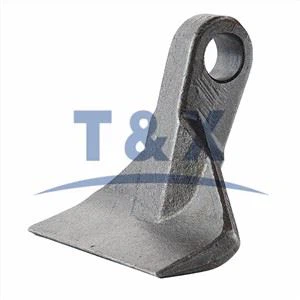
The design and condition of the mulcher parts also play a role. For example, Land Mulcher Teeth that are worn down or damaged may not be able to generate as much torque as new ones. Similarly, if the teeth are installed incorrectly or if there's debris stuck in the mulcher, it can affect the torque and overall performance.
Regular maintenance is essential to keep the torque of your mulcher parts in check. This includes cleaning the parts regularly to remove any debris or buildup, checking for wear and tear, and replacing any damaged components. For instance, Forestry Mulcher Teeth should be inspected regularly to ensure they're sharp and in good condition. If you notice that the teeth are starting to wear out, it's a good idea to replace them as soon as possible to maintain optimal torque.
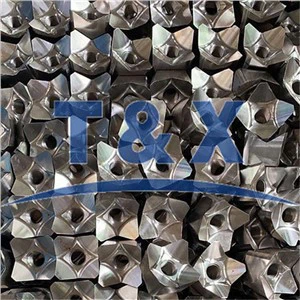
The Forged Tungsten Carbide Brazed Forestry Mulcher Tooth is a popular choice among mulcher users because of its high durability and ability to generate good torque. These teeth are made from high - quality materials that can withstand the rigors of mulching, even in tough conditions.
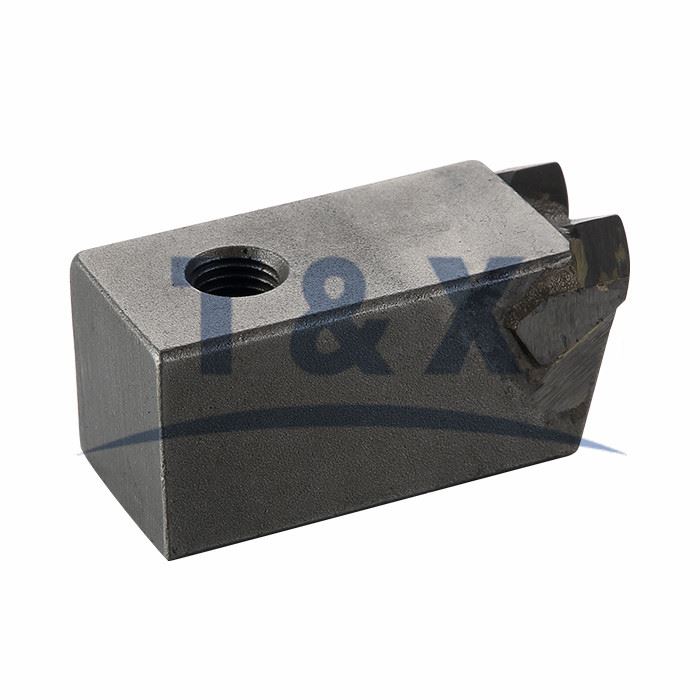
The Mulcher Teeth Holders also need to be in good shape. If the holders are loose or damaged, it can cause the teeth to move around, which will affect the torque and the cutting performance. Make sure to check the holders regularly and tighten or replace them as needed.
In addition to measuring and maintaining the torque, it's also important to choose the right mulcher parts for your specific needs. Different types of mulchers and applications may require different parts with varying torque requirements. For example, if you're using a mulcher for small - scale landscaping jobs, you might not need parts with extremely high torque. But for large - scale forestry or land clearing projects, you'll want parts that can handle the heavy - duty workload.
When it comes to purchasing mulcher parts, you need to make sure you're getting high - quality products. As a supplier, I know how important it is to offer parts that meet the highest standards. That's why we carefully source our mulcher parts from reliable manufacturers and test them to ensure they perform well and have the right torque characteristics.
If you're having trouble measuring the torque of your mulcher parts or if you're not sure which parts are right for your needs, don't hesitate to reach out. We're here to help you make the best decisions and ensure that your mulcher is working at its best. Whether you're looking for Land Mulcher Teeth, Forestry Mulcher Teeth, or any other mulcher components, we can provide you with the information and support you need.
So, if you're interested in learning more about our mulcher parts or want to discuss your specific requirements, we're just a message away. Start a conversation with us, and let's work together to get your mulcher up and running at peak performance.
References
- Engineering textbooks on mechanics and machinery design.
- Product manuals from mulcher manufacturers.