


If you own or operate a trailer, you know that smooth, safe towing starts with small, routine checks—none more critical than verifying the runout of your wheel hubs. As a supplier of trailer wheel hubs, I’ve spent years working with fleet managers, trailer owners, and small repair shops to help them avoid the costly headaches that come with unaddressed runout: uneven tire wear, shaky steering, or even catastrophic wheel failure mid-tow. Today, I’m walking you through how to check wheel hub runout like a pro—no fancy equipment required, just a few basic tools and a little attention to detail. I’ll also tie in the products my team specializes in, from cast hubs to complete hub kits, because having quality components makes these checks much more accurate.
First, let’s define what runout actually is, because if you don’t know the term, you can’t fix the problem. Wheel hub runout is the deviation of a hub’s surface from a perfectly straight, circular path as it spins. There are two main types: radial runout (how much the hub wobbles side-to-side) and axial runout (how much it tilts up-and-down like a seesaw). Both can be caused by a few common issues: worn wheel bearings, a bent spindle, a damaged hub from a previous impact, or improper installation. Left unaddressed, even a small amount of runout can lead to bigger problems that put you and your cargo at risk.
Before you start checking, gather your tools. You don’t need an expensive dial indicator (though it’s helpful if you have one)—a simple dial test indicator will give you the most accurate readings, but a solid ruler or even a long screwdriver and a garage floor will work for a quick, rough check. You’ll also need a jack and jack stands to lift the trailer safely (never work under a trailer supported only by a jack!), a lug wrench, and a clean rag to wipe down the hub surfaces.
Now, let’s get to the actual checks, starting with radial runout, since that’s often the first sign of issues with rotating components like bearings. First, make sure your trailer is on level ground, set the parking brake, and chock the opposite wheels to prevent rolling. Lift one wheel at a time until it’s about 6 inches off the ground, then secure it with jack stands—double-check that it’s stable before moving to the next step.
Next, remove the dust cap from the hub, then loosen the lug nuts (don’t remove them entirely yet—you’ll want the wheel slightly anchored to the hub to keep it aligned during the check). If your hub has a grease seal or bearing cover, gently pry that off too, being careful not to damage the seal (this is where having quality components like our Trailer Wheel Hubs Cast Hub comes in—these durable cast hubs are designed to hold up to routine disassembly without cracking or warping, making them ideal for regular checks).
For radial runout: If you have a dial indicator, mount it to the trailer’s spindle or the axle housing so the indicator tip touches the center of the hub’s bearing seat (the part the bearings sit against) or the inner surface of the hub’s flange. Spin the hub slowly by hand, watching the indicator reading. A reading of more than 0.005 inches (0.127 mm) of variation is considered excessive for most standard trailers. If you don’t have a dial indicator, you can use a long ruler: hold one end firmly against the spindle or axle housing, so the other end is 1/8 inch away from the hub’s outer edge, then spin the hub. If the gap between the ruler and the hub changes noticeably as it spins, you have radial runout.
Now, axial runout—this affects the hub’s up-and-down movement and is often harder to spot. To check this, reposition your dial indicator so the tip touches the face of the hub (the flat surface that the wheel’s backplate sits against). Again, spin the hub slowly and watch the indicator. A reading more than 0.003 inches (0.076 mm) is too much axial runout. If you’re using the ruler method, hold the ruler against a fixed part of the axle housing so the tip just touches the hub’s face, then spin the hub. Any noticeable tilting or gap change signals axial runout.

Once you’ve completed the checks, it’s time to interpret the results and figure out what’s causing the runout. If both radial and axial runout are high, the most common culprit is worn wheel bearings. Over time, the bearings race and the bearings themselves wear down, leaving play that makes the hub wobble. If the runout is mostly radial, it could be a bent spindle from a pothole or curb impact, or a damaged hub. If axial runout is high, that could be improper bearing adjustment, a warped hub flange, or even a loose wheel.
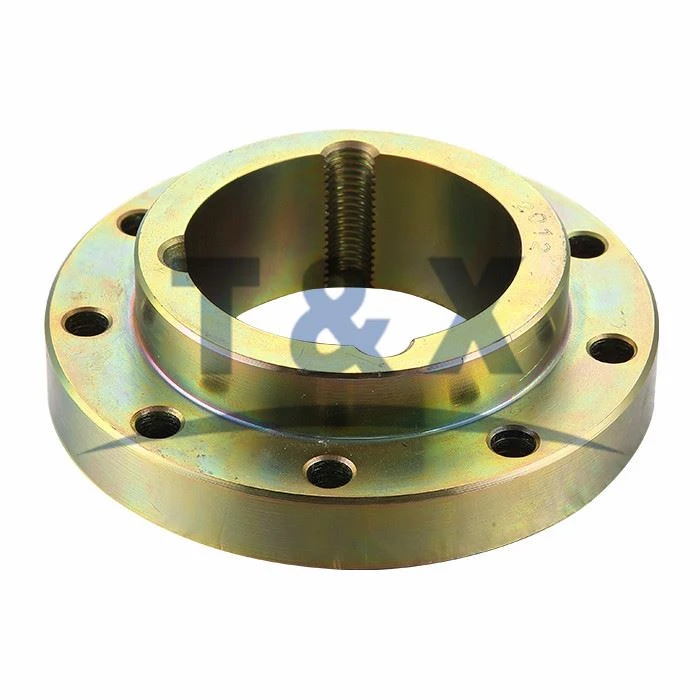
This is where having the right replacement parts comes in. If you do find excessive runout, swapping out worn components can fix the issue, and working with a trusted supplier like ours means you get parts that meet OEM standards. For example, if you need a new hub, our Trailer Wheel Forged Hub Housing With Bearings & Races is a popular choice—it’s precision-machined from high-strength forged steel, so it resists warping better than cast hubs for heavy-duty towing. If you’re only replacing the bearing-related parts, our Aluminum Alloy Machined Boss is a lightweight, durable component that works seamlessly with most hub assemblies. And if you’re doing a full hub replacement to avoid part compatibility issues, our Trailer Wheel Hubs Kit includes everything you need: the hub, bearings, races, seals, and even the flange parts for a perfect fit—no extra trips to the hardware store.
Wait a second—if you’re checking runout, you might be wondering if you need to remove the wheel entirely during each check. The short answer is yes, but if you’re doing a quick pre-trip check, you can skip removing the wheel and get a rough idea. Just set the dial indicator against the wheel’s outer rim, not the hub, but keep in mind that this reading will include any runout in the wheel itself, so it’s not as accurate. For a proper hub runout check, the hub itself (not the wheel) is your point of reference.
Another common mistake I see is not cleaning the hub surfaces before checking. Dirt, old grease, or rust on the hub or spindle can throw off your readings, so always wipe down the bearing seat, hub flange, and spindle with a clean rag before mounting your indicator or ruler. That small step saves you from misdiagnosing runout that’s actually just from debris.
If you do find excessive runout, don’t panic—most cases are easy to fix. For worn bearings, you can adjust the bearing adjustment nut (follow your trailer manufacturer’s specs, which are usually around 150 to 200 inch-pounds of torque, then back off 1/6 of a turn, then tighten the nut’s lock washer). If that doesn’t reduce play, it’s time to replace the bearings and races, or the entire hub. For a bent spindle, you’ll need to replace the spindle or axle, since bending it back can weaken it and lead to failure down the line.
Now, let’s talk about routine maintenance. Checking hub runout every 6 months or every 5,000 miles is a good rule of thumb, especially if you tow frequently or drive on rough roads. It’s a small task that takes 15 minutes and can prevent thousands of dollars in repairs, not to mention keeping you safe on the road. As a trailer wheel hubs supplier, we always recommend pairing runout checks with bearing greasing—old, dry grease can speed up bearing wear and lead to runout before you know it.
If you’re not comfortable doing these checks yourself, most local trailer repair shops offer hub runout inspections for a small fee. But if you tackle it yourself, you’ll save money and gain peace of mind knowing your trailer is in good shape. When you do need replacement parts, don’t settle for cheap, low-quality hubs—they might save you a few bucks upfront, but they’re more likely to develop runout or fail prematurely. Our range of hubs, from cast to forged, and our complete hub kits are designed to meet or exceed industry standards, so you can trust they’ll stand up to thousands of miles of towing.
Whether you’re a weekend camper towing a small utility trailer or a fleet manager with dozens of heavy-duty transport trailers, checking wheel hub runout is non-negotiable for safe towing. It’s a simple process that anyone can learn, and the tools you need are likely already in your garage. After years of working with customers, I’ve seen firsthand how a quick runout check can prevent a tire blowout on a highway, save a cargo load, or avoid a dangerous accident.
If you’re in need of replacement trailer wheel hubs, hub components, or full hub kits for your next maintenance or repair project, our team is here to help you find the right parts for your trailer. We work with a wide range of trailer types and sizes, so whether you need a single cast hub or a complete hub assembly for a heavy-duty application, we have you covered. Don’t let runout turn into a big problem—reach out to us to discuss your needs and get quality parts that keep your wheels spinning smoothly and safely.
References:
- National Trailer Dealers Association. (2022). Trailer Safety Inspection Manual: Hub and Wheel Component Checks. NTDA Publications.
- Society of Automotive Engineers (SAE). (2021). SAE J694: Wheel Hub and Bearing Assembly Specifications for Light Trailers. SAE International.
- Trailer Life Magazine. (2023). "Pre-Tow Checks: Avoiding Common Wheel and Hub Failures." Trailer Life, Vol. 77, No. 4, pp. 45-48.
- International Organization for Standardization (ISO). (2020). ISO 10303-242: Industrial Automation Systems and Integration – Product Data Representation and Exchange – Part 242: Application Protocol for Mechanical Parts and Products. ISO.


