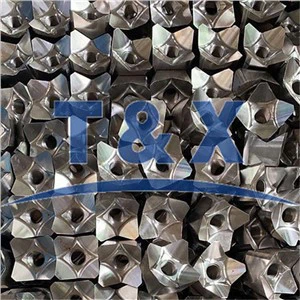

If you’ve ever held a car door latch, a smartphone connector, or a kitchen appliance component that feels both durable and lightweight, there’s a good chance it came from a die casting process. As a die casting parts supplier, I’ve spent years walking engineers, product designers, and startup founders through the nuances of this manufacturing method—and one of the most common questions I get is: “What are the different types of die casting for parts?” The answer isn’t just a list of names; it’s a breakdown of how each type balances precision, cost, material fit, and production volume to meet specific needs. Over the next few hundred words, I’ll break down the main die casting types, their use cases, and how we leverage each to deliver parts that perform for our clients.
First, let’s start with the two foundational categories that shape almost every die casting process: hot chamber die casting and cold chamber die casting. The difference between them boils down to how molten metal is handled before it’s injected into the die—a detail that changes everything for the part’s quality and your production timeline. Hot chamber die casting uses a gooseneck machine submerged in a pot of molten metal, so the injection chamber is always pre-heated, allowing for fast, continuous cycles (sometimes as quick as 10 cycles per minute). That speed makes it ideal for metals with low melting points, like zinc, which is why our Zinc Die Casting Parts line is such a workhorse for small, complex, high-volume parts. Zinc is soft enough to flow easily into tiny die cavities, and it has excellent dimensional stability—perfect for things like electronic hardware, toy components, or lock parts that need tight tolerances. I remember working with a startup last year that needed 50,000 zinc casings for wireless earbud charging cases; hot chamber die casting let us deliver those parts in 10 days, no compromise on the precise snap-fit they required.
Cold chamber die casting, on the other hand, is for metals with high melting points—aluminum, copper, magnesium, and some high-grade brasses. Here, molten metal is melted in a separate furnace, then ladled or pumped into the cold chamber before being injected into the die at high pressure. This process avoids the risk of the hot metal corroding the gooseneck machine, which is critical for metals that would damage hot chamber components quickly. Aluminum is the most common material here, and our Aluminum Die Casting Parts are used for everything from automotive engine brackets to drone frames. A customer in the electric vehicle space recently came to us needing lightweight, rigid brackets that could withstand extreme under-hood temperatures—cold chamber die casting gave us the ability to create thin, uniform walls in aluminum that are 30% lighter than steel, which was non-negotiable for their EV’s range goals. The cycle time here is a bit slower (usually 1-2 cycles per minute), but for large, high-strength parts, the tradeoff is worth it.
But wait—hot and cold chamber are just the starting point. Once you move past those two core methods, there are specialized die casting types for very specific needs. For example, high-pressure die casting (HPDC) is the industrial term for the hot and cold chamber processes I just mentioned—it’s the workhorse of mass production, responsible for 90% of all die cast parts made today. But for parts that need even tighter tolerances and smoother surfaces, there’s low-pressure die casting (LPDC). Instead of injecting metal under high force, LPDC uses gentle, controlled pressure to push molten metal up a tube from a bottom-mounted crucible into the die. This results in fewer gas pores, better structural integrity, and parts with a more consistent grain structure—great for large components like engine blocks or wind turbine parts where uniform strength is key. I’ve used LPDC for a agricultural equipment client that needed large, heavy-duty hydraulic valves; the low-pressure process eliminated the weak spots that can come from high-pressure injection, so their valves lasted 2x longer in dusty, high-stress farm conditions.
Then there’s vacuum die casting, a more specialized variant of both hot and cold chamber processes. The problem with standard high-pressure die casting is that when metal is injected fast, it can trap air inside the die, leading to porosity—small air pockets that weaken the part or make it hard to finish (like painting or plating). Vacuum die casting solves this by pulling a vacuum on the die cavity before injecting metal, sucking out all the air and reducing porosity by up to 90%. This is perfect for parts that need to be machined post-casting—if you’ve ever tried to drill or tap a standard die cast part, porosity can make the thread strip or crack, but vacuum die cast parts machine clean every time. A medical device client recently switched to vacuum die casting for their surgical tool housings; before, they had to scrap 15% of parts due to porosity during machining, but now that number is under 1%. It’s a small tweak that makes a huge difference for quality control.
Gravity die casting is another type that’s less common for high-volume parts but invaluable for custom, low-run prototypes. As the name suggests, molten metal is poured into the die using only gravity—no pressure, no vacuum. It’s the oldest form of die casting, and it works best for simple, thick-walled parts where appearance isn’t critical, like engine manifolds or decorative metal fixtures. We use gravity die casting for our prototyping services when a client wants to test a new part design in metal before committing to high-volume tooling; it’s cheap, fast, and lets us make adjustments to the die design quickly without the cost of a high-pressure mold.
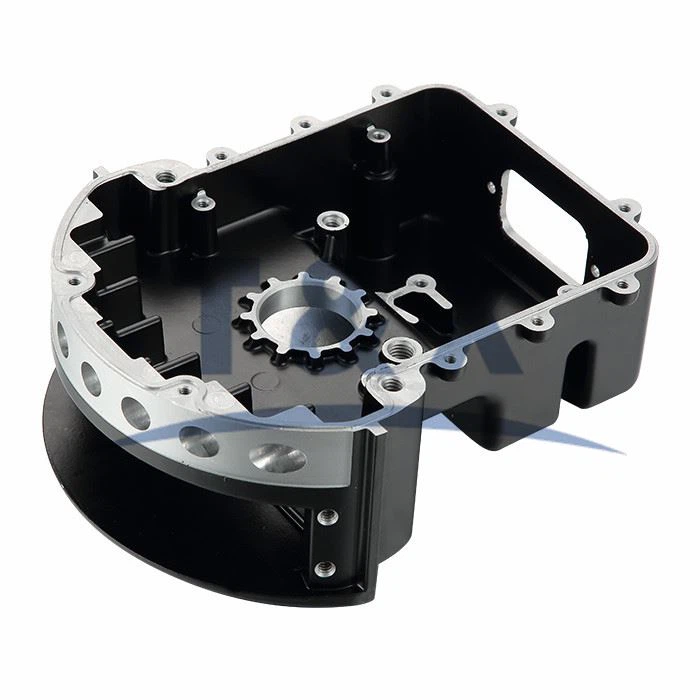
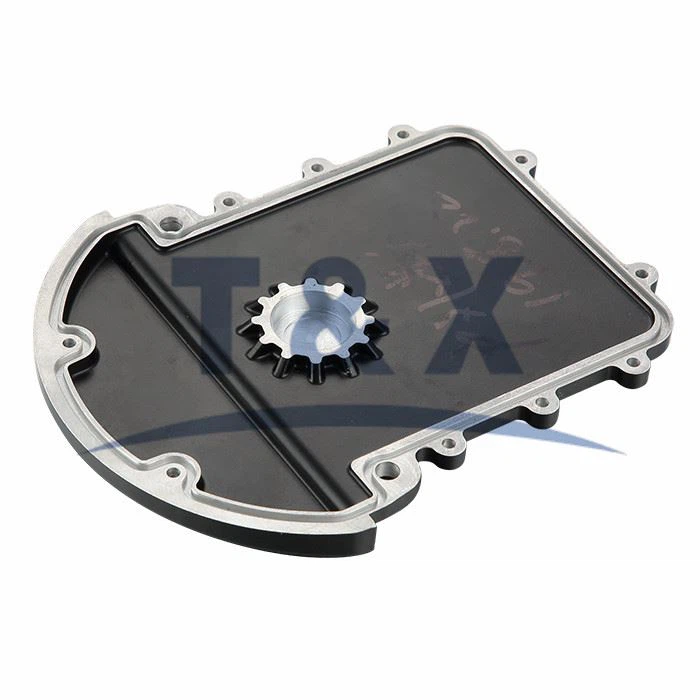
So why does all this matter? The type of die casting you choose isn’t just a technical detail—it impacts cost, lead time, part performance, and even the finish of the final product. For example, if you need 10,000 small zinc parts for hardware, hot chamber die casting is the cheapest, fastest option. If you need a large aluminum component for an EV frame, cold chamber (or vacuum cold chamber) is the only way to get the strength and precision you need. If you’re testing a new product design, gravity die casting or low-pressure die casting might be the best starting point.
As a die casting parts supplier, our job isn’t just to sell you parts—it’s to help you pick the right process for your project. We’ve invested in all these die casting setups, from hot chamber machines perfect for zinc to vacuum cold chamber lines for high-performance aluminum, so we can match your material, volume, and quality needs to the right process. No two projects are the same, and we never use a one-size-fits-all approach.
If you’re working on a new product, redesigning an existing part, or just have questions about which die casting type will work best for you, we’re here to help. Whether you need a prototype, a small production run, or a full-scale mass order, we can walk you through every step—from material selection to die design to finished part delivery. Reach out to our team to discuss your project and learn more about how we can bring your parts to life.
References
- Die Casting Development Council. (2022). Die Casting Process Types and Applications. Retrieved from official DCDC manufacturing resources.
- American Foundry Society. (2021). Metal Casting Processes: High vs. Low Pressure Die Casting. Foundry Trade Journal.
- Zinc Die Casting Association. (2023). Advantages of Hot Chamber Die Casting for Zinc Components. Industry Technical Bulletin.
- Aluminum Association. (2022). Cold Chamber Die Casting: Standards for Automotive and Aerospace Parts. Aluminum Industry Specification Manual.