
Die soldering, also known as soldering or welding of the casting to the die, is a common and troublesome issue in die casting parts production. As a die casting parts supplier, we understand the negative impacts it can have on the quality of products, production efficiency, and overall cost - effectiveness. In this blog, we will explore the various causes of die soldering and share strategies to prevent it, ensuring high - quality die casting parts production.
Understanding Die Soldering
Die soldering occurs when the molten metal adheres to the die surface during the die casting process. This adhesion can lead to a series of problems, such as rough surface finish on the casting, damage to the die cavity, and increased cycle time due to the need for frequent die cleaning and maintenance. The root causes of die soldering can be mainly classified into three aspects: material - related factors, die - related factors, and process - related factors.
Material - Related Factors
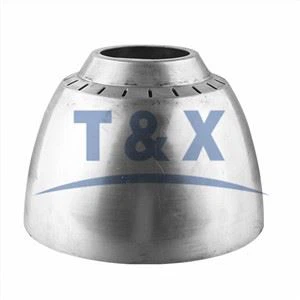
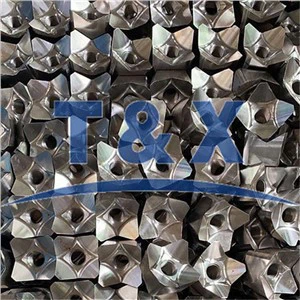
The type of metal used in die casting plays a significant role in die soldering. For example, some metals have a higher affinity for the die material, making them more prone to soldering. Zinc Die Casting Parts are generally less likely to cause soldering compared to other metals. Zinc has a relatively low melting point and better fluidity, which reduces the tendency to adhere to the die.
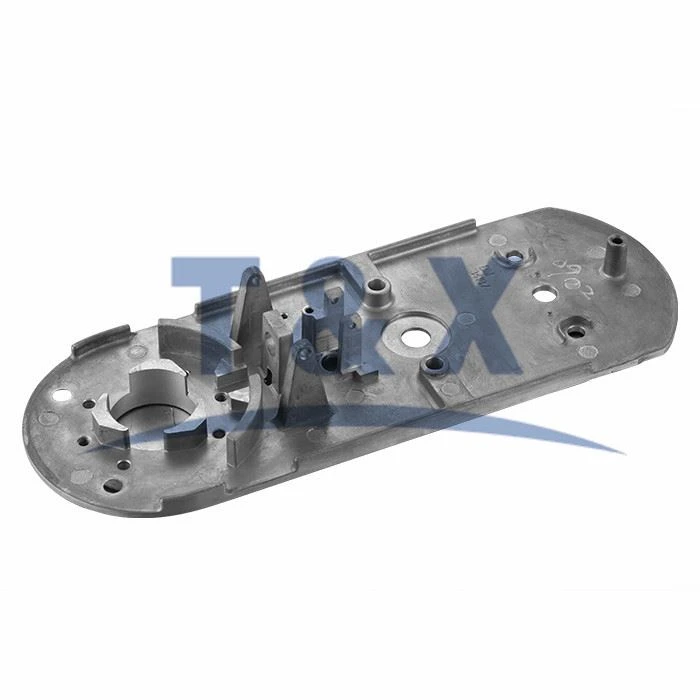
On the other hand, Aluminum Die Casting Parts are more challenging in this regard. Aluminum has a strong oxidation tendency, and the aluminum oxide layer formed on the die surface can facilitate the adhesion of molten aluminum. Additionally, the chemical composition of the alloy can also affect the soldering behavior. Impurities or alloying elements that form intermetallic compounds with the die material can increase the risk of soldering.
Die - Related Factors
The surface condition of the die is crucial. A rough die surface provides more areas for the molten metal to adhere to. Therefore, it is essential to ensure a smooth surface finish of the die cavity. This can be achieved through proper machining and polishing processes.
The die material itself also matters. Different die materials have different chemical and physical properties. For instance, some die steels have better resistance to soldering than others due to their alloying elements and heat - treatable properties. Using a high - quality die material with good heat resistance and chemical stability can significantly reduce the occurrence of die soldering.
The thermal management of the die is another important factor. Uneven temperature distribution in the die can cause local overheating, increasing the probability of soldering. Proper cooling channels should be designed and maintained to ensure uniform temperature throughout the die.

Process - Related Factors
The injection speed and pressure during the die casting process can influence die soldering. High injection speed and pressure can cause the molten metal to hit the die surface with greater force, increasing the likelihood of adhesion. Therefore, it is necessary to optimize the injection parameters according to the specific requirements of the casting.
The die lubrication is also a key process factor. A good lubricant can form a protective film on the die surface, reducing friction and preventing the molten metal from directly contacting the die. However, improper use of lubricants, such as using too much or too little, or using a lubricant that is not suitable for the metal and die materials, can lead to soldering problems.
Preventive Strategies
Material - Based Prevention
- Alloy Selection: As mentioned earlier, choosing the right alloy can reduce the risk of die soldering. For applications where soldering is a major concern, zinc alloys can be a good choice. If aluminum alloys are required, special aluminum alloys with lower soldering tendencies can be selected, and the alloy composition should be carefully controlled to minimize impurities.
- Surface Treatment of the Metal: Before die casting, certain surface treatments can be applied to the metal to reduce its reactivity with the die. For example, a thin oxide - resistant coating can be formed on the surface of the metal to prevent direct contact and chemical reaction between the molten metal and the die.
Die - Based Prevention
- Die Surface Treatment: Applying a coating on the die surface can enhance its resistance to soldering. There are various types of coatings available, such as nitride coatings and ceramic coatings. These coatings can act as a barrier between the molten metal and the die, reducing the adhesion force.
- Die Design Optimization: The design of the die should take into account factors such as fluid flow, temperature distribution, and ease of ejection. Well - designed gating and runner systems can ensure smooth and even filling of the die cavity, reducing the impact of the molten metal on the die surface. Additionally, proper venting should be provided to prevent air entrapment and pressure build - up, which can also contribute to die soldering.
- Thermal Management: Implementing an effective cooling system is essential for maintaining a uniform die temperature. The cooling channels should be designed to cover the entire die cavity evenly, and the coolant flow rate and temperature should be carefully controlled. Regular maintenance of the cooling system, including cleaning and checking for blockages, is also necessary to ensure its proper functioning.
Process - Based Prevention
- Injection Parameter Optimization: Conducting experiments and simulations to determine the optimal injection speed and pressure for each specific die casting part. By finding the right balance, the force with which the molten metal hits the die surface can be reduced, minimizing the risk of soldering.
- Lubrication Management: Selecting the appropriate lubricant based on the type of metal and die materials. The lubricant should be applied evenly and in the right amount. Automated lubrication systems can help ensure consistent and accurate application. Regularly monitoring the condition of the lubricant and replacing it when necessary is also important.
- Cleaning and Maintenance: Regularly cleaning the die to remove any residues of molten metal, lubricant, or other contaminants is crucial. This can prevent the build - up of substances that may promote soldering. In addition, damage to the die should be repaired promptly to maintain its smooth surface and integrity.
Monitoring and Detection
To effectively prevent die soldering, continuous monitoring and early detection are necessary. This can be achieved through the following methods:
- Visual Inspection: Regularly inspecting the die and the castings during the production process. Any signs of soldering, such as rough spots on the casting surface or adhesion of metal to the die, should be noted immediately.
- Temperature Monitoring: Installing temperature sensors in the die to monitor the temperature distribution in real - time. Abnormal temperature increases in certain areas of the die can indicate potential soldering problems.
- Process Parameter Monitoring: Continuously monitoring injection speed, pressure, lubricant application rate, and other process parameters. Any significant deviations from the normal values may be a sign of impending soldering issues.
Conclusion
Die soldering is a complex problem in die casting parts production that can have a significant impact on product quality and production efficiency. As a die casting parts supplier, we need to take a comprehensive approach to prevent it. By understanding the causes related to materials, dies, and processes, and implementing appropriate preventive strategies, we can minimize the occurrence of die soldering and produce high - quality die casting parts.
If you are in the market for high - quality die casting parts and want to avoid the problems associated with die soldering, we are here to help. We have extensive experience in die casting and a deep understanding of the processes involved. Contact us for a detailed discussion on your specific requirements and let's work together to achieve the best results for your projects.
References
- Campbell, J. (2003). Castings. Butterworth - Heinemann.
-ASM Handbook Committee. (2008). ASM Handbook, Volume 15: Casting. ASM International. - Flemings, M. C. (1974). Solidification Processing. McGraw - Hill.