
Yo, folks! As a supplier of Steel Casting Parts, I've seen a lot in the industry. Today, I wanna talk about the environmental impacts of steel casting parts production. It's a topic that's super important, not just for us in the business but for the planet as well.
Let's start with the biggie - energy consumption. Steel casting is an energy - hungry process. We're talking about melting down metal at extremely high temperatures. To get that steel molten, we need a ton of energy, usually from fossil fuels like coal and natural gas. Burning these fuels releases a whole bunch of greenhouse gases, mainly carbon dioxide (CO₂). And as we all know, too much CO₂ in the atmosphere is a major contributor to global warming.
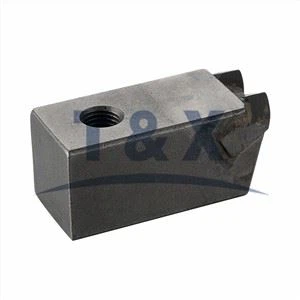
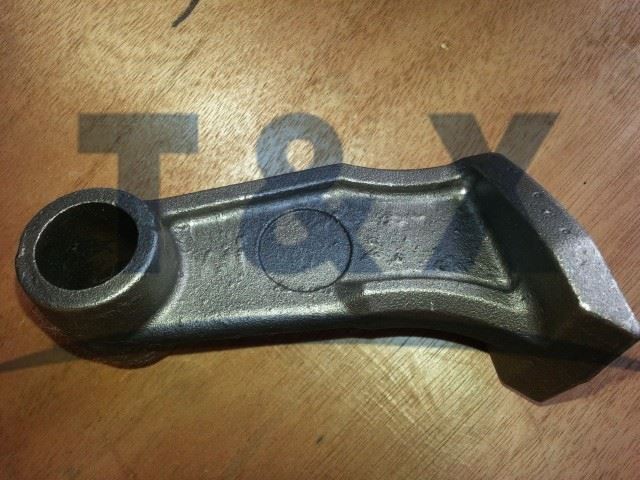
For example, when we're making Cast Flail Cutter, we have to heat the steel to around 1500 degrees Celsius. That's no small feat! All the energy used to reach and maintain that temperature adds up, and it's not great for the environment. The same goes for Precision Cast Trailer Connector. Every piece we produce means more energy burned and more emissions released.
Another environmental concern is waste generation. In the steel casting process, there's a lot of waste involved. First off, there are the molds. Most of the time, we use sand molds for casting. Once the casting is done, these molds are often discarded. That's a huge amount of sand going to waste. And if the sand has been contaminated with chemicals used in the casting process, it can't just be reused easily.
Then there are the scraps. During the casting, we sometimes end up with parts that don't meet the quality standards. These are called scraps, and they pile up quickly. While some of the scrap steel can be recycled, it still takes energy to recycle it. And if not managed properly, these scraps can end up in landfills, taking up space and potentially leaching harmful substances into the soil.
Water pollution is also a big deal. Steel casting requires water for cooling and cleaning. The water used in the process can pick up all sorts of contaminants, like heavy metals and chemicals. If this water is released into the environment without proper treatment, it can have a devastating impact on aquatic life. For instance, heavy metals like lead and mercury can accumulate in fish and other aquatic organisms, and then make their way up the food chain, eventually affecting humans.
Now, let's talk about air pollution. Besides CO₂, the steel casting process also releases other pollutants into the air. There are particulate matter (PM), sulfur dioxide (SO₂), and nitrogen oxides (NOₓ). PM can cause respiratory problems, especially for people living near steel casting plants. SO₂ can lead to acid rain, which damages forests, lakes, and buildings. And NOₓ contribute to the formation of smog, which is not only bad for the environment but also for human health.
When we're producing Lost Wax Casting Cross Bit & Lost Bit and 42CrMo Alloy Steel Harden Fishtail Bit, all these emissions are a real concern. We need to find better ways to reduce them.
But it's not all doom and gloom. There are some things we can do to mitigate the environmental impacts. For energy consumption, we can invest in more energy - efficient technologies. For example, using electric arc furnaces instead of traditional blast furnaces can reduce energy consumption and emissions significantly. These furnaces use electricity to melt the steel, and if the electricity comes from renewable sources like wind or solar, it can be a much greener option.

In terms of waste management, we can improve the recycling process. We can find ways to reuse the sand molds more effectively, maybe by treating them to remove contaminants. And for the scrap steel, we can set up better recycling systems to ensure that as much as possible is reused.
For water pollution, we can install advanced water treatment systems. These systems can remove the heavy metals and chemicals from the water before it's released back into the environment. This way, we can protect the water sources and the aquatic life.
To tackle air pollution, we can use filters and scrubbers in our production facilities. These devices can capture the particulate matter, SO₂, and NOₓ before they're released into the air. And we can also switch to cleaner - burning fuels or use technologies that reduce emissions during the combustion process.
As a Steel Casting Parts supplier, I know we have a responsibility to the environment. We need to balance our business needs with the need to protect the planet. That's why we're constantly looking for ways to improve our production processes and reduce our environmental footprint.
If you're in the market for high - quality steel casting parts, whether it's Cast Flail Cutter, Precision Cast Trailer Connector, Lost Wax Casting Cross Bit & Lost Bit, or 42CrMo Alloy Steel Harden Fishtail Bit, we'd love to have a chat with you. We're committed to providing top - notch products while also doing our part for the environment. So, don't hesitate to reach out and start a conversation about your procurement needs.
References
- "Environmental Impacts of the Steel Industry" by International Iron and Steel Institute
- "Sustainable Steel Production" from World Steel Association
- Research papers on energy - efficient steel casting technologies from academic journals