
Wire electrical discharge machining (Wire - EDM) is a popular manufacturing process used by many machining parts suppliers, including ourselves. It's a non - traditional machining method that uses electrical discharges to erode material from a workpiece. While it offers high precision and the ability to machine complex shapes, there are several common problems that can arise during the wire - EDM machining of parts. In this blog, I'll share some insights based on our experiences as a machining parts supplier.
1. Wire Breakage
One of the most frustrating issues in wire - EDM machining is wire breakage. This can occur for several reasons. Firstly, improper wire tension can lead to breakage. If the wire is too loose, it may not maintain a consistent path through the workpiece, causing it to deflect and eventually break. On the other hand, if the tension is too high, the wire may be over - stressed and snap.


Secondly, the presence of debris or contaminants in the dielectric fluid can also cause wire breakage. The dielectric fluid is used to flush away the eroded material and cool the wire. If it contains large particles or debris, these can get caught between the wire and the workpiece, causing the wire to break.
Another factor is the cutting speed. If the cutting speed is set too high, the wire may not be able to withstand the heat and stress generated during the machining process, leading to breakage. To address wire breakage, we need to regularly check and adjust the wire tension, ensure the dielectric fluid is clean and properly filtered, and optimize the cutting speed according to the material and geometry of the part.
2. Surface Finish Issues
The surface finish of the machined parts is a crucial aspect, especially for applications where smooth surfaces are required. In wire - EDM machining, poor surface finish can be caused by several factors.
One of the main causes is the occurrence of short - circuits during the machining process. Short - circuits happen when the wire comes into direct contact with the workpiece, resulting in uneven material removal and a rough surface finish. This can be due to improper flushing of the dielectric fluid, which fails to remove the eroded material efficiently.
The electrical parameters also play a significant role in surface finish. Incorrect settings of the pulse duration, pulse interval, and peak current can lead to a rough surface. For example, if the pulse duration is too long or the peak current is too high, it can cause excessive material removal and a rougher surface.
Additionally, the wire quality can affect the surface finish. A worn - out or damaged wire may not be able to produce a smooth surface. To improve the surface finish, we need to optimize the electrical parameters, ensure proper flushing of the dielectric fluid, and use high - quality wires.
3. Dimensional Accuracy Problems
Maintaining dimensional accuracy is essential in machining parts. In wire - EDM machining, several factors can affect the dimensional accuracy of the parts.
Thermal expansion is one of the major issues. During the machining process, heat is generated due to the electrical discharges. This can cause the workpiece to expand, leading to dimensional errors. The amount of thermal expansion depends on the material properties of the workpiece, such as its coefficient of thermal expansion.
Another factor is the wire wear. As the wire is used for cutting, it gradually wears down. This can result in a decrease in the wire diameter, which in turn affects the cutting width and the dimensional accuracy of the part.
The positioning accuracy of the wire is also crucial. Any errors in the wire positioning system can lead to dimensional deviations in the machined part. To improve dimensional accuracy, we need to compensate for thermal expansion, monitor and replace the wire regularly, and ensure the precision of the wire positioning system.
4. Material - related Problems
Different materials have different properties, and these can pose challenges in wire - EDM machining. For example, some materials are more difficult to machine than others. Hard materials, such as titanium alloys and high - strength steels, require more energy to erode, which can increase the risk of wire breakage and reduce the machining efficiency.
On the other hand, some materials may have poor electrical conductivity, which can affect the stability of the electrical discharges. This can lead to inconsistent material removal and dimensional inaccuracies.
Moreover, materials with high melting points can cause problems. The high melting point means that more energy is needed to melt and remove the material, which can generate more heat and increase the risk of thermal damage to the part.
When machining different materials, we need to adjust the electrical parameters, cutting speed, and flushing conditions according to the material properties. For example, when machining hard materials, we may need to use a lower cutting speed and higher peak current.
5. Geometric Deviations
In addition to dimensional accuracy, geometric deviations can also occur in wire - EDM machining. Geometric deviations refer to errors in the shape and form of the machined part.
One common geometric deviation is taper. Taper occurs when the side walls of the machined part are not perpendicular to the base. This can be caused by several factors, such as improper wire alignment, uneven flushing of the dielectric fluid, or incorrect electrical parameters.
Another geometric deviation is corner rounding. When machining sharp corners, the wire may not be able to follow the exact path, resulting in rounded corners. This can be due to the wire's radius and the limitations of the machining process.
To minimize geometric deviations, we need to ensure the wire is properly aligned, optimize the flushing conditions to ensure uniform material removal, and use appropriate corner - machining strategies.
6. Cost - related Problems
Cost is an important consideration for any machining parts supplier. In wire - EDM machining, there are several cost - related problems.
The cost of the wire is a significant factor. High - quality wires are more expensive, but they can provide better performance and surface finish. However, using expensive wires continuously can increase the production cost.
The energy consumption during the machining process is also a major cost factor. Wire - EDM machining requires a significant amount of electrical energy, especially when machining large or complex parts.
In addition, the maintenance cost of the wire - EDM machine is considerable. Regular maintenance is required to ensure the machine operates smoothly and accurately, including the replacement of parts such as the wire guides and the dielectric fluid filters. To control costs, we need to balance the quality of the wire with the cost, optimize the machining parameters to reduce energy consumption, and plan the maintenance schedule effectively.
Our Solutions and Offerings
As a machining parts supplier, we have developed several strategies to address these common problems in wire - EDM machining. We have a team of experienced engineers who are well - versed in optimizing the machining parameters for different materials and geometries.
We use advanced wire - EDM machines equipped with state - of - the - art control systems to ensure high precision and quality. Our machines are regularly maintained and calibrated to minimize the occurrence of problems.
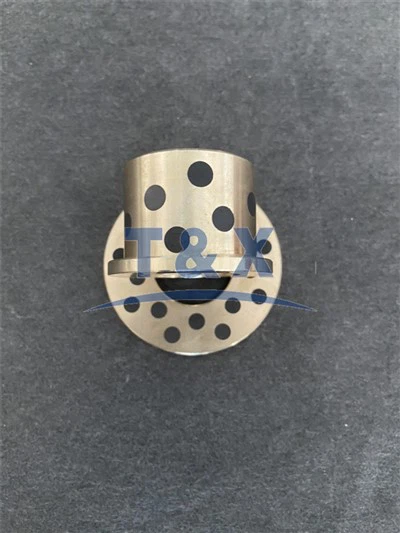
We also offer a wide range of machining parts, including Graphite Self - lubricating Copper Sleeve, Trailer Wheel Hubs Spindle, and Machined Pins Construction Machinery Parts. These parts are manufactured with high quality and precision, meeting the diverse needs of our customers.
If you are looking for high - quality machining parts or have any questions about wire - EDM machining, we welcome you to contact us for procurement and further discussions. We are committed to providing you with the best solutions and products.
References
- "Wire Electrical Discharge Machining: Principles and Applications" by John Doe
- "Advanced Machining Processes" by Jane Smith
- Industry reports on wire - EDM machining technology and best practices.