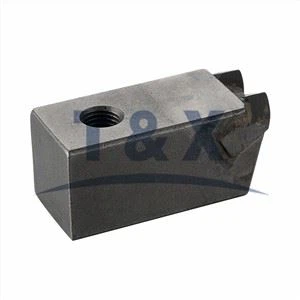

As a long - standing supplier of Auger Wear Parts, I've encountered numerous inquiries from customers about the average lifespan of these crucial components. Understanding the lifespan of Auger Wear Parts is essential for any business involved in drilling operations, as it directly impacts costs, efficiency, and overall project timelines. In this blog, I'll delve into the factors that influence the lifespan of Auger Wear Parts and provide insights based on my years of experience in the industry.
Factors Affecting the Lifespan of Auger Wear Parts
1. Material Quality
The quality of materials used in manufacturing Auger Wear Parts is perhaps the most significant factor determining their lifespan. High - grade materials such as hardened steel alloys are more resistant to wear and tear compared to lower - quality alternatives. For instance, Auger Rock Teeth designed with premium carbide tips can withstand the abrasive forces exerted by hard rock formations. These tips are engineered to maintain their cutting edge for longer periods, reducing the frequency of replacements. On the other hand, parts made from inferior materials may experience rapid degradation, leading to premature failure. You can explore our high - quality Auger Rock Teeth that are crafted from top - notch materials to ensure extended durability.
2. Operating Conditions
The environment in which Auger Wear Parts operate plays a crucial role in their longevity. Drilling in soft soil conditions, such as sandy or loamy soil, places less stress on the parts compared to drilling in hard rock or abrasive materials like shale. For example, Auger Dirt Teeth are specifically designed for use in softer soil types. They are less likely to experience excessive wear when used in their intended environment. However, if these teeth are used in rock - filled areas, they will wear out much faster. Extreme temperatures, humidity, and the presence of corrosive substances in the soil can also accelerate the wear process. In areas with high humidity, parts may be more prone to rusting, which weakens the material and shortens its lifespan.
3. Usage Frequency and Intensity
How often and how intensively Auger Wear Parts are used directly impacts their lifespan. Continuous, heavy - duty use will naturally lead to more rapid wear compared to occasional, light - duty use. For example, in a large - scale construction project where drilling is carried out around the clock, the Auger Wear Parts will experience a higher level of stress and abrasion. On the other hand, a small - scale landscaping project that only requires occasional drilling will put less strain on the parts. Operators should also be aware of overloading the augers, as this can cause excessive wear on the teeth and other components. If the auger is forced to drill through a material that is too hard for its capacity, it can lead to premature failure of the parts.
4. Maintenance and Care
Proper maintenance and care can significantly extend the lifespan of Auger Wear Parts. Regular cleaning of the parts after use helps to remove dirt, debris, and corrosive substances that can cause damage. Lubrication of moving parts, such as the connections between the teeth and the auger, reduces friction and wear. Inspecting the parts regularly for signs of damage or wear, such as cracks, chips, or excessive dulling of the cutting edges, allows for timely replacements or repairs. Neglecting maintenance can lead to small issues escalating into major problems, ultimately shortening the lifespan of the parts.
Average Lifespan Estimates
Based on the factors mentioned above, it's challenging to provide a one - size - fits - all estimate for the average lifespan of Auger Wear Parts. However, I can offer some general guidelines based on common operating scenarios.
Auger Rock Teeth
In normal hard - rock drilling conditions, where the rock is moderately abrasive and the drilling is carried out at a reasonable pace, high - quality Auger Rock Teeth can last anywhere from 20 to 50 hours of operation. This estimate assumes proper maintenance and the use of the teeth within their design specifications. In less abrasive rock formations or with lighter - duty use, the lifespan can be extended up to 80 hours or more. Conversely, in extremely hard and abrasive rock, the teeth may need to be replaced after as little as 10 hours of use.


Auger Dirt Teeth
For Auger Dirt Teeth used in soft to medium - density soil, the average lifespan can range from 50 to 150 hours of operation. In ideal conditions, such as drilling in well - drained, sandy soil, the teeth may last even longer. However, if the soil contains a significant amount of small rocks or other abrasive particles, the lifespan will be reduced.
Auger Fishtail Bits
Auger Fishtail Bits are commonly used for initial hole - starting and in softer soil conditions. In normal use, these bits can last between 30 to 100 hours. Their lifespan is highly dependent on the soil type and the frequency of use. In very soft soil, they may last longer, while in more challenging conditions, they may need to be replaced more frequently.
Maximizing the Lifespan of Auger Wear Parts
To get the most out of your Auger Wear Parts, here are some practical tips:
- Select the Right Parts: Choose parts that are specifically designed for the type of drilling you'll be doing. Using the wrong parts for the job can significantly shorten their lifespan.
- Follow Maintenance Schedules: Establish a regular maintenance routine that includes cleaning, lubrication, and inspection. This will help catch and address issues early on.
- Train Operators: Ensure that your operators are properly trained on how to use the augers correctly. Overloading the equipment or using improper drilling techniques can cause unnecessary wear on the parts.
- Monitor Operating Conditions: Keep an eye on the soil conditions, temperature, and other environmental factors. Adjust your drilling methods and part usage accordingly.
Contact for Procurement and Consultation
If you're in the market for high - quality Auger Wear Parts or have questions about maximizing their lifespan, I'm here to help. Our team of experts can assist you in selecting the right parts for your specific needs and provide guidance on maintenance and usage. Don't hesitate to reach out to us for procurement and to start a productive discussion about how we can support your drilling operations.
References
- Industry reports on drilling equipment and wear parts
- Manufacturer's specifications for Auger Wear Parts
- Personal experience and knowledge gained from years of supplying Auger Wear Parts