
Hey there! If you're curious about what goes on behind the scenes of die casting part production and its environmental impacts, you've come to the right place. As a die casting parts supplier, I've seen firsthand how this process affects our planet, and I'm here to break it down for you.
Let's start with the basics. Die casting is a manufacturing process where molten metal is forced into molds under high pressure. This method is popular because it's efficient and can produce complex shapes with high precision, making it ideal for various industries like automotive, electronics, and home appliances.
One of the most significant environmental impacts happens right at the beginning - the extraction of raw materials. Metals used in die casting, mainly zinc and aluminum, require intense mining operations. Mining is a resource - intensive activity that involves the removal of large amounts of earth. It leads to deforestation, soil erosion, and habitat destruction for countless plant and animal species. Moreover, the process consumes vast amounts of water and energy, further straining the environment.
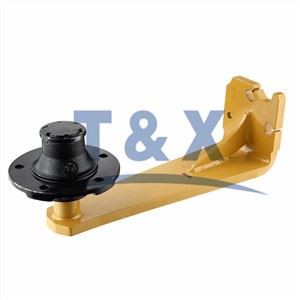
Take zinc mining, for example. Zinc is a crucial element in the production of Zinc Die Casting Parts. The extraction of zinc often involves open - pit mines, which can scar the landscape and disrupt local ecosystems. Air pollution is also a major by - product of zinc mining and smelting. Gases like sulfur dioxide are released into the atmosphere, contributing to acid rain and respiratory problems for nearby communities.
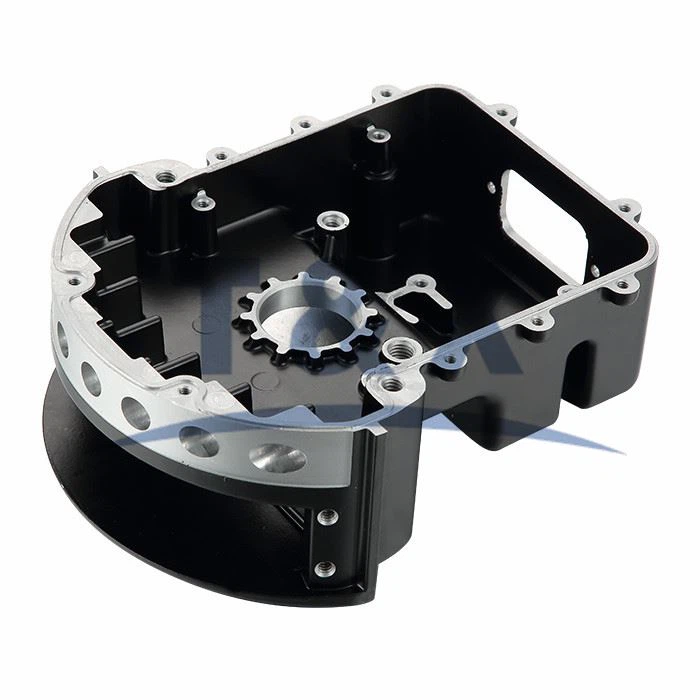

Similarly, aluminum production starts with bauxite mining. Bauxite is the primary ore of aluminum. The mining process leaves behind large areas of barren land and can contaminate nearby water sources with heavy metals and other pollutants. Processing bauxite into aluminum is an extremely energy - hungry procedure. It takes a colossal amount of electricity to smelt aluminum, and most of this electricity comes from non - renewable sources like coal - fired power plants, increasing greenhouse gas emissions.
Once we've got the raw metals, we move on to the melting stage in die casting. Heating the metals to their melting points takes a serious amount of energy. We're talking about thousands of degrees Celsius in most cases. If the energy comes from fossil fuels, it adds more carbon dioxide to the atmosphere, fueling climate change.
In addition, the die casting process produces waste materials. There are metal scraps, which aren't recyclable in all cases due to impurities. Sometimes, the dies used in the process wear out and need to be replaced. These used dies are often discarded, contributing to landfill waste.
Lubricants and coolants are used to keep the machines running smoothly during die casting. These substances can be hazardous if not properly managed. Leakage can contaminate soil and water, harming local flora and fauna. Not to mention the fact that some of these chemicals are derived from non - renewable resources.
However, not all is doom and gloom. There are ways to mitigate these environmental impacts. For starters, the recycling of metal scraps can significantly reduce the need for new raw materials. Recycling zinc and aluminum requires much less energy than producing them from scratch. For zinc, recycling can save up to 80% of the energy needed for primary production. And aluminum recycling is even more impressive, saving around 95% of the energy.
Moreover, advancements in technology have allowed for more energy - efficient die casting machines. Newer models use less electricity and can maintain consistent temperatures more effectively, reducing overall energy consumption.
When it comes to waste management, proper disposal and treatment of lubricants and coolants can prevent environmental contamination. And finding ways to reuse or recycle used dies can minimize landfill waste.
As a die casting parts supplier, we're committed to minimizing our environmental footprint. We've been investing in recycling programs for our metal scraps, and we're constantly evaluating new technologies to make our production process more energy - efficient.
We're also actively involved in sourcing our raw materials from more sustainable mines. Mines that follow strict environmental regulations can reduce the environmental impact of extraction. And we're exploring alternative materials that might have a lower environmental cost.
If you're in the market for high - quality die casting parts, whether it's Zinc Die Casting Parts or Aluminum Die Casting Parts, we're here for you. Our products are not only made to the highest quality standards but also with the environment in mind. We believe that it's possible to produce great die casting parts without sacrificing our planet's health. So if you have any requests or want to discuss your project, don't hesitate to reach out. Let's work together to create a more sustainable future while getting the parts you need for your business.
References
"Environmental Impact of Mining - Zinc." MiningFacts.org
"Energy and Environmental Profile of the U.S. Mining Industry: Aluminum." National Mining Association
"Environmental Considerations in Die Casting." Die Casting Engineer's Handbook