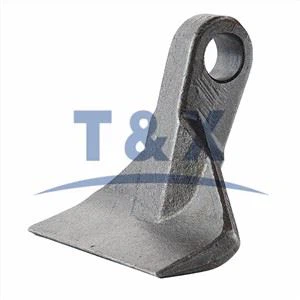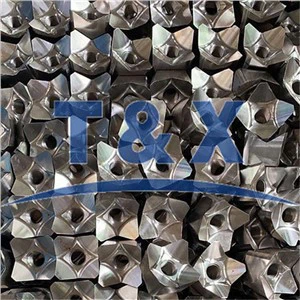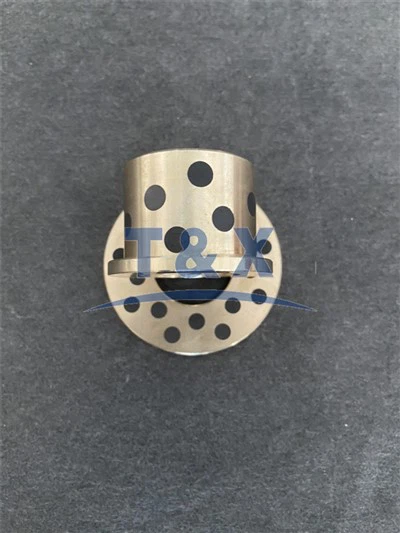

Hey there! As a supplier of Aluminum Forging Parts, I've got a ton of hands - on experience in this field. Today, I'm gonna share with you the machining requirements for aluminum forging parts.
First off, let's talk about the raw material. Aluminum is a great choice for forging parts due to its lightweight, high strength - to - weight ratio, and excellent corrosion resistance. But not all aluminum alloys are created equal. We need to pick the right alloy based on the specific application of the forging part. For instance, if the part needs to have high strength, alloys like 6061 or 7075 might be the way to go. On the other hand, if good formability is a priority, 5052 could be a better option.
When it comes to the forging process itself, temperature control is super crucial. Aluminum has a relatively low melting point compared to some other metals. During forging, we need to heat the aluminum to the right temperature range. If it's too hot, the aluminum can become too soft and might result in a part with poor mechanical properties. If it's too cold, the forging process might not be able to shape the part properly, leading to cracks or other defects. Usually, the forging temperature for most aluminum alloys is between 350°C and 500°C.
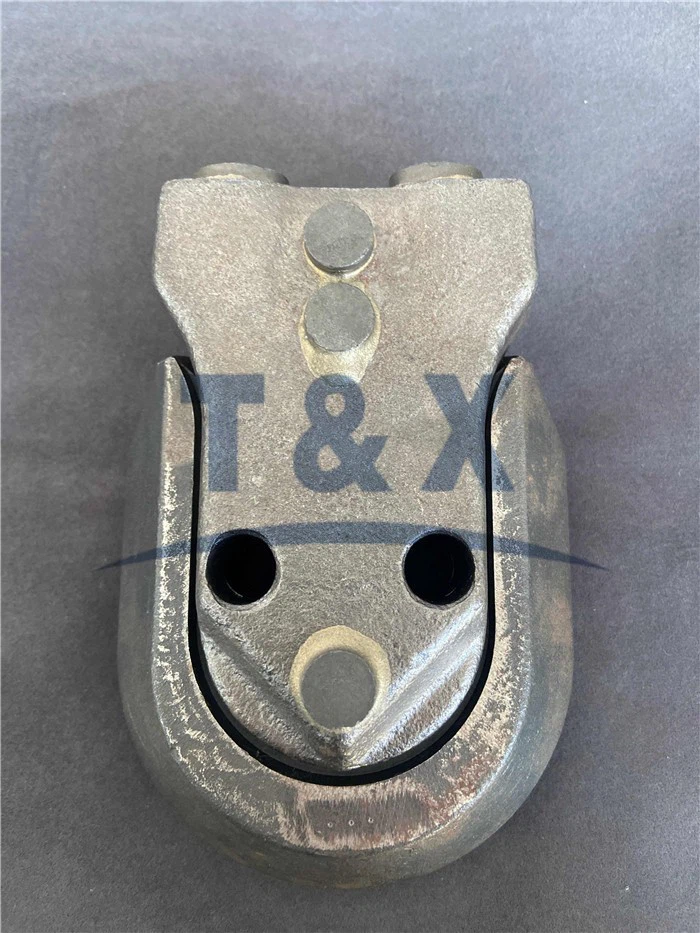
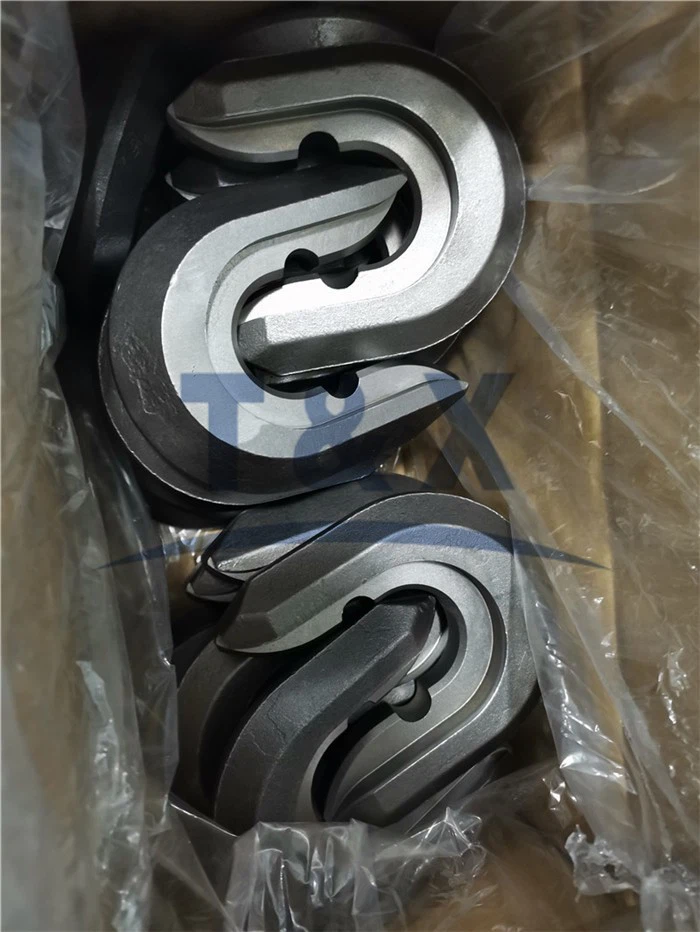
Another important aspect is the forging force. We need to apply just the right amount of force to shape the aluminum into the desired form. Too much force can cause the aluminum to crack or break, while too little force won't give us the accurate shape we need. This requires a lot of experience and precise control of the forging equipment.
After the forging is done, the machining process starts. One of the key machining requirements is surface finish. A good surface finish not only makes the part look better but also improves its functionality. For example, in applications where the part needs to slide against other components, a smooth surface finish reduces friction and wear. We use different machining techniques like milling, turning, and grinding to achieve the desired surface finish.
Tolerance is also a big deal. Tolerance refers to the allowable deviation from the specified dimensions of the part. In many industries, especially aerospace and automotive, tight tolerances are required. For aluminum forging parts, we need to ensure that the dimensions of the part are within the specified tolerance range. This might involve using high - precision machining tools and careful quality control during the machining process.
Now, let's touch on the heat treatment. Heat treatment can significantly improve the mechanical properties of aluminum forging parts. For example, solution heat treatment followed by aging can increase the strength and hardness of the part. However, heat treatment also needs to be carefully controlled. If the heat treatment process is not done correctly, it can cause distortion of the part or reduce its corrosion resistance.
In addition to these technical requirements, we also need to pay attention to the environmental aspects. Aluminum machining generates chips and waste. We need to have proper waste management systems in place to ensure that the waste is disposed of in an environmentally friendly way.
As a supplier of Aluminum Forging Parts, we've also developed some related products. Check out our Wearable Construction Tips WS39 Shoe Holder and Alloy Steel Forging Parts. These products are made with high - quality materials and strict machining requirements, just like our Aluminum Forging Parts. You can find more about our Aluminum Forging Parts on our website Aluminum Forging Parts.
If you're in the market for high - quality aluminum forging parts, we'd love to have a chat with you. Whether you have a specific design in mind or need some advice on the best alloy and machining process for your application, we're here to help. Reach out to us and let's start a great business partnership!
References:
- "Aluminum Forging Handbook"
- "Machining of Aluminum Alloys: Principles and Applications"
- Industry standards and guidelines for aluminum forging and machining