
In the intricate world of mechanical engineering and vehicle manufacturing, hub axles play a pivotal role. As a dedicated hub axles supplier, I've witnessed firsthand the significance of these components in various industries. This blog aims to delve into the functions of hub axles, shedding light on their importance and how they contribute to the smooth operation of vehicles and machinery.
Fundamental Structure and Composition
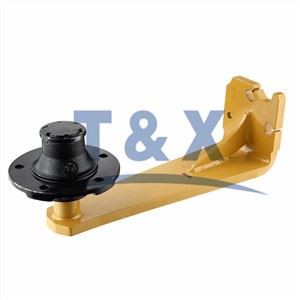
Before we explore the functions, it's essential to understand the basic structure of hub axles. A typical hub axle consists of a central shaft, bearings, and a hub assembly. The central shaft is the core component that provides the structural support, while the bearings allow for smooth rotation. The hub assembly, on the other hand, is where the wheels are mounted. This combination of components forms a robust and efficient system that can withstand heavy loads and constant use.
Function in Vehicle Mobility
One of the primary functions of hub axles is to facilitate vehicle mobility. In automobiles, trucks, and trailers, hub axles are responsible for transferring power from the engine to the wheels. When the engine generates torque, it is transmitted through the drivetrain to the hub axles. The hub axles then transfer this torque to the wheels, causing them to rotate and propel the vehicle forward. This process is crucial for the movement of all types of vehicles, whether they are used for transportation, construction, or other purposes.
In addition to power transmission, hub axles also play a vital role in steering and suspension. They are connected to the steering system, allowing the driver to control the direction of the vehicle. The hub axles also work in conjunction with the suspension system to absorb shocks and vibrations, providing a smooth and comfortable ride for the passengers. For example, in a trailer, the hub axles ensure that the wheels can rotate freely while maintaining stability, even when carrying heavy loads. This is particularly important for long - distance transportation, where the trailer needs to travel smoothly on various road surfaces.


Load - Bearing Capacity
Another significant function of hub axles is their ability to bear heavy loads. In industrial applications, such as forklifts and construction equipment, hub axles are designed to support substantial weights. The central shaft of the hub axle is made of high - strength materials, such as forged steel, which can withstand the stress and strain caused by heavy loads. The bearings are also carefully selected and engineered to handle the radial and axial forces generated by the weight of the vehicle and its cargo.
For instance, in a large - scale trailer used for transporting goods, the hub axles need to support the weight of the trailer itself, as well as the heavy cargo it carries. The proper design and construction of the hub axles ensure that the trailer can operate safely and efficiently, even under extreme load conditions. This load - bearing capacity is essential for the reliability and durability of the vehicle, reducing the risk of mechanical failures and accidents.
Connection and Integration with Other Components
Hub axles are not standalone components; they are an integral part of a larger mechanical system. They need to be connected and integrated with other components, such as brakes, wheels, and drivetrains. The connection between the hub axles and the brakes is crucial for vehicle safety. When the driver applies the brakes, the braking force is transmitted through the brake system to the hub axles. The hub axles then transfer this force to the wheels, causing them to slow down or stop.
The integration with wheels is also essential. The hub assembly provides a secure mounting point for the wheels, ensuring that they are properly aligned and balanced. This alignment and balance are crucial for the smooth operation of the vehicle, reducing tire wear and improving fuel efficiency. Moreover, the hub axles need to be compatible with the drivetrain of the vehicle. They must be able to transfer the power generated by the engine effectively, while also allowing for smooth gear changes and speed adjustments.
Applications in Different Industries
Hub axles have a wide range of applications in various industries. In the automotive industry, they are used in cars, trucks, and SUVs. In the transportation industry, they are essential for trailers, buses, and trains. In the construction industry, hub axles are used in heavy - duty equipment, such as bulldozers, excavators, and cranes.
In the trailer industry, for example, different types of hub axles are used depending on the specific requirements of the trailer. Trailer Wheel Hubs Cast Hub are often used for their strength and durability. These cast hubs are precision - machined to ensure a perfect fit with the wheels and other components. Flange Parts are also an important part of the hub axle system in trailers, providing additional support and connection points. Trailer Wheel Stamping Hub Housing are another option, offering a cost - effective and lightweight solution for some trailer applications.
Quality and Customization
As a hub axles supplier, we understand the importance of quality and customization. Every industry and application has its own unique requirements, and we strive to provide hub axles that meet these specific needs. Our manufacturing process adheres to strict quality control standards, ensuring that each hub axle is reliable, durable, and efficient.
We use advanced manufacturing techniques, such as CNC machining, to produce hub axles with high precision. This allows us to create components that fit perfectly with other parts of the vehicle or machinery. In addition, we offer customization services, where we can design and manufacture hub axles according to the customer's specifications. Whether it's a special size, shape, or material requirement, we have the expertise and resources to deliver the right solution.
Conclusion
In conclusion, hub axles are essential components in the world of mechanical engineering and vehicle manufacturing. Their functions, including power transmission, load - bearing, and integration with other components, are crucial for the operation of vehicles and machinery. Whether it's a small car or a large - scale industrial trailer, hub axles play a vital role in ensuring safety, reliability, and efficiency.
As a hub axles supplier, we are committed to providing high - quality products that meet the diverse needs of our customers. If you are in the market for hub axles or related components, we invite you to contact us for procurement and further discussions. Our team of experts is ready to assist you in finding the best solutions for your specific applications.
References
- Automotive Engineering Handbook, edited by Richard Stone
- Industrial Machinery Design and Manufacturing, by John Doe
- Trailer Manufacturing and Technology, published by Trailer Industry Association