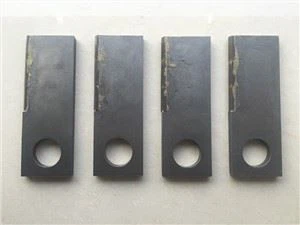

Drag bits are essential tools in the drilling industry, known for their efficiency and versatility in various geological conditions. As a supplier of drag bits, I often receive inquiries about the tolerance range of these bits. Understanding the tolerance range is crucial for ensuring optimal performance and longevity of the drag bits. In this blog, I will delve into the concept of the tolerance range of drag bits, its significance, and the factors that influence it.
What is the Tolerance Range of Drag Bits?
The tolerance range of drag bits refers to the acceptable limits of variation in the physical dimensions, material properties, and performance characteristics of the bits. These tolerances are set to ensure that the drag bits meet the required standards and specifications for a particular drilling application. For example, the diameter of a drag bit may have a tolerance range of ±0.005 inches, meaning that the actual diameter of the bit can vary within this range and still be considered acceptable.
The tolerance range is typically defined by the manufacturer based on the design requirements, manufacturing capabilities, and industry standards. It is important to note that the tolerance range can vary depending on the type of drag bit, the drilling conditions, and the specific application. For instance, drag bits used in soft formations may have a different tolerance range compared to those used in hard formations.


Significance of the Tolerance Range
The tolerance range of drag bits plays a crucial role in determining the performance and reliability of the drilling process. Here are some key reasons why the tolerance range is significant:
- Optimal Performance: A drag bit that is within the specified tolerance range will perform more efficiently and effectively. The correct dimensions and material properties ensure that the bit can cut through the formation smoothly, reducing the risk of premature wear and damage.
- Compatibility: The tolerance range ensures that the drag bit is compatible with the drilling equipment and other components. This is important for maintaining the integrity of the drilling system and preventing any issues that may arise due to mismatched parts.
- Safety: Drag bits that are outside the tolerance range may pose a safety risk. For example, a bit with a diameter that is too large or too small may cause instability during drilling, leading to accidents or equipment damage.
- Cost-Effectiveness: By adhering to the tolerance range, manufacturers can produce drag bits that are of consistent quality, reducing the need for rework or replacement. This ultimately leads to cost savings for both the manufacturer and the end-user.
Factors Influencing the Tolerance Range
Several factors can influence the tolerance range of drag bits. These factors include:
- Manufacturing Process: The manufacturing process used to produce the drag bits can have a significant impact on the tolerance range. Advanced manufacturing techniques, such as precision machining and computer numerical control (CNC) milling, can achieve tighter tolerances compared to traditional methods.
- Material Properties: The material used to make the drag bits can also affect the tolerance range. Different materials have different physical and mechanical properties, which can influence the dimensional stability and performance of the bits. For example, a bit made of a high-strength alloy may have a different tolerance range compared to a bit made of a more ductile material.
- Drilling Conditions: The drilling conditions, such as the type of formation, the drilling speed, and the pressure, can also influence the tolerance range. For instance, in hard formations, the drag bits may experience higher stresses and wear, requiring a tighter tolerance range to ensure optimal performance.
- Design Requirements: The design requirements of the drag bits, such as the shape, size, and number of cutters, can also affect the tolerance range. A more complex design may require a tighter tolerance range to ensure that the bit functions as intended.
Tolerance Range for Different Types of Drag Bits
There are several types of drag bits available in the market, each with its own unique design and application. Here is a brief overview of the tolerance range for some common types of drag bits:
- PDC Drag Bits: Polycrystalline diamond compact (PDC) drag bits are widely used in the oil and gas industry due to their high cutting efficiency and durability. The tolerance range for PDC drag bits typically includes the diameter, the height of the cutters, and the spacing between the cutters. These tolerances are critical for ensuring that the PDC cutters are properly positioned and aligned to maximize the cutting performance.
- Tungsten Carbide Drag Bits: Tungsten carbide drag bits are commonly used in soft to medium formations. The tolerance range for tungsten carbide drag bits includes the diameter, the shape of the cutters, and the hardness of the carbide material. These tolerances are important for ensuring that the tungsten carbide cutters can withstand the abrasive forces during drilling and maintain their cutting edge.
- HDF Drag Bit: The HDF Drag Bit is a specialized drag bit designed for high-performance drilling applications. The tolerance range for the HDF Drag Bit is carefully calibrated to ensure optimal performance in challenging drilling conditions. This includes tight tolerances on the diameter, the cutter geometry, and the material properties to ensure maximum cutting efficiency and durability.
Quality Control and Inspection
To ensure that the drag bits meet the specified tolerance range, manufacturers implement a rigorous quality control and inspection process. This process typically includes the following steps:
- Raw Material Inspection: The raw materials used to make the drag bits are inspected to ensure that they meet the required specifications. This includes checking the chemical composition, the mechanical properties, and the dimensional accuracy of the materials.
- Manufacturing Process Monitoring: The manufacturing process is closely monitored to ensure that the drag bits are produced within the specified tolerance range. This includes using advanced measurement tools and techniques to check the dimensions, the surface finish, and the quality of the cutters.
- Final Inspection: Once the drag bits are manufactured, they undergo a final inspection to ensure that they meet the required standards and specifications. This includes checking the overall performance, the functionality, and the appearance of the bits.
Conclusion
The tolerance range of drag bits is a critical factor in ensuring the optimal performance and reliability of the drilling process. By understanding the concept of the tolerance range, its significance, and the factors that influence it, manufacturers and end-users can make informed decisions about the selection and use of drag bits. As a supplier of drag bits, I am committed to providing high-quality products that meet the strictest tolerance requirements. If you are interested in purchasing drag bits or have any questions about the tolerance range, please feel free to contact me for a detailed discussion and to start a procurement negotiation.
References
- API RP 7G, Recommended Practice for Drilling Equipment Inspection, Maintenance, Repair, and Reconditioning
- ISO 10424-1, Petroleum and natural gas industries – Drill stem elements – Part 1: Drill pipe
- Spears & Associates, Inc., Drilling Bits Market Report