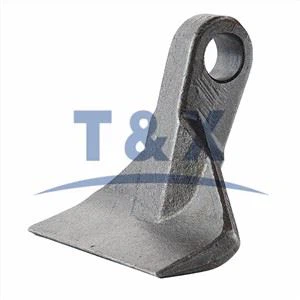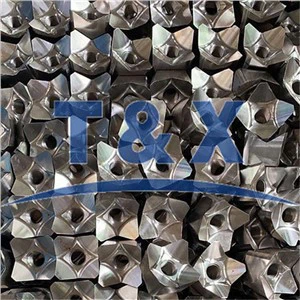

In the ever - evolving landscape of road construction and maintenance, the quest for eco - friendly solutions has become a top priority. As a supplier of Road Milling Bits, I am often asked if there are any eco - friendly options available in the market. In this blog post, I will delve into this topic, exploring the current state of eco - friendly road milling bits, their benefits, challenges, and what the future holds for this crucial aspect of the industry.
The Need for Eco - Friendly Road Milling Bits
Road milling, also known as pavement milling, is a process used to remove the top layer of asphalt or concrete from a road surface. It is an essential step in road repair, resurfacing, and recycling. Traditional road milling bits have been effective in getting the job done, but they come with a significant environmental cost.
The production of conventional milling bits often involves energy - intensive processes and the use of non - renewable resources. Moreover, the wear and tear of these bits during operation can lead to the release of harmful particles into the environment. These particles can contribute to air pollution, which has a detrimental impact on human health and the ecosystem.
In addition, the disposal of worn - out milling bits is another environmental concern. Many end up in landfills, where they take up space and may leach harmful substances into the soil and groundwater over time. Given these issues, there is a growing demand for eco - friendly alternatives that can reduce the environmental footprint of road milling operations.
Current State of Eco - Friendly Road Milling Bits
Thankfully, the industry has recognized the need for eco - friendly solutions, and there are indeed some options available in the market. One approach is the use of recycled materials in the manufacturing of road milling bits. By incorporating recycled metals and other materials, manufacturers can reduce the demand for virgin resources and minimize the energy consumption associated with production.

Some companies are also exploring the use of sustainable manufacturing processes. For example, they are adopting advanced heat - treatment techniques that require less energy and produce fewer emissions. These processes not only make the manufacturing of milling bits more eco - friendly but also improve the quality and durability of the final product.
Asphalt Milling Bits are one category where eco - friendly options are emerging. Some asphalt milling bits are designed to be more efficient, reducing the amount of time and energy required for road milling operations. This, in turn, leads to lower fuel consumption and fewer emissions from milling machines.
Benefits of Eco - Friendly Road Milling Bits
The benefits of using eco - friendly road milling bits extend beyond environmental protection. From a business perspective, they can offer several advantages.
Cost Savings
Although the initial cost of eco - friendly milling bits may be slightly higher than traditional ones, they can lead to long - term cost savings. Their improved durability means that they need to be replaced less frequently, reducing the overall cost of road milling operations. Additionally, the energy - efficient design of some eco - friendly bits can result in lower fuel consumption, which translates into significant savings over time.
Enhanced Reputation
In today's environmentally conscious society, companies that adopt eco - friendly practices are more likely to be viewed favorably by customers, investors, and the general public. By using eco - friendly road milling bits, road construction and maintenance companies can enhance their reputation as responsible and sustainable businesses.
Regulatory Compliance
As governments around the world implement stricter environmental regulations, using eco - friendly road milling bits can help companies stay in compliance. This can prevent costly fines and legal issues, ensuring the smooth operation of road milling projects.
Challenges in the Adoption of Eco - Friendly Road Milling Bits
Despite the many benefits, there are still some challenges that need to be overcome for the widespread adoption of eco - friendly road milling bits.
Awareness and Education
One of the main challenges is the lack of awareness and education among road construction and maintenance professionals. Many are not familiar with the availability and benefits of eco - friendly options, and may be hesitant to switch from traditional milling bits. Manufacturers and suppliers need to invest in marketing and educational campaigns to increase awareness and promote the use of eco - friendly products.
Performance Concerns
Some professionals may have concerns about the performance of eco - friendly road milling bits. They may worry that the use of recycled materials or alternative manufacturing processes could compromise the quality and effectiveness of the bits. To address these concerns, manufacturers need to conduct rigorous testing and provide performance data to demonstrate that eco - friendly bits can meet or exceed the performance of traditional ones.
Higher Initial Cost
As mentioned earlier, the initial cost of eco - friendly milling bits can be a deterrent for some companies. To encourage adoption, manufacturers may need to find ways to reduce the cost of production, such as through economies of scale or government incentives.
The Future of Eco - Friendly Road Milling Bits
The future looks promising for eco - friendly road milling bits. As technology continues to advance, we can expect to see even more innovative and sustainable solutions in the market.
New Materials and Designs
Researchers are constantly exploring new materials and designs for road milling bits. For example, the use of advanced composites and nanomaterials may offer improved performance and durability while reducing the environmental impact. These new materials could also be more easily recycled at the end of their life cycle.
Integration with Smart Technologies
The integration of road milling bits with smart technologies is another area of development. Smart bits could be equipped with sensors to monitor their performance and wear in real - time. This information could be used to optimize milling operations, reduce energy consumption, and extend the lifespan of the bits.
Industry Standards and Certification
As the demand for eco - friendly road milling bits grows, there will likely be a need for industry standards and certification programs. These standards can help ensure the quality and environmental performance of eco - friendly products, making it easier for companies to make informed purchasing decisions.
Conclusion
In conclusion, there are indeed eco - friendly road milling bits available in the market, and they offer a range of benefits for both the environment and businesses. While there are still some challenges to overcome, the future looks bright for this sector. As a supplier of Road Milling Bits, I am committed to promoting the use of eco - friendly options and working with our customers to find the best solutions for their road milling needs.
If you are interested in learning more about our eco - friendly road milling bits or would like to discuss your specific requirements, please feel free to reach out. We are here to assist you in making the switch to a more sustainable and efficient road milling solution.
References
- "Sustainable Road Construction: A Review of Current Practices and Future Trends" by [Author Name], Journal of Sustainable Construction, [Year]
- "The Environmental Impact of Road Milling Operations" by [Author Name], Environmental Science and Technology, [Year]
- "Advancements in Road Milling Bit Technology" by [Author Name], International Journal of Road Engineering, [Year]