

Are you about to embark on the task of sharpening tree saw teeth for the first time? As a reliable supplier of Tree Saw Teeth, I've seen my fair share of DIY enthusiasts and professional arborists take on this challenge. In this blog, I'll walk you through some essential guidelines to ensure you get the job done safely and effectively.
Understanding Your Tree Saw Teeth
Before you start sharpening, it's crucial to understand the different types of tree saw teeth and their functions. There are two main types of saw teeth commonly used in tree saws: crosscut teeth and ripping teeth. Crosscut teeth are designed to cut across the grain of the wood, while ripping teeth are used for cutting along the grain.
Crosscut teeth usually have a sharp angle and are serrated to facilitate a clean and smooth cut across the wood fibers. Ripping teeth, on the other hand, are typically more robust and have a shallower angle, allowing them to quickly remove material as they cut along the grain. Knowing which type of teeth your saw has will help you choose the appropriate sharpening technique.
Assessing the Condition of the Teeth
The first step in sharpening your tree saw teeth is to assess their condition. Look closely at each tooth for signs of damage, such as chips, cracks, or excessive wear. If a tooth is severely damaged, it may need to be replaced rather than sharpened. You can find high - quality replacement Wearable Alloy Steel Saw Tooth on our website.
In addition to visible damage, check the sharpness of the teeth. A simple way to do this is to run your finger gently along the edge of the teeth (be extremely careful not to cut yourself). If the teeth feel dull or don't catch slightly on your skin, it's time to sharpen them.
Gathering the Necessary Tools
To sharpen your tree saw teeth, you'll need a few essential tools. These include a small file, a saw vise, and a tooth gauge. A small file is used to sharpen the blade, and a saw vise helps to hold the saw firmly in place during the sharpening process. A tooth gauge ensures that each tooth is sharpened to the correct angle.
Some people also find it helpful to use a Tree Saw Teeth Holder. This tool provides additional stability and makes it easier to access each tooth evenly.
Removing the Saw Blade
Before you start sharpening, you must remove the saw blade from the saw. This not only makes the sharpening process safer but also allows you to access the teeth more easily. Follow the manufacturer's instructions to safely remove the blade. Make sure to disconnect the saw from any power source and use appropriate safety equipment, such as gloves and safety glasses.
Setting Up the Saw in the Vise
Once the blade is removed, place it in the saw vise. Make sure the blade is securely clamped in place so that it doesn't move during the sharpening process. The vise should hold the blade firmly but not so tightly that it causes damage.
Using the Tooth Gauge
The tooth gauge is an important tool that helps you maintain the correct angle while sharpening the teeth. First, adjust the tooth gauge to match the angle of the teeth on your saw. This angle can vary depending on the type of saw and the intended use.
Place the tooth gauge over the tooth you're about to sharpen. The gauge will act as a guide for the file, ensuring that you sharpen the tooth at the correct angle. This step is crucial for achieving a sharp and effective cutting edge.

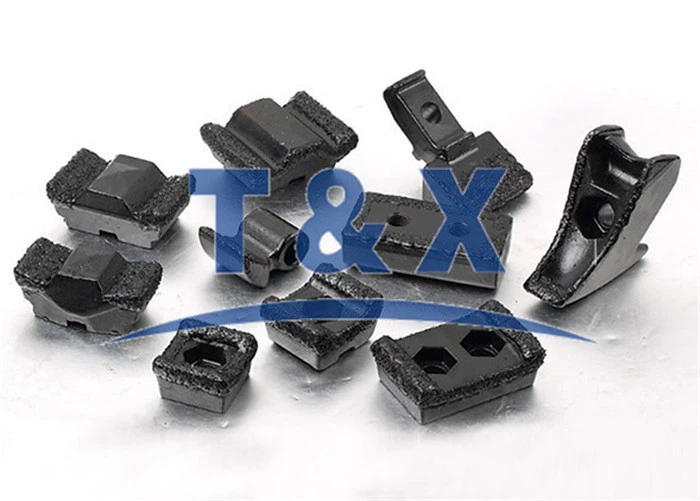
Sharpening the Teeth
To start sharpening, position the file against the edge of the tooth at the angle set by the tooth gauge. Use a smooth, even stroke, pushing the file away from your body. Make sure to apply consistent pressure throughout the stroke.
Sharpen each tooth one by one, following the same pattern and angle. It's important to maintain a consistent sharpening technique for all the teeth. This will ensure that the saw cuts evenly and smoothly.
As you sharpen, check the tooth periodically to see if it has reached the desired sharpness. You can do this by running your finger gently (with caution) along the edge of the tooth. If you feel a burr, you can gently remove it with a honing stone.
Maintaining the Rake Angle
In addition to the cutting angle, it's also important to maintain the rake angle of the teeth. The rake angle is the angle at which the tooth slopes forward. A proper rake angle helps the saw to cut more efficiently.
You can adjust the rake angle using the file. If the rake angle is too large, the saw may cut too aggressively and be difficult to control. If it's too small, the saw may not cut effectively. Refer to the saw's manual or look online for the recommended rake angle for your specific saw.
Testing the Saw
Once you've sharpened all the teeth, it's time to test the saw. Reinstall the blade on the saw following the manufacturer's instructions. Make sure all the connections are secure and the blade is properly aligned.
Before using the saw on a tree, make a few test cuts on a small piece of scrap wood. Pay attention to how the saw cuts. A sharp saw should cut smoothly and easily through the wood without binding or skipping. If you notice any issues, such as the saw not cutting straight or catching on the wood, you may need to go back and re - check the sharpness and angle of the teeth.
Safety Precautions
Sharpening tree saw teeth can be dangerous if not done correctly. Always wear safety glasses to protect your eyes from flying metal particles. Wear gloves to protect your hands from cuts.
Keep the work area clean and organized. Make sure the saw vise and other tools are properly secured. Avoid distractions while sharpening to prevent accidents.
Conclusion
Sharpening tree saw teeth for the first time can seem like a daunting task, but by following these guidelines, you can achieve great results. Understanding your saw teeth, assessing their condition, using the right tools, and following proper safety procedures are all key steps in the process.
If you're in the market for high - quality tree saw teeth or related accessories, we're here to help. We offer a wide range of Tree Saw Teeth that are designed for durability and performance. Whether you're a professional arborist or a DIY enthusiast, our products can meet your needs.
If you have any questions about our products or the sharpening process, feel free to reach out for a discussion. We're always happy to assist you in making the right choice for your tree saw needs.
References
- Woodworking Machinery and Tools Handbook
- Arborist's Guide to Saw Maintenance