


As a seasoned supplier of Mulcher Parts, I've witnessed firsthand the challenges that operators face when it comes to reducing the wear and tear of their mulcher components. Mulching is a demanding task, and the parts endure significant stress, which can lead to premature failure and increased costs. In this blog, I'll share some valuable tips that can help you extend the lifespan of your mulcher parts and keep your operations running smoothly.
Understanding the Causes of Wear and Tear
Before we delve into the tips, it's essential to understand the primary causes of wear and tear in mulcher parts. The most common factors include:
- Abrasion: The constant contact between the mulcher parts and the material being mulched, such as wood, brush, and rocks, causes abrasion. This friction gradually wears down the surfaces of the parts, reducing their effectiveness and lifespan.
- Impact: Mulching often involves hitting hard objects, such as rocks or tree stumps, which can cause significant impact damage to the parts. This can lead to cracks, chips, and other forms of damage that can compromise the integrity of the components.
- Corrosion: Exposure to moisture, chemicals, and other environmental factors can cause corrosion in mulcher parts. This can weaken the parts and make them more susceptible to wear and tear.
- Improper Use: Using the mulcher incorrectly, such as overloading it or using it on inappropriate materials, can also contribute to premature wear and tear.
Tips for Reducing Wear and Tear
Now that we understand the causes of wear and tear, let's explore some practical tips for reducing it:
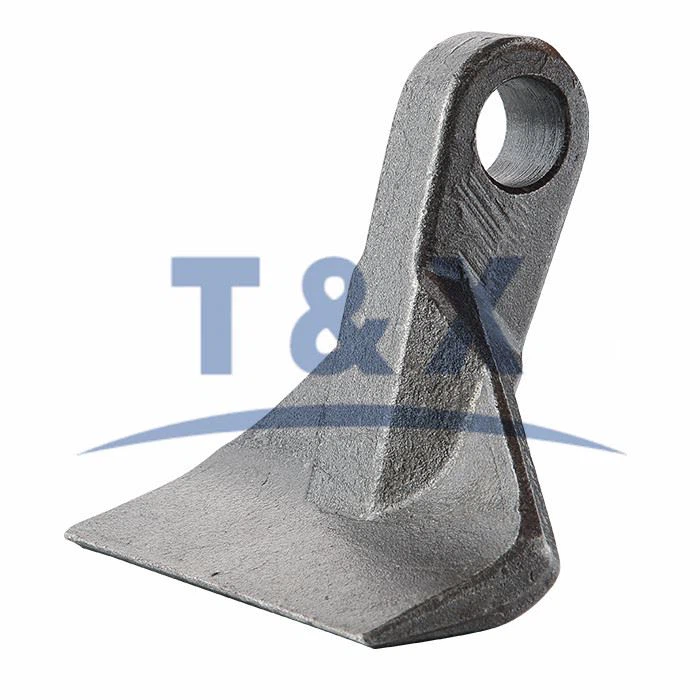
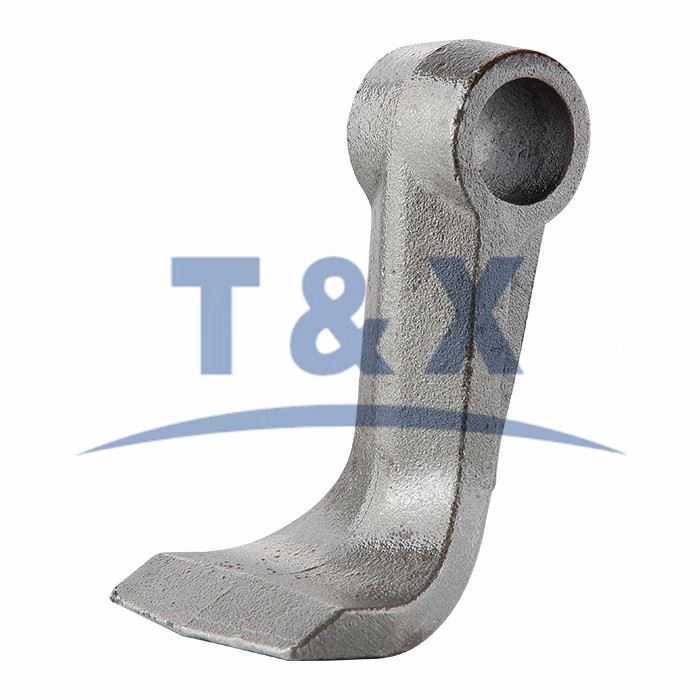
1. Choose the Right Parts
One of the most important steps in reducing wear and tear is to choose the right mulcher parts for your specific application. Different types of mulching tasks require different types of parts, so it's crucial to select components that are designed to withstand the demands of your work. For example, if you're mulching hard wood or rocky terrain, you'll need parts that are made from high-quality, durable materials. At our company, we offer a wide range of Mulcher Teeth Holders and Land Mulcher Teeth that are designed to provide maximum performance and durability in various conditions.
2. Maintain Proper Maintenance
Regular maintenance is essential for keeping your mulcher parts in good condition and reducing wear and tear. This includes cleaning the parts after each use to remove dirt, debris, and other contaminants that can cause abrasion and corrosion. You should also inspect the parts regularly for signs of damage, such as cracks, chips, or excessive wear, and replace any worn or damaged components promptly. Additionally, lubricating the moving parts of the mulcher can help reduce friction and wear, extending the lifespan of the components.
3. Operate the Mulcher Correctly
Operating the mulcher correctly is another crucial factor in reducing wear and tear. This includes following the manufacturer's instructions for use, such as not overloading the machine or using it on inappropriate materials. You should also avoid hitting hard objects, such as rocks or tree stumps, as this can cause significant damage to the parts. When mulching, it's important to maintain a consistent speed and feed rate to ensure that the parts are not subjected to excessive stress.
4. Use High-Quality Materials
Using high-quality materials in your mulcher parts can also help reduce wear and tear. High-quality materials are more durable and resistant to abrasion, impact, and corrosion, which can extend the lifespan of the components. At our company, we use only the highest quality materials in our Forged Tungsten Carbide Brazed Forestry Mulcher Tooth and other mulcher parts to ensure that they provide maximum performance and durability.
5. Replace Parts at the Right Time
Replacing worn or damaged parts at the right time is crucial for preventing further damage and reducing wear and tear on the remaining components. It's important to follow the manufacturer's recommendations for part replacement intervals and to replace any parts that show signs of excessive wear or damage as soon as possible. This can help prevent more significant problems from occurring and can save you money in the long run.
6. Store the Mulcher Properly
Storing the mulcher properly when it's not in use can also help reduce wear and tear. This includes keeping the machine in a dry, protected area to prevent corrosion and damage from the elements. You should also cover the mulcher to protect it from dust, dirt, and other contaminants. Additionally, storing the mulcher with the blades or teeth in a neutral position can help prevent unnecessary stress on the parts.
Conclusion
Reducing the wear and tear of mulcher parts is essential for maintaining the performance and longevity of your equipment. By following the tips outlined in this blog, you can extend the lifespan of your mulcher parts, reduce downtime, and save money on replacement costs. At our company, we're committed to providing high-quality mulcher parts and excellent customer service. If you have any questions or need assistance with selecting the right parts for your application, please don't hesitate to contact us. We're here to help you keep your mulching operations running smoothly.
If you're interested in learning more about our Mulcher Parts or would like to discuss your specific needs, please reach out to us. Our team of experts is ready to assist you with your procurement and answer any questions you may have. We look forward to the opportunity to work with you and help you optimize your mulching operations.
References
- Manufacturer's manuals for mulching equipment
- Industry research on mulcher part wear and tear
- Personal experience as a Mulcher Parts supplier


