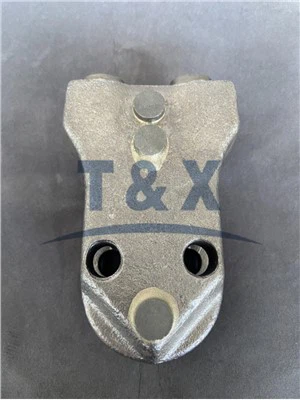

Wear-resistant characteristics are crucial for drilling parts, as they directly impact the efficiency, durability, and cost-effectiveness of drilling operations. As a leading supplier of drilling parts, we understand the importance of these characteristics and strive to provide high-quality products that meet the diverse needs of our customers. In this blog post, we will explore the key wear-resistant characteristics of good drilling parts and how they contribute to the overall performance of drilling equipment.
Material Selection
The choice of material is the foundation of wear resistance in drilling parts. High-quality drilling parts are typically made from materials with excellent hardness, toughness, and corrosion resistance. Some of the commonly used materials include:
- Carbide: Carbide is a popular choice for drilling parts due to its exceptional hardness and wear resistance. It is made by combining tungsten carbide particles with a binder metal, such as cobalt. Carbide inserts are often used in drill bits, augers, and other cutting tools to provide long-lasting cutting edges.
- High-Speed Steel (HSS): HSS is a type of tool steel that contains high amounts of carbon, chromium, vanadium, and other alloying elements. It offers good hardness, toughness, and heat resistance, making it suitable for a wide range of drilling applications. HSS drill bits are commonly used in general-purpose drilling and can be used on various materials, including metal, wood, and plastic.
- Stainless Steel: Stainless steel is a corrosion-resistant alloy that contains chromium, nickel, and other elements. It is often used in drilling parts that are exposed to harsh environments or corrosive substances. Stainless steel drill bits and other components are commonly used in the food processing, chemical, and marine industries.
Surface Treatments
In addition to material selection, surface treatments can also enhance the wear resistance of drilling parts. Some of the common surface treatments used in the manufacturing of drilling parts include:
- Coating: Coating is a process of applying a thin layer of material onto the surface of a drilling part to improve its wear resistance, corrosion resistance, and lubricity. Some of the commonly used coatings include titanium nitride (TiN), titanium carbonitride (TiCN), and aluminum titanium nitride (AlTiN). These coatings can significantly extend the lifespan of drilling parts and improve their cutting performance.
- Hardening: Hardening is a heat treatment process that increases the hardness and wear resistance of a drilling part. It involves heating the part to a high temperature and then quenching it in a cooling medium, such as oil or water. Hardening can improve the strength and durability of drilling parts and make them more resistant to wear and deformation.
- Shot Peening: Shot peening is a process of bombarding the surface of a drilling part with small metal shots to create compressive stresses. This can improve the fatigue resistance and wear resistance of the part by reducing the likelihood of cracks and other surface defects.
Design and Geometry
The design and geometry of drilling parts also play an important role in their wear resistance. A well-designed drilling part should have a shape and structure that minimizes friction and wear, while maximizing cutting efficiency. Some of the key design features that can enhance the wear resistance of drilling parts include:
- Cutting Edge Geometry: The cutting edge geometry of a drill bit or other cutting tool can significantly affect its wear resistance and cutting performance. A sharp cutting edge with a proper rake angle and clearance angle can reduce friction and wear, while improving the chip removal rate.
- Flute Design: The flute design of a drill bit or auger can also impact its wear resistance and cutting efficiency. A well-designed flute can help to remove chips from the cutting area and prevent them from clogging the drill bit, which can reduce wear and improve the overall performance of the drilling operation.
- Body Design: The body design of a drilling part can also affect its wear resistance and durability. A strong and rigid body can help to withstand the forces and stresses generated during drilling, while a lightweight design can reduce the energy consumption and improve the maneuverability of the drilling equipment.
Application-Specific Considerations
The wear-resistant characteristics of drilling parts can also vary depending on the specific application. Different drilling operations require different types of drilling parts with specific wear-resistant characteristics. For example:
- Rock Drilling: In rock drilling applications, drilling parts need to be highly wear-resistant to withstand the abrasive nature of the rock. Carbide inserts and other high-hardness materials are commonly used in rock drill bits to provide long-lasting cutting edges.
- Soil Drilling: In soil drilling applications, drilling parts need to be able to penetrate the soil easily and efficiently. Auger bits and other types of soil drilling tools are designed with specific geometries and features to optimize their performance in different soil conditions.
- Industrial Drilling: In industrial drilling applications, drilling parts need to be able to withstand high temperatures, pressures, and other harsh conditions. Specialized coatings and materials are often used in industrial drill bits and other components to provide enhanced wear resistance and performance.
Our Product Offerings
As a leading supplier of drilling parts, we offer a wide range of high-quality products that are designed to meet the diverse needs of our customers. Our product offerings include:
- Auger Boring Head: Our auger boring heads are designed to provide efficient and reliable performance in a variety of drilling applications. They are made from high-quality materials and feature advanced designs and geometries to optimize their wear resistance and cutting efficiency.
- Auger Pilot Bits: Our auger pilot bits are designed to provide accurate and precise drilling in a variety of soil conditions. They are made from high-quality materials and feature advanced designs and geometries to optimize their wear resistance and cutting efficiency.
- Trencher Hard Faced Teeth: Our trencher hard faced teeth are designed to provide long-lasting performance in a variety of trenching applications. They are made from high-quality materials and feature advanced designs and geometries to optimize their wear resistance and cutting efficiency.
Contact Us for Procurement
If you are in the market for high-quality drilling parts with excellent wear-resistant characteristics, we invite you to contact us for procurement. Our team of experts can help you select the right drilling parts for your specific application and provide you with the support and guidance you need to ensure the success of your drilling operations. We are committed to providing our customers with the highest level of quality and service, and we look forward to working with you.


References
-ASM Handbook Volume 4: Heat Treating. ASM International, 1991.
- Machinery's Handbook. Industrial Press, 2012.
- Advanced Machining Processes. CRC Press, 2018.