
Yo, folks! As a supplier of wood grinder parts, I get asked a ton of questions about these pieces of machinery. One question that pops up pretty often is, "Do wood grinder parts require calibration?" Today, I'm gonna dive into this topic and share my thoughts based on years in the biz.
First off, let's understand what calibration is all about. Calibration is basically the process of adjusting a tool or instrument to make sure it's working at its best, giving accurate results. In the case of wood grinder parts, calibration can involve setting the right clearances, adjusting the speed, or making sure the cutting edges are in the perfect position.
Now, when it comes to wood grinder parts, calibration isn't always a must - but it's super beneficial in many situations. Let's take a look at some key wood grinder parts and see how calibration might come into play.


1. Hammers
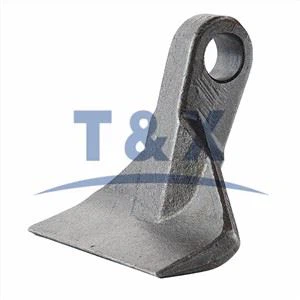
Hammers are a crucial part of a wood grinder. They're the ones doing the heavy - lifting (or should I say, heavy - hitting) to break down the wood. Carbide Brazed Hammers are a popular choice because of their durability and sharp cutting edges.
If these hammers aren't calibrated correctly, you might end up with uneven grinding. For example, if the hammers are hitting the wood at different angles or with different forces, some parts of the wood will be over - ground while others will barely be touched. This not only affects the quality of the ground wood but can also put extra stress on the grinder itself. Calibrating the hammers involves setting them at the right distance from the grinding chamber and making sure they rotate evenly.
2. Grinder Tips
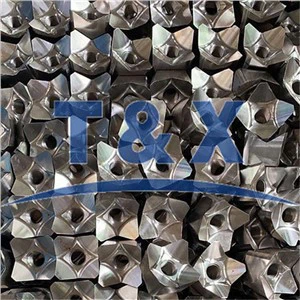
Hard Faced Grinder Tips are another important component. These tips are designed to cut through the wood efficiently. Over time, they can wear down, and if they're not calibrated, they won't cut as well.
A mis - calibrated grinder tip might not make proper contact with the wood. This can lead to a slower grinding process and may cause the wood to jam in the grinder. Regular calibration can ensure that the grinder tips are in the correct position to cut through the wood smoothly and effectively.
3. Tungsten Carbide Grit Grinder Hammer
The Tungsten Carbide Grit Grinder Hammer is known for its toughness and ability to handle tough wood materials. But even these high - performance hammers need calibration.
The calibration of these hammers can impact the particle size of the ground wood. If the hammer is calibrated too close to the screen, the wood particles will be smaller. On the other hand, if it's too far away, the particles will be larger. Depending on your end - use for the ground wood, you'll need to calibrate the hammer accordingly. For example, if you're using the ground wood for mulch, you might want a larger particle size, while for wood pellets, a smaller size is preferred.
Reasons for Calibration
- Improved Efficiency: When wood grinder parts are calibrated, the grinder can work more efficiently. It uses less energy to grind the same amount of wood, which means lower operating costs for you. For instance, if the hammers and tips are calibrated correctly, they cut through the wood with less resistance, reducing the strain on the motor.
- Better Quality Output: You'll get a more consistent and high - quality output. Whether you're grinding wood for landscaping or industrial purposes, calibrated parts ensure that the wood is ground to the right size and shape.
- Longer Lifespan of Parts: Calibration can also extend the lifespan of your wood grinder parts. When parts are working within their optimal parameters, they experience less wear and tear. For example, if the hammers are hitting the wood at the correct angle, they won't chip or break as easily.
When to Calibrate
So, when should you calibrate your wood grinder parts? Well, it depends on a few factors.
- Regular Maintenance: I recommend calibrating your parts as part of your regular maintenance schedule. This could be every few months or after a certain number of operating hours, depending on how often you use the grinder.
- After Repairs or Replacements: If you've replaced a key part of the grinder, like a hammer or a tip, you should calibrate the new part to make sure it's working in harmony with the rest of the machine.
- When Output Quality Drops: If you notice that the quality of the ground wood has decreased, or if the grinder seems to be working harder than usual, it might be time for a calibration.
How to Calibrate
Calibrating wood grinder parts can be a bit technical, but with the right tools and knowledge, it's doable. You can follow the manufacturer's instructions that come with the grinder. If you're not confident doing it yourself, you can hire a professional technician. They have the experience and tools to calibrate the parts accurately.
In conclusion, while not all wood grinder parts absolutely require calibration all the time, it's a good idea to consider it for optimal performance. Whether you're running a small - scale wood - grinding operation or a large industrial setup, calibrated parts can save you time, money, and headaches in the long run.
If you're in the market for high - quality wood grinder parts or have questions about calibration, don't hesitate to reach out. I'd be more than happy to help you find the right parts for your needs and offer advice on calibration. Let's get your wood grinder running at its best!
References:
- Industry knowledge from years of experience as a wood grinder parts supplier.
- Technical manuals from various wood grinder manufacturers.