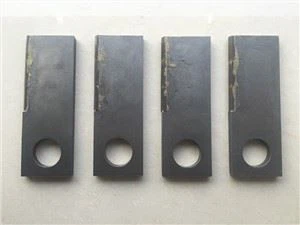

Reading the specifications of tree saw parts is a crucial skill for anyone involved in the tree saw industry, whether you're a professional arborist, a maintenance worker, or a supplier like myself. As a Tree Saw Parts supplier, I understand the importance of accurately interpreting these specifications to ensure that customers get the right parts for their needs. In this blog post, I'll share some insights on how to read the specifications of tree saw parts effectively.
Understanding the Basics
Before diving into the details of tree saw part specifications, it's essential to have a basic understanding of the different components that make up a tree saw. The main parts of a tree saw typically include the blade, teeth, motor, chain, and housing. Each of these parts has its own set of specifications that are designed to ensure optimal performance and compatibility.
Blade Specifications
The blade is one of the most critical parts of a tree saw, as it is responsible for cutting through the wood. When reading the specifications of a tree saw blade, there are several key factors to consider:
- Length: The length of the blade determines the maximum cutting capacity of the saw. Longer blades are typically used for larger trees, while shorter blades are more suitable for smaller branches.
- Width: The width of the blade affects the stability and cutting efficiency of the saw. Wider blades generally provide more stability, but they may also require more power to operate.
- Thickness: The thickness of the blade influences its strength and durability. Thicker blades are more resistant to bending and breaking, but they may also be heavier and more difficult to maneuver.
- Tooth Configuration: The tooth configuration of the blade refers to the shape and arrangement of the teeth. Different tooth configurations are designed for specific types of cutting, such as ripping, crosscutting, or pruning.
Tooth Specifications
The teeth of a tree saw blade are what actually do the cutting, so it's important to understand their specifications. Here are some key factors to look for when reading tooth specifications:
- Tooth Shape: The shape of the teeth can vary depending on the intended use of the saw. Common tooth shapes include square, round, and triangular. Each shape has its own advantages and disadvantages, so it's important to choose the one that is best suited for your needs.
- Tooth Pitch: The tooth pitch refers to the distance between the teeth. A finer tooth pitch (more teeth per inch) is generally better for smooth, precise cuts, while a coarser tooth pitch (fewer teeth per inch) is more suitable for faster, rougher cuts.
- Tooth Angle: The tooth angle is the angle at which the teeth are set in relation to the blade. Different tooth angles are designed for different types of cutting, so it's important to choose the one that is appropriate for your application.
- Tooth Count: The tooth count refers to the number of teeth on the blade. More teeth generally provide a smoother cut, but they may also require more power to operate.
Motor Specifications
The motor is the power source of the tree saw, so it's important to choose one that is powerful enough to handle the job. When reading motor specifications, there are several key factors to consider:
- Power Output: The power output of the motor is measured in horsepower (HP) or watts (W). Higher power output generally means more cutting power, but it also means higher energy consumption.
- Speed: The speed of the motor is measured in revolutions per minute (RPM). Higher RPMs generally result in faster cutting, but they may also increase the risk of kickback.
- Torque: The torque of the motor refers to its ability to rotate the blade. Higher torque is generally better for cutting through thick, tough wood.
- Cooling System: The cooling system of the motor is designed to prevent overheating. Look for a motor with a reliable cooling system to ensure long-term performance.
Chain Specifications
The chain is another important part of the tree saw, as it is responsible for transferring the power from the motor to the blade. When reading chain specifications, here are some key factors to consider:
- Chain Gauge: The chain gauge refers to the thickness of the drive links on the chain. It's important to choose a chain with the correct gauge for your saw, as using the wrong gauge can result in poor performance and premature wear.
- Chain Pitch: The chain pitch refers to the distance between the drive links on the chain. Like the tooth pitch of the blade, the chain pitch affects the cutting speed and efficiency of the saw.
- Number of Drive Links: The number of drive links on the chain determines its length. It's important to choose a chain with the correct number of drive links for your saw, as using a chain that is too long or too short can cause problems.
- Chain Type: There are several different types of chains available, each designed for specific types of cutting. Common chain types include full chisel, semi-chisel, and low-profile.
Housing Specifications
The housing of the tree saw is what protects the internal components and provides a comfortable grip for the user. When reading housing specifications, here are some key factors to consider:
- Material: The material of the housing can affect its durability and weight. Common materials include plastic, metal, and composite.
- Ergonomics: The ergonomics of the housing refer to its design and comfort. Look for a housing that is easy to hold and operate, with features such as padded grips and adjustable handles.
- Ventilation: The ventilation of the housing is important for preventing overheating of the motor. Look for a housing with adequate ventilation holes or a built-in cooling system.
Using the Specifications to Make a Decision
Once you have a good understanding of the specifications of tree saw parts, you can use this information to make an informed decision when purchasing a saw or replacement parts. Here are some tips to help you choose the right parts for your needs:
- Consider Your Application: Think about the type of cutting you will be doing and the size of the trees or branches you will be working with. This will help you determine the appropriate blade length, tooth configuration, and motor power.
- Check Compatibility: Make sure that the parts you are considering are compatible with your existing saw. This includes checking the blade length, chain gauge, and motor specifications.
- Read Reviews: Look for reviews from other users to get an idea of the performance and reliability of the parts you are considering. This can help you avoid purchasing parts that are prone to problems or have poor customer satisfaction.
- Compare Prices: Compare the prices of different parts from different suppliers to get the best deal. However, don't sacrifice quality for price, as investing in high-quality parts can save you money in the long run.
Conclusion
Reading the specifications of tree saw parts is an important skill for anyone involved in the tree saw industry. By understanding the key factors to look for in blade, tooth, motor, chain, and housing specifications, you can make an informed decision when purchasing a saw or replacement parts. Remember to consider your application, check compatibility, read reviews, and compare prices to ensure that you get the best parts for your needs.
If you're in the market for high-quality tree saw parts, I invite you to explore our Tree Saw Teeth and Saw Teeth - Longer Life And Cut Significantly - Impact Resistant products. We also offer a wide range of Tree Saw Teeth Holder options to meet your specific requirements. Contact us today to discuss your needs and learn more about our products.


References
- "Tree Saw Parts: A Guide to Understanding Specifications." Arborist Supply, [date accessed].
- "How to Choose the Right Tree Saw Blade." DIY Network, [date accessed].
- "Tree Saw Chain: Everything You Need to Know." Chainsaw Journal, [date accessed].