
Hey there! If you're working on a project that involves die casting parts, you're in the right place. I'm a supplier of die casting parts, and I've seen firsthand how choosing the wrong parts can throw a wrench in your project. So, let's dive into how you can pick the right die casting parts for your project.
Understand Your Project Requirements
First things first, you need to have a crystal - clear understanding of what your project demands. Think about the function of the part. Is it going to be used in a high - stress environment, like an automotive engine? Or is it for a more decorative purpose, such as a consumer electronics case?
Consider the size and shape of the part. Some projects need intricate, detailed parts, while others can get by with simpler designs. Also, think about the quantity you need. Are you making a one - off prototype, or do you need thousands of parts for mass production?
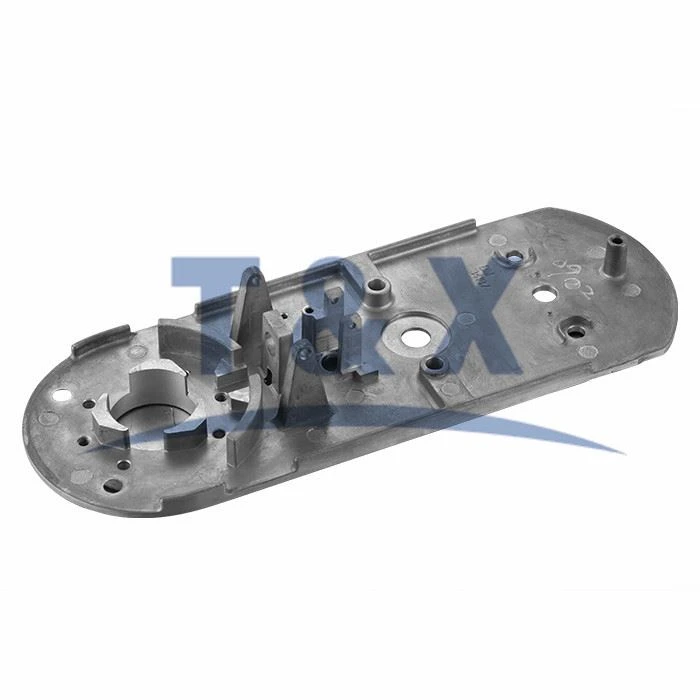
Material Matters
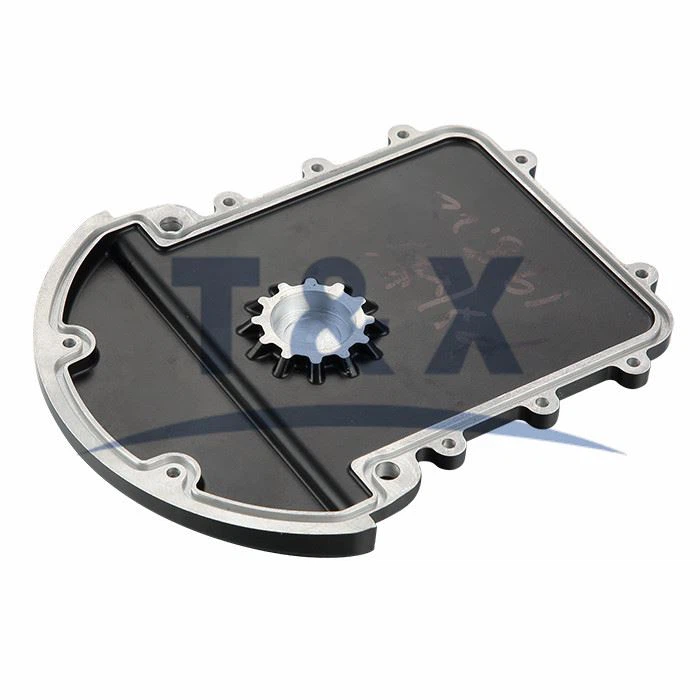
The material you choose for your die casting parts is super important. Different materials have different properties, and these properties will affect how the part performs.
Aluminum Die Casting Parts
Aluminum is a popular choice for a lot of projects. It's lightweight, which is great if you're looking to reduce the overall weight of your product. It also has good corrosion resistance, so it can stand up well in outdoor or humid environments. Aluminum has excellent thermal conductivity, making it suitable for parts that need to dissipate heat, like heat sinks. Check out Aluminum Die Casting Parts for more info on what aluminum can offer for your project.
Zinc Die Casting Parts
Zinc is another option. It's more dense than aluminum, which can give parts a solid, high - quality feel. Zinc is also easier to cast than some other metals, allowing for more complex shapes and thinner walls. It has good dimensional stability, meaning the part will keep its shape and size over time. If you think zinc might be the right fit for your project, take a look at Zinc Die Casting Parts.
Surface Finish
The surface finish of your die casting parts can have a big impact on both the look and the function of the part. A smooth surface finish can improve the aesthetic appeal of a consumer product. It can also reduce friction, which is important for parts that move against each other.
On the other hand, a textured surface finish might be better for parts that need to provide grip. There are different ways to achieve different surface finishes, such as polishing, painting, or powder coating. When you're choosing your die casting parts, think about what kind of surface finish will work best for your project.
Tolerances
Tolerances refer to the allowable variation in the dimensions of a part. Tighter tolerances mean the part will be more precise, but they can also be more expensive to produce. You need to figure out how precise your part needs to be.
For example, if you're making a part that has to fit perfectly with other components in an assembly, you'll need tighter tolerances. But if the part's function isn't as sensitive to small dimensional variations, you can go with looser tolerances to save some money.
Cost Considerations
Let's face it, cost is a major factor in any project. When you're choosing die casting parts, you need to balance the quality and performance you need with the cost.
The material you choose will have a big impact on the cost. As I mentioned earlier, different metals have different prices. The complexity of the part's design also affects the cost. More complex parts require more advanced tooling and longer production times, which can drive up the price.
Quantity also plays a role. Generally, the more parts you order, the lower the cost per part. This is because the initial tooling cost can be spread out over a larger number of parts.
Supplier Reputation
Picking the right supplier is just as important as choosing the right parts. A good supplier will have the experience and expertise to help you make the best choices for your project.
Look for a supplier with a good track record. Check out their reviews and testimonials from other customers. A reliable supplier will be able to provide high - quality parts on time and within budget. They should also be able to offer technical support and advice throughout the project.
Quality Assurance
Quality assurance is crucial when it comes to die casting parts. You want to make sure that the parts you receive meet your specifications and are free from defects.
A good supplier will have a quality control system in place. This might include inspections during the production process, as well as final inspections before the parts are shipped. They should also be able to provide documentation, such as material certificates and inspection reports, to prove the quality of the parts.
Testing and Prototyping
Before you commit to a large - scale production run, it's a good idea to do some testing and prototyping. A prototype can help you verify the design and functionality of the part. You can test how it performs in real - world conditions and make any necessary adjustments.
Your supplier should be able to help you with prototyping. They can use different methods, such as 3D printing or rapid tooling, to quickly produce a prototype for you to test.
Long - Term Support
Once your project is up and running, you might need ongoing support from your supplier. This could include things like additional parts, maintenance, or design changes.
Choose a supplier that offers long - term support. They should be willing to work with you as your project evolves and help you solve any problems that come up.
In conclusion, choosing the right die casting parts for your project involves a lot of factors. You need to understand your project requirements, choose the right material, consider the surface finish and tolerances, keep an eye on the cost, and pick a reliable supplier.
If you're still not sure which die casting parts are right for your project, don't hesitate to reach out. As a die casting parts supplier, I'm here to help you make the best choices. Whether you need more information about materials, surface finishes, or anything else related to die casting parts, I can provide the guidance you need. So, let's start a conversation and get your project on the right track.
References
- "Die Casting Handbook" by J. A. Schey
- "Manufacturing Engineering and Technology" by S. Kalpakjian and S. R. Schmid