
Preventing the chain from derailing on a tree saw is crucial for both the efficiency of your work and your safety. As a Tree Saw Parts supplier, I've encountered numerous customers facing this issue, and I'm here to share some effective strategies to keep your saw chain running smoothly.
Understanding the Causes of Chain Derailment
Before we dive into prevention methods, it's essential to understand why chains derail in the first place. Several factors can contribute to this problem:
- Incorrect Chain Tension: If the chain is too loose, it can easily slip off the guide bar. On the other hand, an overly tight chain can cause excessive wear on the bar and sprocket, leading to derailment.
- Worn or Damaged Parts: Over time, the guide bar, sprocket, and chain links can wear down or become damaged. This can affect the chain's alignment and cause it to derail.
- Improper Installation: Installing the chain incorrectly, such as misaligning it on the guide bar or using the wrong size chain, can also lead to derailment.
- External Obstacles: Hitting rocks, nails, or other hard objects while cutting can cause the chain to jump off the guide bar.
Maintaining Proper Chain Tension
One of the most important steps in preventing chain derailment is maintaining the correct chain tension. Here's how you can do it:
- Check the Tension Regularly: Before each use, inspect the chain to ensure it has the right amount of tension. You can do this by gently pulling the chain away from the guide bar. It should have a slight amount of slack but not be too loose.
- Adjust the Tension as Needed: If the chain is too loose, use the tensioning mechanism on your saw to tighten it. Refer to your saw's user manual for specific instructions on how to adjust the tension. If the chain is too tight, loosen it slightly.
- Replace Worn Chains: Over time, chains will stretch and wear out. When this happens, it's important to replace them with a new one. Using a worn chain can make it difficult to maintain proper tension and increase the risk of derailment.
Inspecting and Replacing Worn Parts
Regularly inspecting and replacing worn or damaged parts is another key to preventing chain derailment. Here are some parts to pay attention to:
- Guide Bar: Check the guide bar for signs of wear, such as grooves or uneven surfaces. If the guide bar is worn, it can cause the chain to run unevenly and increase the risk of derailment. Replace the guide bar if necessary.
- Sprocket: The sprocket is responsible for driving the chain. Inspect it for signs of wear, such as worn teeth or a damaged hub. A worn sprocket can cause the chain to slip or derail. Replace the sprocket if needed.
- Chain Links: Examine the chain links for any signs of damage, such as broken or bent links. Damaged chain links can cause the chain to malfunction and derail. Replace any damaged links or the entire chain if necessary.
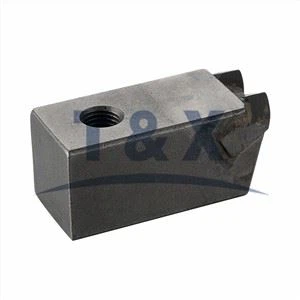
As a Tree Saw Parts supplier, we offer a wide range of high-quality replacement parts, including Tree Saw Teeth Holder, Saw Teeth - Longer Life And Cut Significantly - Impact Resistant, and Tree Saw Teeth. These parts are designed to fit your saw perfectly and ensure optimal performance.
Proper Installation
Proper installation of the chain is essential for preventing derailment. Here are some tips to follow:
- Read the User Manual: Before installing the chain, carefully read your saw's user manual. It will provide detailed instructions on how to install the chain correctly.
- Align the Chain: Make sure the chain is properly aligned on the guide bar. The drive links should fit smoothly into the guide bar's grooves, and the teeth should be facing in the correct direction.
- Use the Right Size Chain: Using the wrong size chain can cause it to derail. Make sure you use the chain size recommended by your saw's manufacturer.
Avoiding External Obstacles
When using a tree saw, it's important to avoid hitting external obstacles that can cause the chain to derail. Here are some tips to help you do this:


- Inspect the Work Area: Before starting to cut, inspect the work area for any rocks, nails, or other hard objects that could damage the chain. Remove these obstacles if possible.
- Use Caution When Cutting Near Objects: When cutting near trees, stumps, or other objects, be careful not to let the chain hit them. This can cause the chain to jump off the guide bar.
- Keep the Chain Lubricated: A well-lubricated chain will run more smoothly and be less likely to derail. Make sure to use the recommended lubricant for your saw and keep the chain properly lubricated during use.
Conclusion
Preventing the chain from derailing on your tree saw is essential for safe and efficient operation. By maintaining proper chain tension, inspecting and replacing worn parts, installing the chain correctly, and avoiding external obstacles, you can significantly reduce the risk of chain derailment. As a Tree Saw Parts supplier, we're committed to providing you with the high-quality parts and support you need to keep your saw running smoothly. If you have any questions or need assistance with your tree saw, please don't hesitate to contact us. We're here to help you with your procurement needs and ensure you get the best performance from your equipment.
References
- Stihl Chainsaw User Manual
- Husqvarna Chainsaw Maintenance Guide
- Oregon Chain Saw Parts Catalog