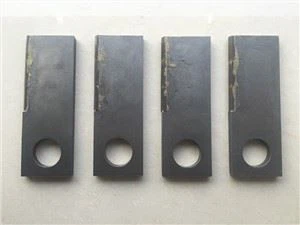

Flash in die casting parts is a common issue that can be a real pain in the neck for us die casting parts suppliers. As someone who's been in the die casting business for quite a while, I've dealt with flash more times than I can count. In this blog, I'll share some of the ways we handle flash in our die casting parts, and I'll also give you a better understanding of what causes it in the first place.
First off, let's talk about what flash is. Flash is that thin, excess metal that forms around the edges of a die casting part. It usually happens when molten metal squeezes out between the die halves during the casting process. It might seem like a minor annoyance, but flash can actually cause a whole bunch of problems. It can affect the part's dimensions, making it out of spec. It can also cause issues with assembly, as the flash can prevent parts from fitting together properly. And let's not forget about the aesthetic side of things - flash can make a part look rough and unprofessional.
So, what causes flash in die casting parts? There are several factors that can contribute to this problem. One of the most common causes is improper die alignment. If the two halves of the die aren't lined up correctly, there'll be gaps where the molten metal can escape. This can happen if the die isn't installed properly in the casting machine or if it gets knocked out of alignment during the casting process.
Another factor is excessive injection pressure. When too much pressure is applied during the injection of the molten metal, it can force the metal out through any small gaps in the die. This can be due to a malfunction in the casting machine or an incorrect setting on the machine.
Worn-out or damaged dies can also lead to flash. Over time, the surfaces of the dies can wear down, creating gaps where the metal can seep out. Cracks or other damage to the dies can also allow the molten metal to escape.
Now that we know what causes flash, let's talk about how we deal with it. At our company, we have a multi - step approach to handling flash in die casting parts.
The first step is prevention. We make sure that our dies are installed correctly in the casting machine. Our technicians go through a detailed checklist before starting the casting process to ensure that the die is properly aligned. We also regularly maintain our casting machines to make sure that the injection pressure is set correctly. By doing these things, we can minimize the chances of flash occurring in the first place.
We also use high - quality dies. We invest in dies that are made from durable materials and are designed to withstand the high pressures and temperatures of the die casting process. This reduces the risk of wear and tear, which in turn reduces the likelihood of flash.
But even with all these preventive measures, flash can still occur. When it does, we have a couple of methods for removing it. One of the most common methods is manual trimming. Our skilled workers use hand tools like files, grinders, and shears to carefully remove the flash from the parts. This method is very precise, but it can be time - consuming, especially for parts with a lot of flash.
Another method we use is tumbling. We put the die casting parts in a tumbling barrel along with abrasive media. As the barrel rotates, the abrasive media rubs against the parts, wearing away the flash. Tumbling is a faster method than manual trimming, but it might not be as precise. We usually use tumbling for parts where a high level of precision isn't required.
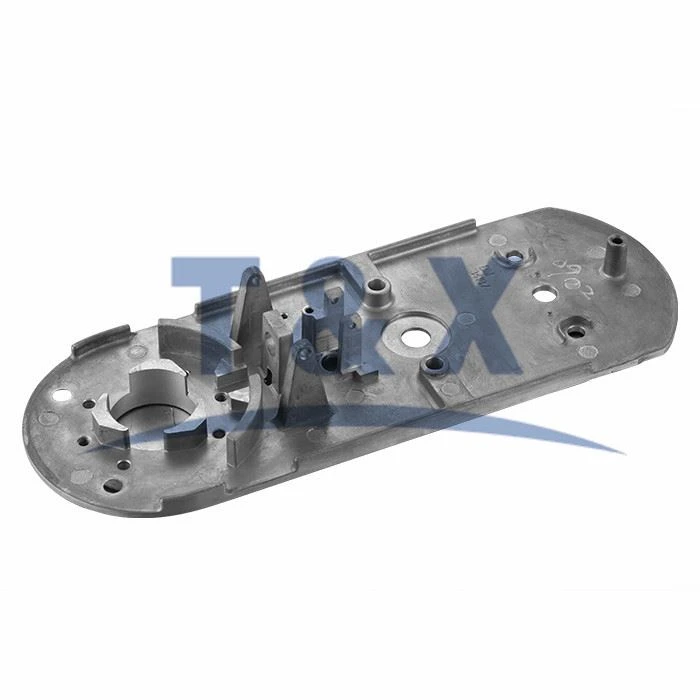

For more complex parts or parts with hard - to - reach areas, we might use a combination of manual trimming and tumbling. First, we use tumbling to remove the majority of the flash, and then our workers use hand tools to finish the job and make sure that all the flash is gone.
Now, let's talk about the different types of die casting parts we supply and how flash can affect them. We specialize in Zinc Die Casting Parts and Aluminum Die Casting Parts.
Zinc die casting parts are known for their high precision and good surface finish. However, they can be more prone to flash in some cases because zinc has a relatively low melting point. This means that it can flow more easily through small gaps in the die. When dealing with zinc die casting parts, we have to be extra careful with our die alignment and injection pressure to prevent flash.
Aluminum die casting parts, on the other hand, are lightweight and have good strength. But aluminum has a higher melting point and can be more abrasive. This can cause more wear and tear on the dies, which can lead to flash. We use special coatings on our dies for aluminum die casting to reduce the wear and minimize the risk of flash.
In addition to the methods I've mentioned, we also have quality control measures in place to make sure that the parts we supply are free of flash. After the flash removal process, our quality control team inspects each part. They use calipers, micrometers, and other measuring tools to check the dimensions of the parts and make sure that they're within the specified tolerances. They also visually inspect the parts to look for any remaining flash.
If a part fails the quality control inspection, we'll re - work it. Depending on the severity of the flash issue, we might repeat the trimming or tumbling process or, in some cases, even re - cast the part.
Dealing with flash in die casting parts is an ongoing challenge, but by taking a proactive approach to prevention and having effective methods for flash removal, we're able to supply high - quality die casting parts to our customers.
If you're in the market for Zinc Die Casting Parts or Aluminum Die Casting Parts, we'd love to talk to you. Our team of experts can help you choose the right parts for your application and ensure that they're free of flash and meet your quality requirements. Don't hesitate to reach out to us for a quote or to discuss your die casting needs.
References:
- Die Casting Handbook, various editions
- Industry research papers on die casting quality control