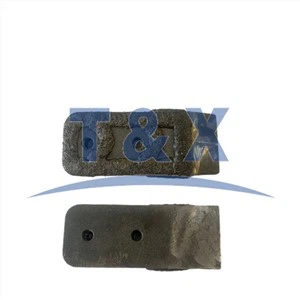

Hey there! As a supplier of Wood Grinder Parts, I've seen firsthand how crucial it is to boost the cutting efficiency of these parts. In this blog, I'll share some tips and tricks that can help you get the most out of your wood grinder parts.
1. Choose the Right Parts
The first step in improving cutting efficiency is to select the right wood grinder parts for your specific needs. Different types of grinders and applications require different parts. For example, if you're dealing with tough, dense wood, you'll need parts that are made from high - quality, durable materials.
One of our top - selling products is the Tungsten Carbide Brazed Hammer Cutter. Tungsten carbide is known for its hardness and wear resistance. These cutters can withstand the high - impact forces generated during the grinding process, ensuring a longer lifespan and better cutting performance.
Another great option is the Forged Grinder Tips. Forged parts are stronger and more reliable than those made through other manufacturing processes. They can handle heavy - duty grinding tasks with ease, making them ideal for large - scale wood processing operations.
If you're looking for something that offers excellent cutting performance and durability, the Tungsten Carbide Grit Grinder Hammer is a great choice. The tungsten carbide grit on the hammer provides a sharp cutting edge that can quickly and efficiently grind wood.
2. Proper Installation
Once you've chosen the right parts, proper installation is key. Incorrect installation can lead to reduced cutting efficiency, increased wear and tear, and even safety hazards.
Make sure to follow the manufacturer's instructions carefully when installing your wood grinder parts. Check for proper alignment, tightness of bolts, and correct positioning. If you're not confident in your installation skills, it's a good idea to have a professional do it for you.


3. Regular Maintenance
Regular maintenance is essential for keeping your wood grinder parts in top condition and improving cutting efficiency. Here are some maintenance tasks you should perform regularly:
Sharpening
Dull cutting edges can significantly reduce the cutting efficiency of your wood grinder parts. Regularly sharpen the cutters, hammers, and tips to ensure a clean and efficient cut. You can use a sharpening stone or a professional sharpening service.
Cleaning
Wood debris and dust can accumulate on the parts over time, which can affect their performance. Clean the parts regularly to remove any build - up. You can use a brush or compressed air to clean hard - to - reach areas.
Lubrication
Some wood grinder parts may require lubrication to reduce friction and wear. Check the manufacturer's recommendations for the type and frequency of lubrication.
4. Optimize Operating Conditions
The operating conditions of your wood grinder can also have a big impact on cutting efficiency. Here are some factors to consider:
Speed
Running the wood grinder at the right speed is crucial. If the speed is too low, the cutting process will be slow and inefficient. If the speed is too high, it can cause excessive wear on the parts and may even damage the grinder. Refer to the manufacturer's guidelines for the optimal speed settings.
Feed Rate
The feed rate of the wood into the grinder also affects cutting efficiency. If the feed rate is too high, the grinder may not be able to handle the load, leading to jams and reduced performance. If the feed rate is too low, it will take longer to process the wood. Find the right balance for your specific grinder and the type of wood you're working with.
Wood Quality
The quality of the wood you're grinding can also impact cutting efficiency. Wood that is wet, dirty, or has a lot of knots can be more difficult to grind. Try to use dry, clean wood whenever possible, and remove any large knots or debris before feeding the wood into the grinder.
5. Operator Training
Last but not least, operator training is essential for improving cutting efficiency. A well - trained operator knows how to use the wood grinder properly, which can lead to better performance and fewer problems.
Provide your operators with comprehensive training on the operation, maintenance, and safety of the wood grinder. Make sure they understand how to adjust the settings, load the wood correctly, and perform basic maintenance tasks. Encourage them to report any issues or problems they encounter immediately.
In conclusion, improving the cutting efficiency of wood grinder parts requires a combination of choosing the right parts, proper installation, regular maintenance, optimizing operating conditions, and operator training. By following these tips, you can get the most out of your wood grinder and increase your productivity.
If you're interested in purchasing high - quality wood grinder parts, we'd love to hear from you. Contact us to discuss your specific needs and get a quote. We're here to help you find the best solutions for your wood processing operations.
References
- General woodworking industry knowledge and experience in the field of wood grinder parts supply.
- Manufacturer's manuals and guidelines for wood grinder parts.