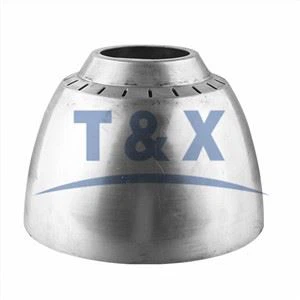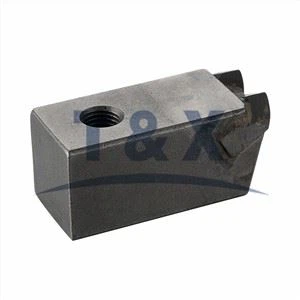

Maintaining an HDF Drag Bit is crucial for ensuring its optimal performance and longevity. As a supplier of HDF Drag Bit, I understand the significance of proper maintenance in the drilling industry. In this blog, I will share some essential tips and best practices on how to maintain an HDF Drag Bit effectively.
Understanding the HDF Drag Bit
Before delving into maintenance, it's important to have a basic understanding of the HDF Drag Bit. The HDF Drag Bit is a specialized tool used in drilling operations, known for its efficiency and durability. It is designed to cut through various types of rock formations, making it a popular choice in the oil and gas, mining, and construction industries.
The HDF Drag Bit consists of a body, cutting elements, and nozzles. The body provides the structural support, while the cutting elements are responsible for breaking the rock. The nozzles are used to circulate drilling fluid, which helps to cool the bit and remove cuttings from the borehole.


Pre - Drilling Inspection
Before using an HDF Drag Bit, a thorough pre - drilling inspection is essential. This inspection helps to identify any potential issues that could affect the performance of the bit during drilling.
- Visual Inspection: Carefully examine the bit for any signs of damage, such as cracks, chips, or wear on the cutting elements. Check the nozzles to ensure they are clear and not blocked.
- Measurement: Measure the diameter of the bit to ensure it meets the specifications required for the drilling operation. A worn - out bit may have a reduced diameter, which can lead to inaccurate drilling.
- Connection Check: Inspect the connection between the bit and the drill string. Ensure that the threads are clean, undamaged, and properly tightened. A loose connection can cause the bit to vibrate, leading to premature wear and reduced drilling efficiency.
Drilling Fluid Management
Drilling fluid plays a vital role in the performance and maintenance of an HDF Drag Bit. It helps to cool the bit, lubricate the cutting elements, and carry the cuttings to the surface.
- Fluid Quality: Use high - quality drilling fluid that is suitable for the specific drilling conditions. The fluid should have the right viscosity, density, and chemical properties to ensure effective cooling and lubrication.
- Filtration: Install a proper filtration system to remove solid particles from the drilling fluid. Solid particles can cause abrasion on the cutting elements, leading to premature wear.
- Fluid Circulation: Maintain a consistent flow of drilling fluid through the bit. Insufficient fluid circulation can cause the bit to overheat, resulting in damage to the cutting elements.
Monitoring During Drilling
During the drilling process, it is important to monitor the performance of the HDF Drag Bit closely. This allows for early detection of any issues and enables timely corrective actions.
- Torque and Weight on Bit: Monitor the torque and weight on bit (WOB) during drilling. Abnormal torque or WOB values may indicate problems such as bit balling, dull cutting elements, or formation changes.
- Rate of Penetration (ROP): Keep track of the ROP. A sudden decrease in ROP may suggest that the bit is worn out or that there are issues with the drilling parameters.
- Vibration: Monitor the vibration of the drill string. Excessive vibration can cause damage to the bit and other components of the drilling system.
Post - Drilling Maintenance
After the drilling operation is completed, proper post - drilling maintenance is necessary to extend the life of the HDF Drag Bit.
- Cleaning: Thoroughly clean the bit to remove any drilling fluid, cuttings, and debris. Use a high - pressure water jet or a suitable cleaning solution to ensure a complete clean.
- Inspection: Conduct a detailed inspection of the bit after cleaning. Check for any signs of wear, damage, or corrosion. Replace any worn - out or damaged cutting elements.
- Storage: Store the bit in a dry and clean environment. Protect it from moisture, dust, and other contaminants. Use a protective case or cover to prevent damage during storage.
Regular Maintenance Schedule
Establishing a regular maintenance schedule is essential for the long - term performance of the HDF Drag Bit.
- Periodic Inspections: Conduct periodic inspections of the bit, even if it is not in use. This helps to detect any potential issues early and prevent major problems.
- Cutting Element Replacement: Replace the cutting elements at regular intervals, depending on the drilling conditions and the wear rate. This ensures that the bit maintains its cutting efficiency.
- Lubrication: Lubricate the moving parts of the bit, such as the bearings and seals, at regular intervals. This helps to reduce friction and prevent premature wear.
Training and Education
Proper training and education of the drilling personnel are crucial for effective HDF Drag Bit maintenance.
- Operator Training: Provide comprehensive training to the drill operators on the proper use and maintenance of the HDF Drag Bit. This includes understanding the drilling parameters, pre - and post - drilling inspections, and troubleshooting techniques.
- Technical Support: Offer technical support to the customers to help them with any maintenance - related issues. This can include providing advice on bit selection, drilling fluid management, and maintenance procedures.
Conclusion
Maintaining an HDF Drag Bit is a complex but essential task that requires attention to detail and a systematic approach. By following the tips and best practices outlined in this blog, you can ensure the optimal performance and longevity of your HDF Drag Bit.
If you are interested in purchasing high - quality HDF Drag Bits or need more information on their maintenance, we are here to assist you. Contact us for further discussions and to explore how our products can meet your drilling needs.
References
- Drilling Engineering Handbook, various authors
- Industry standards and guidelines for drilling bit maintenance