
In the dynamic world of drilling operations, having a comprehensive understanding of the common types of drilling parts is essential for both professionals and enthusiasts alike. As a trusted Drilling Parts supplier, we are well-versed in the diverse range of components that play crucial roles in various drilling applications. This blog post aims to shed light on some of the most prevalent types of drilling parts, their functions, and how they contribute to the overall efficiency and success of drilling projects.
1. Drill Bits
Drill bits are perhaps the most recognizable and fundamental drilling parts. They come in a wide variety of shapes, sizes, and materials, each designed for specific drilling tasks. For instance, carbide-tipped drill bits are known for their exceptional hardness and wear resistance, making them ideal for drilling through tough materials such as concrete, stone, and metal. On the other hand, diamond drill bits are used for precision drilling in materials like glass, ceramics, and marble.
The design of drill bits also varies depending on the application. Twist drill bits are the most common type and are used for general-purpose drilling in wood, metal, and plastic. They have a spiral fluted design that helps to remove chips from the hole as the bit rotates. For larger holes, hole saws are often used. These consist of a circular blade with teeth around the edge and are suitable for cutting through thin materials such as sheet metal and plastic.


2. Trencher Carbide Teeth
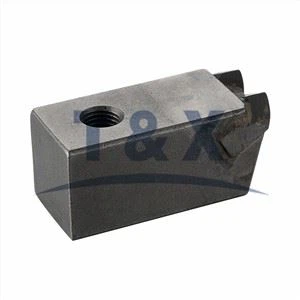
Trencher carbide teeth are specialized drilling parts used in trenching machines. These teeth are designed to cut through various types of soil, rock, and other materials to create trenches for laying pipes, cables, or irrigation systems. The carbide tips on these teeth provide excellent cutting performance and durability, allowing them to withstand the high forces and abrasion encountered during trenching operations.
The shape and configuration of trencher carbide teeth can vary depending on the specific application and the type of material being cut. Some teeth are designed for soft soils, while others are more suitable for hard rock. Trencher Carbide Teeth are available in different sizes and styles to meet the diverse needs of trenching contractors.
3. Auger Accessories
Augers are commonly used in drilling applications for boring holes in the ground, especially for foundation work, landscaping, and agricultural purposes. Auger accessories play a crucial role in enhancing the performance and functionality of augers.
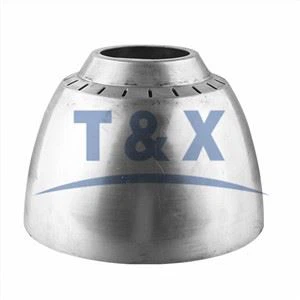
One important auger accessory is the Cast Precision Auger Square Hub Coupler. This coupler is used to connect the auger to the drilling machine and ensures a secure and stable connection. It is designed to transmit the torque from the machine to the auger efficiently, allowing for smooth and effective drilling.
Another essential auger accessory is the Auger Kelly Boxes. These boxes are used to support the auger and provide a stable platform for drilling. They are typically made of high-strength steel and are designed to withstand the heavy loads and vibrations associated with auger drilling.
4. Drill Rods
Drill rods are used to transmit the rotational force and torque from the drilling machine to the drill bit. They are available in various lengths, diameters, and materials, depending on the specific drilling requirements. Steel drill rods are the most commonly used type due to their high strength and durability.
The design of drill rods also plays an important role in their performance. Some drill rods have a hexagonal or square shape, which helps to prevent slippage and ensure a more efficient transfer of torque. Additionally, drill rods may be threaded at both ends to allow for easy connection and disconnection.
5. Mud Pumps
Mud pumps are an integral part of many drilling operations, especially in oil and gas exploration. These pumps are used to circulate drilling fluid, also known as mud, through the drill string and back to the surface. The drilling fluid serves several important functions, including cooling and lubricating the drill bit, removing cuttings from the hole, and maintaining pressure in the wellbore.
Mud pumps come in different types and sizes, depending on the specific requirements of the drilling project. They can be powered by diesel engines, electric motors, or other sources of power. The capacity and pressure of the mud pump are important factors to consider when selecting a pump for a particular application.
6. Drill Collars
Drill collars are heavy, thick-walled pipes that are used to provide weight and stability to the drill string. They are typically placed near the bottom of the drill string, just above the drill bit. The weight of the drill collars helps to keep the drill bit in contact with the formation being drilled, improving the drilling efficiency and reducing the risk of bit bounce.
Drill collars are made of high-strength steel and are designed to withstand the high stresses and loads encountered during drilling. They are available in various sizes and configurations to meet the specific requirements of different drilling applications.
7. Stabilizers
Stabilizers are drilling parts that are used to keep the drill string centered in the wellbore and prevent it from deviating from the desired path. They are typically placed at regular intervals along the drill string and are designed to provide additional support and stability.
Stabilizers come in different types, including blade stabilizers, roller stabilizers, and flex stabilizers. Blade stabilizers are the most common type and consist of a series of blades that are attached to the outside of the drill collar. These blades help to keep the drill string centered in the wellbore and reduce the risk of hole deviation.
Conclusion
In conclusion, the world of drilling parts is vast and diverse, with each type of part playing a crucial role in the success of drilling operations. As a Drilling Parts supplier, we understand the importance of providing high-quality, reliable parts that meet the specific needs of our customers. Whether you are a professional drilling contractor or a DIY enthusiast, having a good understanding of the common types of drilling parts and their functions can help you make informed decisions when selecting the right parts for your project.
If you are interested in purchasing drilling parts or have any questions about our products, please do not hesitate to contact us. Our team of experts is always ready to assist you and provide you with the best solutions for your drilling needs.
References
- Smith, J. (2020). Drilling Equipment Handbook. New York: Wiley.
- Johnson, A. (2019). Fundamentals of Drilling Engineering. Houston: Gulf Publishing.
- Brown, R. (2018). Drilling Fluid Technology. Tulsa: PennWell.