
Hey there! As a die casting parts supplier, I'm super excited to chat with you about the coating options for die casting parts. Coating plays a crucial role in enhancing the performance, durability, and aesthetics of these parts. So, let's dive right in!
Why Coat Die Casting Parts?
Before we get into the specific coating options, let's talk about why coating is so important. First off, a good coating can protect die casting parts from corrosion. Whether it's exposure to moisture, chemicals, or harsh environmental conditions, a protective coating acts as a barrier, preventing rust and other forms of damage.
Secondly, coating can improve the appearance of the parts. It can give them a smooth, shiny finish or a custom color, making them more appealing to customers. This is especially important if the parts are visible in the final product.
Finally, coating can enhance the functionality of the parts. For example, a lubricious coating can reduce friction, which is beneficial in applications where parts need to move smoothly against each other.
Types of Coatings for Die Casting Parts
1. Electroplating
Electroplating is a popular coating option for die casting parts. It involves depositing a thin layer of metal onto the surface of the part using an electrical current. Common metals used in electroplating include zinc, nickel, and chrome.
- Zinc Plating: Zinc is a cost - effective option that provides excellent corrosion resistance. It forms a protective layer that sacrificially corrodes in place of the base metal. Zinc - plated parts are commonly used in automotive, hardware, and electronic applications. You can check out our Zinc Die Casting Parts for more details.
- Nickel Plating: Nickel plating offers good corrosion resistance and a hard, wear - resistant surface. It can also improve the appearance of the parts, giving them a bright, shiny finish. Nickel - plated parts are often used in decorative applications as well as in industrial settings where wear resistance is important.
- Chrome Plating: Chrome plating provides a very hard and durable surface with excellent corrosion resistance and a high - gloss finish. It's commonly used in automotive trim, plumbing fixtures, and other applications where a decorative and long - lasting finish is required.
2. Powder Coating
Powder coating is a dry finishing process where a fine powder is electrostatically applied to the surface of the part and then cured in an oven. The powder melts and forms a smooth, durable coating.
- Advantages: Powder coating offers several advantages. It's environmentally friendly as it doesn't contain solvents, which reduces air pollution. It also provides a thick, uniform coating that is highly resistant to chipping, scratching, and fading. Powder - coated parts can be found in a wide range of colors and finishes, from matte to high - gloss.
- Applications: Powder coating is commonly used in outdoor furniture, automotive parts, and industrial equipment. It can be applied to both aluminum and zinc die casting parts. Check out our Aluminum Die Casting Parts to see how powder coating can enhance their appearance and performance.
3. Anodizing
Anodizing is a process that forms a protective oxide layer on the surface of aluminum die casting parts. It's an electrochemical process that thickens and toughens the natural oxide layer on the aluminum.

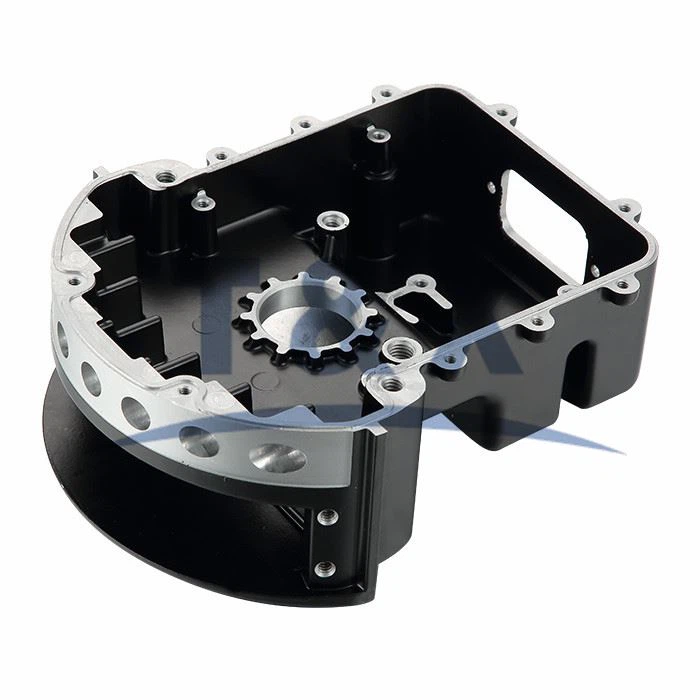
- Benefits: Anodizing provides excellent corrosion resistance and a hard, wear - resistant surface. It also allows for a wide range of color options, from clear to vibrant hues. Anodized parts are commonly used in architectural applications, consumer electronics, and automotive components.
- Process: The anodizing process involves immersing the aluminum part in an electrolyte solution and applying an electrical current. The thickness of the oxide layer can be controlled, depending on the desired level of protection and appearance.
4. Painting
Painting is a simple and cost - effective way to coat die casting parts. It can be used to provide a decorative finish or to protect the parts from corrosion.
- Types of Paint: There are different types of paint available, such as enamel, acrylic, and epoxy. Enamel paint provides a hard, durable finish, while acrylic paint is known for its quick drying time and good color retention. Epoxy paint offers excellent chemical resistance and adhesion.
- Application: Painting can be applied using various methods, including spray painting, brush painting, and dip coating. The choice of application method depends on the size and shape of the parts, as well as the desired finish.
Factors to Consider When Choosing a Coating
When choosing a coating for your die casting parts, there are several factors to consider:
- Environment: Consider the environment in which the parts will be used. If they will be exposed to moisture, chemicals, or high temperatures, you'll need a coating that can withstand these conditions.
- Functionality: Think about the specific functionality requirements of the parts. For example, if they need to be lubricious or have good electrical conductivity, choose a coating that can provide these properties.
- Appearance: The appearance of the parts is also important. Choose a coating that will give the parts the desired color, finish, and texture.
- Cost: Coating costs can vary depending on the type of coating, the application method, and the quantity of parts. Make sure to consider your budget when choosing a coating.
Conclusion
In conclusion, there are several coating options available for die casting parts, each with its own advantages and applications. Whether you're looking for corrosion protection, improved appearance, or enhanced functionality, there's a coating that can meet your needs.
If you're interested in purchasing die casting parts with the right coating for your application, don't hesitate to reach out. We're here to help you find the best solution for your project. Let's start a conversation and see how we can work together to get you the high - quality die casting parts you need.
References
- "Surface Finishing for Die Castings" by Metal Casting Design & Purchasing
- "Coating Technologies for Metal Parts" by Industrial Coatings Magazine