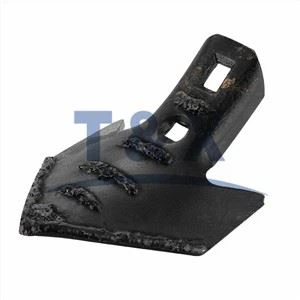

Drag bits are essential tools in the drilling industry, known for their efficiency and versatility in various drilling applications. As a reputable supplier of drag bits, I am excited to delve into the details of what drag bits are, their types, applications, and the benefits they offer.
What are Drag Bits?
Drag bits, also known as PDC (Polycrystalline Diamond Compact) bits, are cutting tools used in drilling operations to penetrate and break rock formations. They consist of a steel body with PDC cutters embedded on the face of the bit. These cutters are made of synthetic diamond material, which is extremely hard and wear - resistant, allowing the bit to cut through different types of rock with relative ease.
The basic principle behind drag bits is that as the bit rotates, the PDC cutters scrape and shear the rock, gradually breaking it into small fragments that can be removed from the wellbore by the drilling fluid. This process is different from the crushing action of roller - cone bits, which rely on the rolling of cones with teeth to break the rock.
Types of Drag Bits
HDF Drag Bit
One of the popular types of drag bits is the HDF Drag Bit. HDF stands for High - Density Formation, and these bits are specifically designed for drilling in hard and abrasive rock formations. The HDF Drag Bit features a unique cutter layout and design that maximizes the cutting efficiency and durability in challenging drilling environments. The PDC cutters on an HDF Drag Bit are carefully selected and arranged to ensure optimal contact with the rock, reducing the risk of cutter damage and improving the overall rate of penetration (ROP).
Standard Drag Bits
Standard drag bits are more versatile and can be used in a wide range of rock formations, from soft to medium - hard. They are designed with a balanced combination of cutter size, shape, and spacing to provide a good balance between cutting efficiency and bit life. These bits are commonly used in oil and gas exploration, geothermal drilling, and water well drilling.
Steerable Drag Bits
Steerable drag bits are used in directional drilling applications, where the wellbore needs to be drilled at an angle or follow a specific path. These bits are equipped with special features that allow the driller to control the direction of the bit while drilling. This is achieved through the use of adjustable blades or other steering mechanisms that can change the orientation of the bit as it rotates.
Applications of Drag Bits
Oil and Gas Drilling
In the oil and gas industry, drag bits are widely used for both vertical and horizontal drilling. In vertical wells, they can quickly penetrate through different rock layers to reach the hydrocarbon - bearing formations. In horizontal drilling, drag bits are essential for drilling long lateral sections, which can significantly increase the production of oil and gas from a single well. The high ROP and durability of drag bits make them a cost - effective choice for oil and gas exploration and production companies.
Geothermal Drilling
Geothermal drilling involves drilling into hot rock formations to access geothermal energy. Drag bits are well - suited for this application because they can withstand the high temperatures and abrasive nature of the rock. The ability of drag bits to cut through hard rock quickly helps to reduce the drilling time and cost in geothermal projects.
Water Well Drilling
Water well drilling requires the bit to penetrate various soil and rock layers to reach the water - bearing aquifer. Drag bits are commonly used in this application due to their efficiency and ability to cut through different types of formations. They can provide a clean and smooth borehole, which is important for the installation of well casings and pumps.
Benefits of Using Drag Bits
High Rate of Penetration (ROP)
One of the main advantages of drag bits is their high ROP. The sharp PDC cutters can quickly shear the rock, allowing the bit to drill faster compared to other types of bits. This reduces the overall drilling time, which in turn lowers the drilling cost. For example, in a large - scale oil and gas drilling project, a higher ROP can save days or even weeks of drilling time, resulting in significant cost savings.
Long Bit Life
Drag bits have a relatively long bit life due to the wear - resistant nature of the PDC cutters. The synthetic diamond material used in the cutters can withstand high levels of abrasion and impact, reducing the need for frequent bit changes. This not only saves time but also reduces the risk of downhole problems associated with bit failures.


Versatility
As mentioned earlier, drag bits can be used in a wide range of rock formations, from soft to hard. This versatility makes them a popular choice for different drilling applications. A single type of drag bit can be used in multiple projects, reducing the need for a large inventory of different bits.
Improved Hole Quality
Drag bits produce a smoother and more consistent borehole compared to some other types of bits. The scraping and shearing action of the PDC cutters results in a well - defined hole, which is beneficial for well completion operations such as casing installation and cementing.
Factors to Consider When Choosing a Drag Bit
Rock Formation
The type of rock formation is the most important factor to consider when choosing a drag bit. For soft formations, a bit with larger cutters and a more aggressive cutter layout may be suitable to achieve a high ROP. For hard and abrasive formations, a bit with smaller, more wear - resistant cutters, such as an HDF Drag Bit, is recommended.
Drilling Parameters
Drilling parameters such as weight on bit (WOB), rotary speed, and flow rate of the drilling fluid also affect the performance of the drag bit. These parameters need to be optimized based on the bit design and the rock formation to ensure maximum efficiency.
Bit Design
The design of the drag bit, including the cutter layout, blade shape, and hydraulic design, can have a significant impact on its performance. A well - designed bit will have better cutting efficiency, improved hole cleaning, and reduced cutter wear.
How to Ensure the Best Performance of Drag Bits
Proper Bit Selection
As discussed above, selecting the right drag bit for the specific drilling application is crucial. This requires a thorough understanding of the rock formation, drilling parameters, and the capabilities of different bit designs.
Regular Inspection and Maintenance
Regular inspection of the drag bit before and after each use is essential to ensure its proper functioning. Any signs of cutter wear, damage, or hydraulic blockage should be addressed immediately. Proper maintenance, such as cleaning and lubrication, can also extend the life of the bit.
Optimized Drilling Parameters
The drilling parameters should be carefully adjusted based on the bit performance and the rock formation. This may involve adjusting the WOB, rotary speed, and flow rate of the drilling fluid to achieve the best ROP and bit life.
Contact for Drag Bit Procurement
If you are in the market for high - quality drag bits for your drilling projects, I encourage you to reach out to me. As a trusted supplier, I can provide you with a wide range of drag bits, including the HDF Drag Bit, to meet your specific needs. Whether you are involved in oil and gas drilling, geothermal drilling, or water well drilling, I can offer expert advice on bit selection and provide you with cost - effective solutions. Contact me today to start a discussion about your drag bit requirements and let's work together to achieve successful drilling operations.
References
- Smith, J. (2018). Drilling Technology Handbook. Elsevier.
- Brown, A. (2019). Rock Mechanics in Drilling. Wiley.
- International Association of Drilling Contractors (IADC). (2020). Drilling Best Practices.