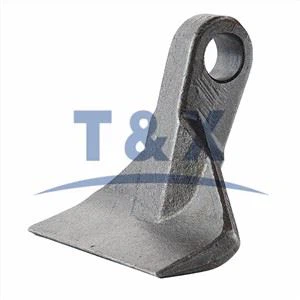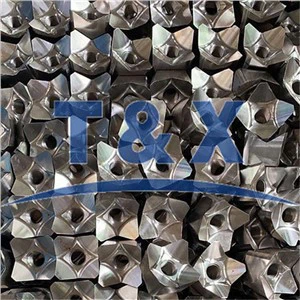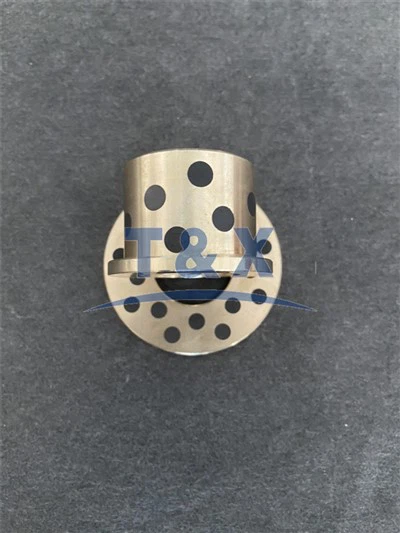

As a supplier of Machining Parts, I've witnessed firsthand the transformative impact of high - speed machining on the manufacturing industry. High - speed machining is a manufacturing process that utilizes advanced cutting tools and high spindle speeds to remove material from a workpiece at a rapid pace. This method offers several distinct characteristics that make it highly advantageous for producing parts.
1. High Productivity
One of the most significant characteristics of high - speed machining for parts is its ability to boost productivity. Traditional machining methods often require multiple passes to remove material, which can be time - consuming. In high - speed machining, the combination of high cutting speeds and feed rates allows for a large amount of material to be removed in a single pass.
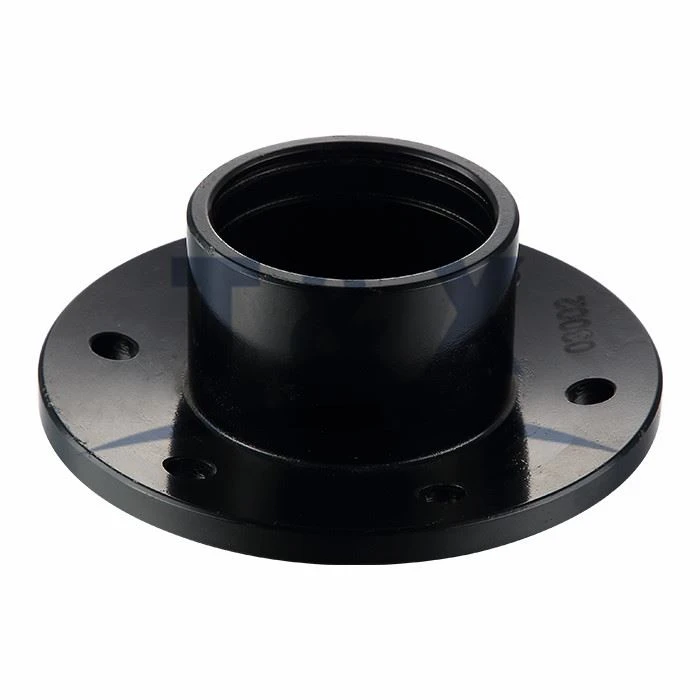
For instance, when machining large - scale components like Trailer Wheel Hubs, high - speed machining can significantly reduce the machining time. The high - speed spindles can rotate at speeds of up to 40,000 RPM or even higher, enabling the cutting tools to quickly slice through the metal. This rapid material removal rate means that more parts can be produced in a shorter period, increasing the overall output of the manufacturing facility.
2. Superior Surface Finish
High - speed machining is known for producing parts with an excellent surface finish. The high cutting speeds reduce the amount of time the cutting tool spends in contact with the workpiece. As a result, there is less chance of the tool leaving marks or causing surface irregularities.
When it comes to Flange Parts, a smooth surface finish is crucial for proper functionality. Flanges need to form a tight seal, and any surface imperfections can lead to leaks. High - speed machining ensures that the surface of the flange is smooth and free of burrs or rough edges. This not only improves the aesthetic appearance of the part but also enhances its performance and reliability.
3. Reduced Cutting Forces
In high - speed machining, the cutting forces are significantly reduced compared to traditional machining methods. The high cutting speeds cause the chips to break away from the workpiece more easily, which in turn reduces the resistance on the cutting tool.
Lower cutting forces have several benefits. Firstly, it reduces the wear and tear on the cutting tools, extending their lifespan. This is particularly important for Machining Parts suppliers as it helps to reduce tooling costs. Secondly, reduced cutting forces minimize the deformation of the workpiece. When machining thin - walled or delicate parts, excessive cutting forces can cause the part to warp or bend. High - speed machining mitigates this risk, ensuring that the part retains its intended shape and dimensions.
4. Tight Tolerance Machining
High - speed machining enables the production of parts with extremely tight tolerances. The advanced control systems used in high - speed machining equipment can precisely control the movement of the cutting tool. This allows for accurate and repeatable machining operations.
For complex Machining Parts, such as those used in the aerospace or medical industries, tight tolerances are essential. Even the slightest deviation from the specified dimensions can render the part useless. High - speed machining can achieve tolerances as tight as a few micrometers, ensuring that each part meets the exact requirements of the design. This level of precision is a key advantage for suppliers looking to produce high - quality parts for demanding applications.
5. Thermal Advantage
During the machining process, heat is generated as the cutting tool interacts with the workpiece. In high - speed machining, the heat is dissipated quickly due to the high cutting speeds. The chips are removed from the cutting zone at a rapid rate, carrying away a significant amount of heat.
This thermal advantage is beneficial in several ways. Firstly, it reduces the risk of thermal damage to the workpiece. Excessive heat can cause changes in the material properties of the workpiece, such as hardening or softening. By keeping the temperature in check, high - speed machining helps to maintain the integrity of the material. Secondly, it also helps to prevent the cutting tool from overheating, which can lead to tool failure.
6. Flexibility in Material Selection
High - speed machining can be used to process a wide range of materials, including metals, plastics, and composites. Different materials have different properties, and high - speed machining can be adjusted to suit the specific requirements of each material.
For example, when machining aluminum, a lightweight and widely used metal in the automotive and aerospace industries, high - speed machining can take advantage of aluminum's relatively low density and good machinability. On the other hand, when working with high - strength steels or titanium alloys, the high - speed machining process can be optimized to overcome the challenges associated with these tough materials. This flexibility in material selection allows Machining Parts suppliers to offer a diverse range of products to their customers.
7. Automation Compatibility
High - speed machining is highly compatible with automation systems. The precision and repeatability of high - speed machining make it an ideal candidate for integration with robotic arms and automated material handling systems.
Automation can further enhance the productivity of Machining Parts suppliers. Automated systems can load and unload workpieces, change cutting tools, and monitor the machining process. This reduces the need for manual labor, increasing efficiency and reducing the risk of human error. Additionally, automation allows for continuous operation, enabling the production of parts 24/7.
8. Environmentally Friendly
In today's manufacturing landscape, environmental considerations are becoming increasingly important. High - speed machining offers some environmental benefits. The reduced cutting forces and efficient material removal mean that less energy is consumed during the machining process. Additionally, the longer tool life reduces the amount of waste generated from discarded cutting tools.

By adopting high - speed machining, Machining Parts suppliers can not only improve their operational efficiency but also contribute to a more sustainable manufacturing industry.
Conclusion
High - speed machining offers a multitude of characteristics that make it a highly attractive option for Machining Parts suppliers. From increased productivity and superior surface finish to tight tolerance machining and environmental friendliness, the advantages of high - speed machining are numerous.
If you are in the market for high - quality Machining Parts, we invite you to contact us for procurement discussions. We are committed to leveraging the benefits of high - speed machining to provide you with the best possible products that meet your specific needs.
References
- Boothroyd, G., & Knight, W. A. (2006). Fundamentals of machining and machine tools. CRC Press.
- Kalpakjian, S., & Schmid, S. R. (2010). Manufacturing engineering and technology. Pearson Prentice Hall.
- König, W., & Tönshoff, H. K. (1992). High - speed machining. Springer - Verlag.