
As a seasoned tillage parts supplier, I've had the privilege of witnessing the diverse and evolving landscape of agricultural tillage. Tillage is a fundamental aspect of farming, and the parts used in tillage equipment play a crucial role in ensuring efficient and effective soil preparation. In this blog, I'll delve into the common types of tillage parts, shedding light on their functions, applications, and the importance of choosing the right components for your agricultural needs.
Moldboard Plows and Parts
Moldboard plows are one of the oldest and most well - known tillage tools. They consist of several key parts, including the moldboard, share, and landside. The share is the cutting edge that slices through the soil, while the moldboard turns and inverts the soil. The landside provides stability to the plow.
Moldboard plows are ideal for breaking up hard, compacted soil and burying crop residues. They are commonly used in large - scale farming operations where deep tillage is required. However, they can be energy - intensive and may lead to soil erosion if not used properly.
Disc Harrows and Their Components
Disc harrows are another popular type of tillage equipment. They are made up of a series of concave discs that are arranged in gangs. The discs cut through the soil, breaking up clods and mixing in crop residues.
There are two main types of disc harrows: tandem and offset. Tandem disc harrows have two sets of discs that rotate in opposite directions, providing a more thorough tillage. Offset disc harrows have discs that are offset from each other, which allows for a wider tillage width.
The key parts of a disc harrow include the discs, hubs, bearings, and gang bolts. The discs are usually made of high - carbon steel to ensure durability and sharpness. The hubs and bearings allow the discs to rotate smoothly, while the gang bolts hold the discs in place.
Chisel Plows and Their Features
Chisel plows are designed for deep tillage without completely inverting the soil. They consist of a series of shanks that penetrate the soil at various depths. Chisel plows are effective in breaking up hardpan layers and improving soil aeration and water infiltration.
The main parts of a chisel plow are the shanks, points, and sweeps. The shanks are the long, vertical components that penetrate the soil. The points are the tips of the shanks, which are designed to cut through the soil easily. Sweeps can be attached to the shanks to increase the width of the tillage.
Chisel plows are often used in conservation tillage systems, as they help to reduce soil erosion and maintain soil structure.
Rotary Tillers and Their Elements
Rotary tillers are versatile tillage machines that use rotating blades to break up and mix the soil. They are commonly used in small - scale farming, gardening, and landscaping.
The main parts of a rotary tiller include the tines, gearbox, and engine. The tines are the blades that do the actual tilling. They come in different shapes and sizes, depending on the type of soil and the desired tillage depth. The gearbox transfers power from the engine to the tines, and the engine provides the necessary power to operate the tiller.
Rotary tillers are easy to operate and can quickly prepare the soil for planting. However, they may not be suitable for very hard or rocky soil.
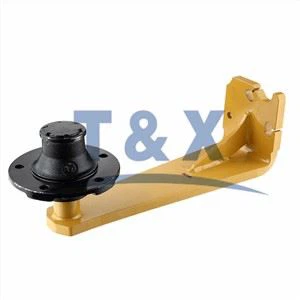
Tillage Arms
Tillage arms are an important part of many tillage implements. They are used to connect various components of the tillage equipment, such as the shanks, discs, or tines. Tillage arms are designed to withstand the high forces and stresses encountered during tillage operations.
They are usually made of high - strength steel and are precision - engineered to ensure proper fit and function. Tillage arms come in different shapes and sizes to accommodate different types of tillage equipment.


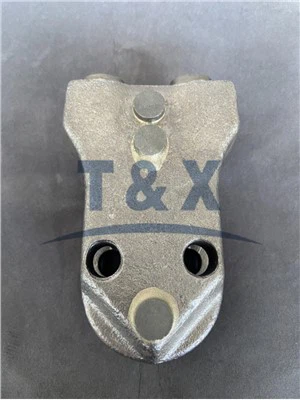
Forged Wear Resistant Earth Preparation Cutter
Forged wear - resistant earth preparation cutters are essential for efficient soil tillage. These cutters are designed to cut through tough soil and vegetation, making them ideal for preparing the soil for planting.
They are made through a forging process, which gives them high strength and wear resistance. The sharp cutting edges of these cutters ensure a clean and efficient tillage operation. They can be used with various tillage equipment, such as disc harrows, chisel plows, and rotary tillers.
Sweep Seed Drill Parts
Sweep seed drill parts are used in seed drills to ensure accurate seed placement and soil coverage. The sweeps are designed to cut through the soil and create a furrow for the seeds. They are usually made of durable materials to withstand the wear and tear of field operations.
The parts of a sweep seed drill include the sweeps, seed tubes, and metering devices. The sweeps create the furrow, the seed tubes deliver the seeds to the furrow, and the metering devices control the amount of seeds being sown.
Importance of Choosing the Right Tillage Parts
Choosing the right tillage parts is crucial for the success of your farming operation. The wrong parts can lead to inefficient tillage, increased fuel consumption, and poor crop yields.
When selecting tillage parts, you need to consider factors such as the type of soil, the size of your farm, and the specific tillage requirements. For example, if you have heavy, clayey soil, you may need more robust and durable parts. If you are practicing conservation tillage, you may need parts that are designed to minimize soil disturbance.
Conclusion
In conclusion, there are various types of tillage parts available, each with its own unique functions and applications. As a tillage parts supplier, I understand the importance of providing high - quality, reliable parts to farmers. Whether you are looking for moldboard plow parts, disc harrow components, or sweep seed drill parts, we have the expertise and products to meet your needs.
If you are interested in purchasing tillage parts or have any questions about our products, please feel free to contact us. We are committed to helping you find the right parts for your agricultural equipment and ensuring the success of your farming operation.
References
- "Agricultural Machinery and Equipment" by John Deere
- "Tillage Systems and Soil Management" by the American Society of Agronomy