
Hey there! As a supplier of Aluminum Forging Parts, I've been getting a lot of questions lately about parting lines in aluminum forging. So, I thought I'd take a moment to break it down for you.


First off, what exactly are parting lines? Well, in the world of aluminum forging, a parting line is the boundary where two halves of a forging die meet. When we're making a forging, we use a die that's split into two parts. These parts come together to form the shape of the final part. The line where these two die halves touch is the parting line.
Now, you might be wondering why parting lines are important. Well, they play a crucial role in the forging process. For starters, the location of the parting line can affect the quality of the final part. If the parting line is placed in the wrong spot, it can lead to issues like flash, which is excess material that gets squeezed out between the die halves during the forging process. Flash not only adds extra weight to the part but also requires additional machining to remove, which can increase production costs.
Another reason parting lines are important is that they can impact the strength and integrity of the part. When the forging is being formed, the metal flows around the parting line. If the parting line is not properly designed, it can create stress concentrations in the part, which can lead to cracks or other defects. So, getting the parting line right is essential for ensuring the part meets the required specifications and performs as expected.
So, how do we determine the best location for the parting line? Well, it depends on a few factors. One of the most important factors is the shape of the part. We need to consider how the metal will flow during the forging process and make sure the parting line is placed in a way that allows for smooth and even metal flow. We also need to take into account any features or details on the part, such as holes or grooves, and make sure the parting line doesn't interfere with these features.
Another factor to consider is the type of forging process we're using. Different forging processes, such as open-die forging and closed-die forging, have different requirements when it comes to parting lines. For example, in open-die forging, the parting line is typically located on the surface of the part, while in closed-die forging, the parting line is usually located inside the part.
At our company, we have a team of experienced engineers who are experts at designing parting lines for aluminum forging parts. We use advanced computer-aided design (CAD) software to model the forging process and determine the best location for the parting line. We also conduct extensive testing and analysis to ensure the part meets the required specifications and performs as expected.
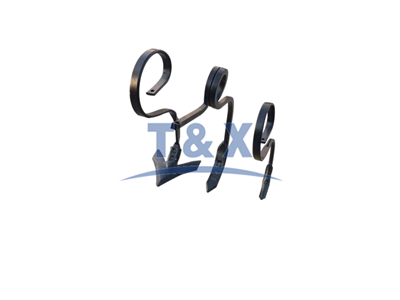
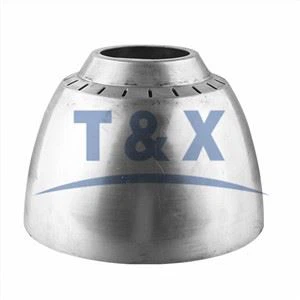
Now, let's talk about some of the specific products we offer. We have a wide range of Aluminum Forging Parts, including Wearable Construction Tips WS39 Cutter and Wearable Construction Tips WS39 Shoe Holder. These products are designed to be durable and reliable, and they're perfect for use in construction and other heavy-duty applications.
We also offer Carbon Steel Forging Parts, which are known for their strength and toughness. These parts are commonly used in automotive, aerospace, and other industries where high-performance materials are required.
If you're in the market for Aluminum Forging Parts or Carbon Steel Forging Parts, we'd love to hear from you. We can work with you to design and manufacture the parts you need, and we'll make sure they meet your exact specifications. Whether you need a small batch of parts for a prototype or a large production run, we have the expertise and resources to get the job done.
So, if you're interested in learning more about our products or have any questions about parting lines in aluminum forging, don't hesitate to reach out. We're here to help you find the best solutions for your needs.
References
- "Aluminum Forging Handbook," ASM International
- "Forging Technology," Society of Manufacturing Engineers