
Hey there! I'm from a steel casting parts supply background, and I'm super stoked to chat about the different types of steel casting parts based on their shapes. Steel casting is a pretty cool process where molten steel is poured into a mold to create various parts. And the shapes of these parts can vary widely, each with its own unique characteristics and uses.
Simple Geometric Shapes
Let's kick things off with the basics - simple geometric shapes. These are the ones you'll often see in a lot of industrial applications.

Cubes and Rectangular Prisms
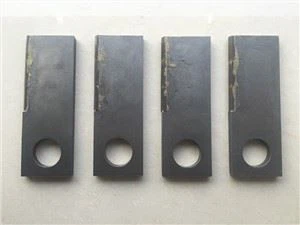
Cubes and rectangular prisms are some of the most common shapes in steel casting. They're easy to manufacture and can be used in a ton of different ways. For example, they might be used as building blocks in construction machinery or as housings for electrical components. The straightforward shape makes them great for stacking and fitting into pre - designed spaces.
Cylinders
Cylinders are another staple. They're used in all sorts of things, from engine parts like pistons and cylinders (obviously) to pipes and tubes. The circular cross - section gives them a uniform stress distribution, which is really important when they're under pressure. For instance, in hydraulic systems, steel cylinders are used to transfer force efficiently.
Complex Geometric Shapes
Now, things get a bit more interesting with complex geometric shapes.
Cones
Cones are used in applications where a gradual change in diameter is needed. You'll find them in things like funnels or in certain types of machinery where materials need to be directed or channeled. The shape allows for a smooth transition and can help reduce flow resistance in fluid or granular material handling.
Spheres
Spheres might not be as common as cubes or cylinders, but they have their uses. They're used in ball bearings, where the round shape allows for smooth rotation with minimal friction. In some cases, spherical steel castings are also used in decorative or art - related applications.
Irregular Shapes
This is where the real creativity in steel casting comes in - irregular shapes. These are custom - designed parts that are made to fit very specific requirements.
Custom - Designed Machine Parts
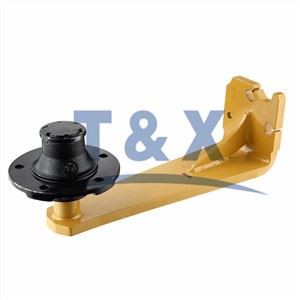
Many industrial machines have parts with unique shapes that are critical to their operation. For example, a Cast Flail Cutter has a very specific shape that's designed to shred vegetation efficiently. These parts are often made through a process called lost - wax casting, which allows for high precision and detailed shapes.
Artistic and Decorative Pieces
Steel casting isn't just for industrial use. There are also a lot of artistic and decorative pieces that are cast. These can range from small sculptures to large architectural elements. The ability to create complex and detailed shapes makes steel casting a popular choice for artists and designers.
Hollow Shapes
Hollow shapes are also important in steel casting.
Pipes and Tubes
Pipes and tubes are some of the most well - known hollow steel castings. They're used in plumbing, gas distribution, and many other industries. The hollow interior allows for the flow of liquids or gases, and the steel exterior provides strength and durability.
Hollow Machine Components
In some machines, hollow components are used to reduce weight while maintaining strength. For example, a Precision Cast Trailer Connector might be hollow to make it lighter and more fuel - efficient without sacrificing its ability to connect trailers safely.
Specialized Shapes
There are also some specialized shapes that are used in very specific industries.
Cutting Tools
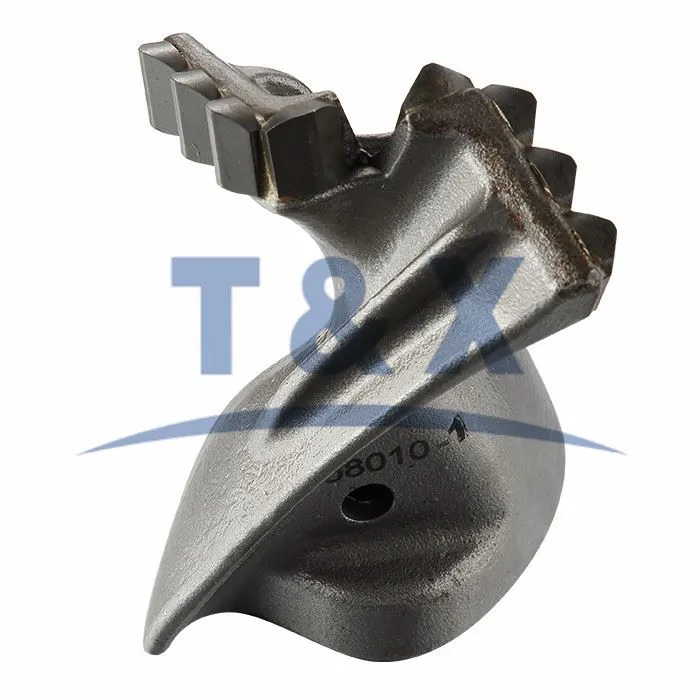
Cutting tools like the 42CrMo Alloy Steel Harden Fishtail Bit have a unique shape that's designed for cutting through hard materials. The fishtail shape, for example, provides a wide cutting edge and can help reduce the amount of force needed to cut.
Medical Equipment Parts
In the medical industry, steel casting parts with very precise shapes are used. These parts need to be made with high accuracy to ensure the proper functioning of medical devices. For example, some surgical instruments are made through steel casting to get the exact shape and strength required.
Why Choose Us?
As a steel casting parts supplier, we've got the expertise and resources to create all these different types of parts. We use the latest technology and top - notch materials to ensure that our products meet the highest standards. Whether you need simple geometric shapes for general industrial use or highly specialized and irregular shapes for specific applications, we've got you covered.
If you're in the market for steel casting parts, don't hesitate to reach out. We're always ready to have a chat about your needs, offer advice, and provide you with a quote. Let's work together to get the perfect steel casting parts for your project.
References
- "Steel Casting Handbook", ASM International.
- "Manufacturing Processes for Engineering Materials", Serope Kalpakjian and Steven Schmid.