
When it comes to small - scale mulchers, understanding the essential parts is crucial for both efficient operation and long - term durability. As a mulcher parts supplier, I've had the privilege of working with various small - scale mulcher users, from garden enthusiasts to small - time farmers. In this blog, I'll delve into the key components that make up a small - scale mulcher and why they are so important.
Mulcher Teeth
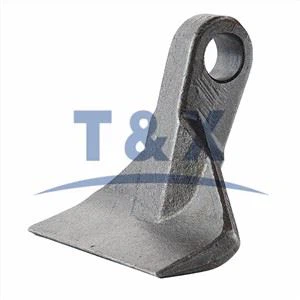
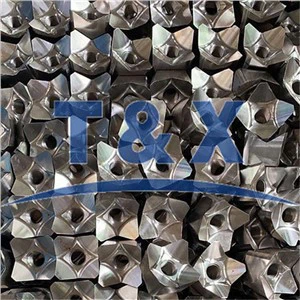
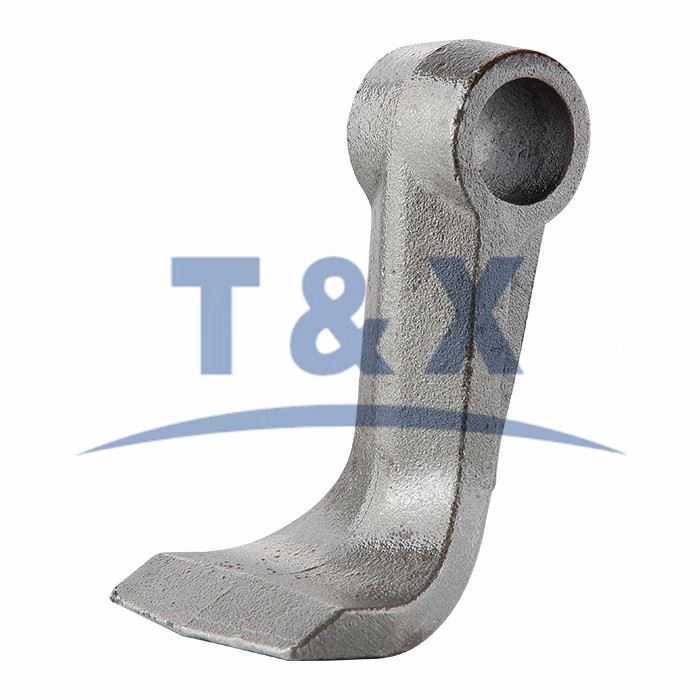
Mulcher teeth are perhaps the most critical part of any mulcher. They are the cutting edges that break down the organic material into smaller pieces. There are different types of mulcher teeth designed for specific applications.
Land Mulcher Teeth
Land Mulcher Teeth are ideal for use on open land areas. These teeth are engineered to handle a variety of vegetation, including grass, weeds, and small shrubs. They are usually made from high - quality steel that can withstand the wear and tear of regular use. The shape of land mulcher teeth is designed to efficiently cut through the vegetation, reducing it to a fine mulch. This type of mulch can be used to improve soil fertility, suppress weeds, and retain moisture in the soil.
Forestry Mulcher Teeth
For more challenging tasks, such as clearing forests or wooded areas, Forestry Mulcher Teeth are the way to go. These teeth are stronger and more robust than land mulcher teeth. They are capable of cutting through thick branches, small trees, and even some types of hardwood. Forestry mulcher teeth are often coated with special materials to enhance their wear resistance and cutting performance. When used in a small - scale mulcher, they can quickly transform large amounts of forest debris into usable mulch, which can be beneficial for forest management and ecological restoration.
Mulcher Teeth Holders
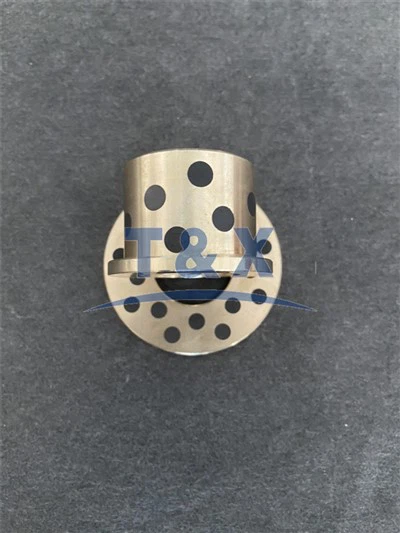
Mulcher Teeth Holders play a vital role in the mulching process. They are the components that secure the mulcher teeth to the mulcher's rotor. A good mulcher teeth holder should be strong and durable, as it has to withstand the high - speed rotation of the rotor and the impact forces generated during the cutting process.
The design of mulcher teeth holders is also important. They should be easy to install and remove, allowing for quick replacement of worn - out teeth. Some mulcher teeth holders are designed with a locking mechanism to ensure that the teeth stay firmly in place during operation. This not only improves the safety of the mulcher but also enhances its cutting efficiency. Without a reliable mulcher teeth holder, the teeth may become loose or fall off, which can lead to damage to the mulcher and pose a safety hazard.
Rotor
The rotor is the heart of the mulcher. It is the component that rotates at high speed, driving the mulcher teeth to cut through the organic material. A well - designed rotor is essential for the efficient operation of a small - scale mulcher.
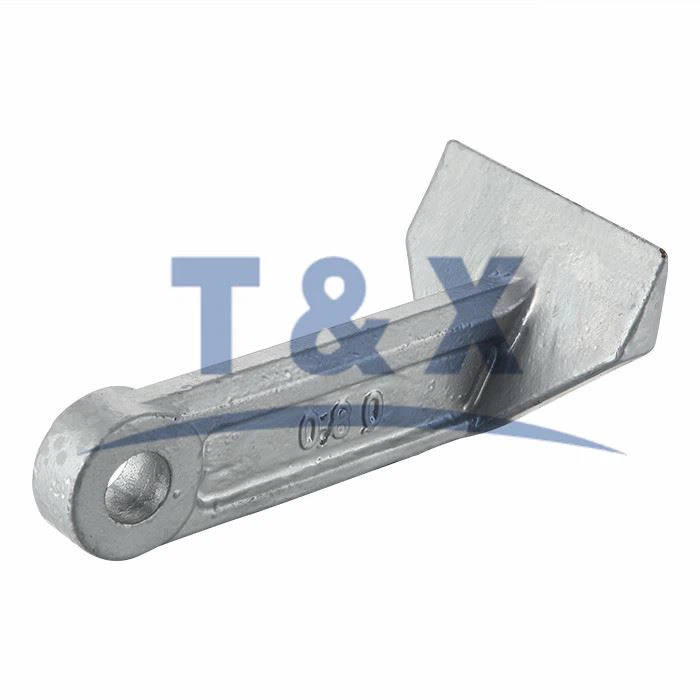
The size and weight of the rotor are important factors to consider. A larger and heavier rotor can provide more power and inertia, which is beneficial for cutting through thick and tough vegetation. However, it also requires more energy to operate. On the other hand, a smaller and lighter rotor may be more suitable for smaller - scale mulching tasks, as it consumes less energy and is more maneuverable.
The balance of the rotor is also crucial. An unbalanced rotor can cause excessive vibration, which can lead to premature wear of the mulcher's components and reduce its overall performance. To ensure proper balance, the rotor should be carefully manufactured and tested before being installed in the mulcher.
Gearbox
The gearbox is responsible for transmitting power from the engine to the rotor. It allows the mulcher to operate at different speeds, depending on the type of vegetation being mulched. A high - quality gearbox is essential for the smooth and efficient operation of the mulcher.
The gear ratio of the gearbox determines the speed and torque of the rotor. For cutting through thick vegetation, a lower gear ratio may be required to provide more torque. For lighter tasks, a higher gear ratio can be used to increase the cutting speed. The gearbox should also be able to withstand the high - load conditions that occur during the mulching process. Regular maintenance of the gearbox, such as checking the oil level and changing the oil at recommended intervals, is necessary to ensure its long - term reliability.
Engine
The engine is the power source of the mulcher. It provides the energy needed to drive the rotor and other components of the mulcher. When choosing an engine for a small - scale mulcher, several factors should be considered.
The power output of the engine is an important consideration. It should be sufficient to handle the type of mulching tasks you plan to perform. For small - scale mulching in a garden or a small field, a relatively low - power engine may be sufficient. However, for larger - scale mulching or for cutting through thick and tough vegetation, a more powerful engine may be required.
Fuel efficiency is another important factor. A fuel - efficient engine can save you money on fuel costs in the long run. There are different types of engines available for small - scale mulchers, including gasoline engines and diesel engines. Gasoline engines are generally lighter and more compact, while diesel engines are more fuel - efficient and have more torque.
Housing
The housing of the mulcher serves several important functions. It protects the internal components of the mulcher from damage and debris. It also helps to direct the flow of the mulch, ensuring that it is evenly distributed.
The housing should be made from strong and durable materials, such as steel or heavy - duty plastic. It should be designed to withstand the impact forces generated during the mulching process. A well - designed housing should also have proper ventilation to prevent overheating of the engine and other components.
Belt and Pulley System
The belt and pulley system is used to transfer power from the engine to the gearbox. It is an important part of the mulcher's power transmission system.
The belts should be made from high - quality materials that can withstand the high - tension forces and the heat generated during operation. They should also be properly tensioned to ensure efficient power transfer. The pulleys should be accurately sized and aligned to prevent the belts from slipping or wearing out prematurely.
Control System
A good control system is essential for the safe and easy operation of a small - scale mulcher. It allows the operator to start and stop the mulcher, adjust the speed of the rotor, and control other functions.
The control system should be user - friendly, with clearly labeled controls. It should also have safety features, such as emergency stop buttons, to protect the operator in case of an emergency. Some modern small - scale mulchers are equipped with electronic control systems that provide more precise control and monitoring of the mulcher's operation.
In conclusion, a small - scale mulcher is a complex machine that consists of several essential parts. Each part plays a crucial role in the mulcher's performance, efficiency, and safety. As a mulcher parts supplier, I understand the importance of providing high - quality parts to ensure the optimal operation of your mulcher. Whether you need replacement mulcher teeth, a new gearbox, or any other mulcher component, I can offer you a wide range of products to meet your needs.
If you are interested in purchasing mulcher parts or have any questions about mulcher parts, please feel free to contact me. I'm always ready to assist you in finding the right parts for your small - scale mulcher.
References
- "Mulching Equipment Handbook" - A comprehensive guide on mulching equipment, including the design and function of various mulcher parts.
- "Small - Scale Agriculture Machinery Manual" - This manual provides detailed information on the operation and maintenance of small - scale agricultural machinery, including mulchers.
- Industry research reports on mulching technology and equipment, which offer insights into the latest developments in mulcher parts design and performance.