
In the dynamic world of manufacturing, die casting has emerged as a highly efficient and cost - effective method for producing a wide range of metal parts. As a die casting parts supplier, I understand the paramount importance of quality control in ensuring that our products meet and exceed the expectations of our customers. In this blog post, I will delve into the various quality control measures that we implement to guarantee the excellence of our die casting parts.
Raw Material Inspection
The foundation of high - quality die casting parts lies in the quality of the raw materials used. We source our raw materials from trusted suppliers who adhere to strict quality standards. Before the materials are used in the die casting process, we conduct a comprehensive inspection.
For Aluminum Die Casting Parts, we check the chemical composition of the aluminum alloy. This is done using advanced spectrometers that can accurately analyze the percentage of different elements such as silicon, copper, magnesium, and zinc. Deviations from the specified composition can lead to issues such as reduced strength, poor corrosion resistance, and difficulties in the casting process.
In the case of Zinc Die Casting Parts, we also examine the purity of the zinc alloy. Impurities in the zinc can cause porosity, brittleness, and surface defects in the final parts. We measure the physical properties of the raw materials, including density and hardness, to ensure they are within the acceptable range.
Die Design and Manufacturing Quality Control
The die is a crucial component in the die casting process, as it determines the shape, size, and surface finish of the parts. We have a team of experienced die designers who use state - of - the - art CAD/CAM software to create precise die designs.
Before the die is manufactured, we conduct a detailed design review. This involves checking for potential issues such as undercuts, draft angles, and gate locations. Incorrect draft angles can make it difficult to eject the parts from the die, while improper gate locations can lead to uneven filling of the die cavity and result in defects like cold shuts.
During the die manufacturing process, we closely monitor the machining operations. We use high - precision machining equipment to ensure that the die dimensions are accurate to within a few micrometers. After the die is completed, we perform a trial run to check for any signs of wear, deformation, or leakage. Any issues are addressed immediately to prevent them from affecting the quality of the parts.
Process Parameter Monitoring
The die casting process is highly sensitive to process parameters such as temperature, pressure, and injection speed. We use advanced sensors and control systems to monitor and adjust these parameters in real - time.
The temperature of the molten metal is a critical factor. If the temperature is too high, it can cause excessive oxidation, porosity, and thermal stress in the parts. On the other hand, if the temperature is too low, the metal may not flow properly into the die cavity, resulting in incomplete filling and cold shuts. We maintain the molten metal temperature within a narrow range using induction furnaces with precise temperature control.
The injection pressure also plays a vital role in the quality of the parts. Insufficient pressure can lead to voids and porosity, while excessive pressure can cause flash and die damage. We continuously monitor the injection pressure and adjust it according to the size and complexity of the parts.
Injection speed affects the filling pattern of the molten metal in the die cavity. A too - high injection speed can cause turbulence and entrapment of air, while a too - low speed can result in slow filling and cold shuts. We optimize the injection speed based on the properties of the metal alloy and the design of the parts.
In - process Inspection
Throughout the die casting process, we conduct in - process inspections to detect and correct any potential quality issues early. We use non - destructive testing methods such as visual inspection, X - ray inspection, and ultrasonic testing.
Visual inspection is the most basic and widely used method. Our operators visually examine the parts for surface defects such as cracks, porosity, and flash. They use magnifying glasses and bright lights to detect even the smallest defects.

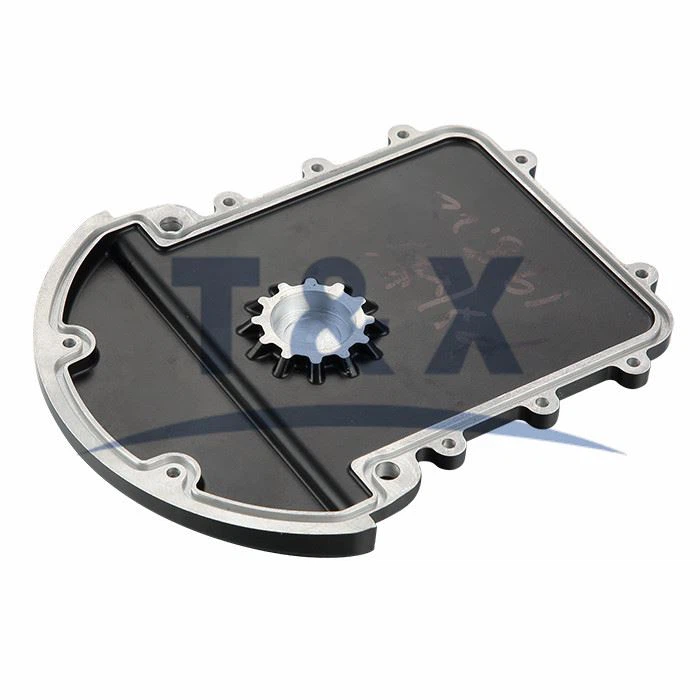
X - ray inspection is used to detect internal defects such as porosity and shrinkage cavities. It allows us to see inside the parts without damaging them. Ultrasonic testing is another non - destructive method that can detect internal flaws by sending ultrasonic waves through the parts and analyzing the reflected signals.
We also take samples of the parts at regular intervals for dimensional inspection. We use coordinate measuring machines (CMMs) to measure the dimensions of the parts with high accuracy. Any parts that do not meet the specified dimensions are either re - worked or scrapped.
Post - casting Heat Treatment and Finishing Quality Control
After the die casting process, some parts may undergo heat treatment to improve their mechanical properties. We carefully control the heat treatment parameters, including temperature, time, and cooling rate. Incorrect heat treatment can lead to changes in the microstructure of the metal, resulting in reduced strength, hardness, and ductility.
During the finishing process, which may include machining, polishing, and plating, we also implement quality control measures. For machining operations, we monitor the cutting parameters to ensure that the surface finish and dimensional accuracy of the parts are maintained. In the case of plating, we check the thickness, adhesion, and corrosion resistance of the plating layer.
Final Inspection and Testing
Before the parts are shipped to our customers, we conduct a final inspection. This includes a comprehensive visual inspection, dimensional check, and functional testing.
We compare the parts against the customer's specifications and quality requirements. We also perform any additional tests that the customer may request, such as fatigue testing, corrosion testing, and chemical analysis. Only parts that pass all the tests are approved for shipment.
Continuous Improvement
Quality control is an ongoing process, and we are committed to continuous improvement. We collect and analyze quality data from each production batch to identify trends and areas for improvement. We use statistical process control (SPC) techniques to monitor the process stability and detect any potential quality issues before they occur.
We also encourage feedback from our customers. Their insights and suggestions are invaluable in helping us to enhance our products and services. By continuously improving our quality control measures, we can ensure that we remain competitive in the market and provide our customers with the highest - quality die casting parts.
Conclusion
In conclusion, as a die casting parts supplier, we implement a comprehensive set of quality control measures at every stage of the production process. From raw material inspection to final testing, we leave no stone unturned in our quest for excellence. Our commitment to quality ensures that our Aluminum Die Casting Parts and Zinc Die Casting Parts meet the highest industry standards.
If you are in the market for high - quality die casting parts, we invite you to contact us for a procurement discussion. We are confident that our products and services will meet your needs and exceed your expectations.
References
- Campbell, J. (2003). Castings. Butterworth - Heinemann.
- Kalpakjian, S., & Schmid, S. R. (2009). Manufacturing Engineering and Technology. Pearson Prentice Hall.
- Metals Handbook: Die Casting, 9th Edition, Volume 15. ASM International.