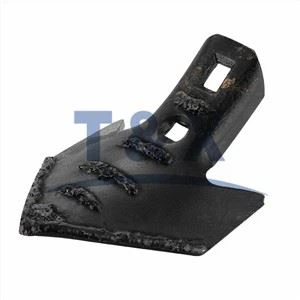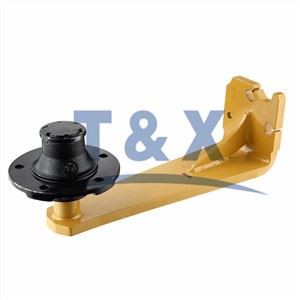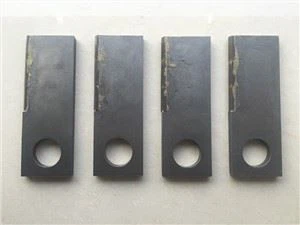

Hey there! As a supplier of flange parts, I've been getting a lot of questions lately about the requirements for flange part painting. So, I thought I'd put together this blog post to share some insights.
First off, let's talk about why painting flange parts is important. Painting isn't just about making the parts look good. It also serves some crucial functions. For one, it provides a protective layer against corrosion. Flange parts are often used in various environments, some of which can be pretty harsh, like in chemical plants or near the sea. The paint acts as a barrier between the metal of the flange and the corrosive elements in the environment, extending the lifespan of the parts.
Another reason is aesthetics. In some industries, especially those where the equipment is on display or in public view, having well - painted flange parts can enhance the overall look of the machinery or structure.
Now, let's dive into the requirements.
Surface Preparation
Before you even think about applying paint, proper surface preparation is a must. The surface of the flange part should be clean, dry, and free from any contaminants. This includes dirt, grease, rust, and old paint.
We usually start with a thorough cleaning process. For light dirt and grease, we might use a mild detergent and water solution. But for more stubborn contaminants, a solvent - based cleaner might be necessary. After cleaning, we make sure to rinse the parts thoroughly and let them dry completely.
Next, we move on to removing rust. Rust can prevent the paint from adhering properly, so it has to go. There are several methods for rust removal. One common way is sandblasting. It's a very effective method that uses high - pressure air to propel abrasive particles at the surface of the flange. This not only removes rust but also creates a rough surface, which helps the paint adhere better. Another option is using chemical rust removers. These are solutions that react with the rust and dissolve it.
After rust removal, we often perform a surface profile inspection. The right surface profile is crucial for good paint adhesion. The profile should be within a certain range, depending on the type of paint we're going to use.
Paint Selection
Choosing the right paint is just as important as surface preparation. There are many factors to consider when selecting paint for flange parts.
The first factor is the environment in which the flange will be used. If it's going to be in a marine environment, for example, we need a paint that can withstand saltwater corrosion. Epoxy - based paints are often a good choice in such cases. They are highly resistant to water, chemicals, and abrasion.
For flanges used in high - temperature environments, like in some industrial furnaces or engines, we need heat - resistant paints. These paints can maintain their integrity and protective properties even at elevated temperatures.
The durability of the paint is also a key consideration. We want a paint that can last a long time without chipping, peeling, or fading. Acrylic paints are known for their good durability and color retention.
We also have to think about the application method. Some paints are better suited for spray application, while others work well with brushing or rolling.
Application Process
Once we've prepared the surface and selected the paint, it's time to apply it. The application process needs to be carried out carefully to ensure a high - quality finish.
If we're using a spray gun, we need to set the right pressure and spray pattern. The distance between the spray gun and the flange part also matters. Too close, and the paint might build up too thickly in some areas; too far, and the paint might not adhere properly.
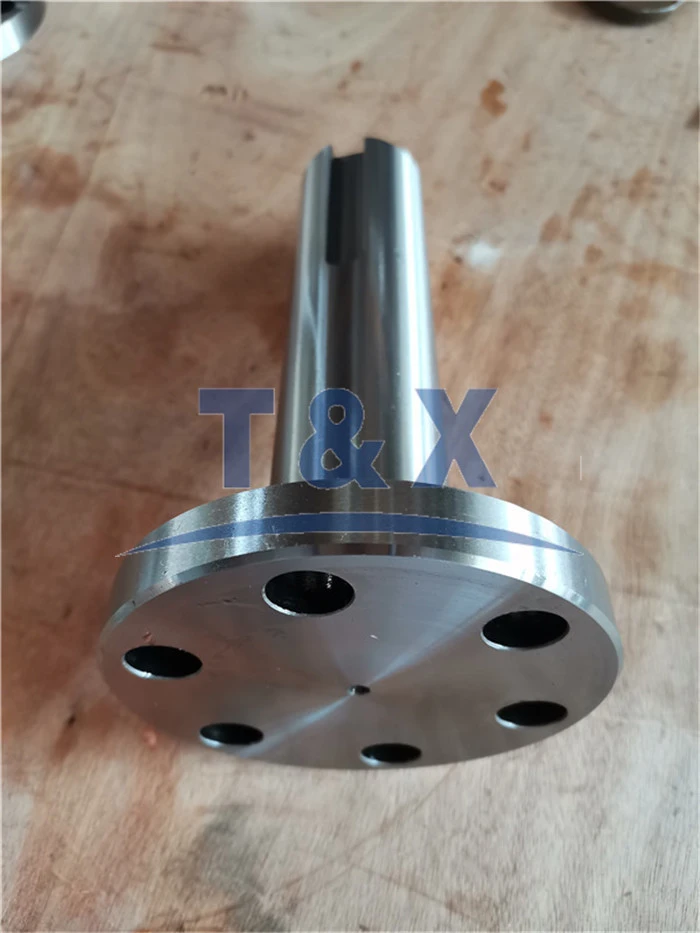

When brushing or rolling, we need to make sure to apply the paint evenly. We usually start with a thin coat and then build up the layers as needed. Multiple thin coats are often better than one thick coat, as they are less likely to develop cracks or bubbles.
During the application process, we also need to pay attention to the temperature and humidity. Most paints have an optimal temperature and humidity range for application. If the conditions are too hot or too cold, or if the humidity is too high, it can affect the drying and curing process of the paint.
Drying and Curing
After the paint is applied, the flange parts need to dry and cure properly. Drying is the process of the solvent in the paint evaporating, while curing is the chemical reaction that makes the paint hard and durable.
The drying time can vary depending on the type of paint, the thickness of the coat, and the environmental conditions. In general, it can take anywhere from a few hours to a few days for the paint to dry completely.
Curing usually takes longer. Some paints might require several days or even weeks to fully cure. During the curing process, we need to keep the flange parts in a stable environment, away from any sources of damage or contamination.
Quality Control
Throughout the painting process, we have a strict quality control system in place. We inspect the painted flange parts at various stages to make sure they meet our standards.
We check for things like paint thickness, adhesion, and the presence of any defects such as bubbles, runs, or sags. We use specialized tools to measure paint thickness and test adhesion. If we find any issues, we take corrective actions right away, which might involve sanding down the paint and reapplying it.
In addition to our internal quality control, we also make sure that our painting processes comply with relevant industry standards and regulations.
Now, if you're in the market for high - quality flange parts with excellent painting, we've got you covered. We also offer other great products like Trailer Wheel Stamping Hub Housing, Precision Machining Drive Shaft, and Trailer Wheel Hubs Spindle.
If you're interested in our products, don't hesitate to reach out for a procurement discussion. We're always happy to talk about your specific needs and how we can meet them.
References
- "Handbook of Protective Coatings for Metals", by Clive H. Hare
- "Painting and Coating Technology", by George P. Bierwagen