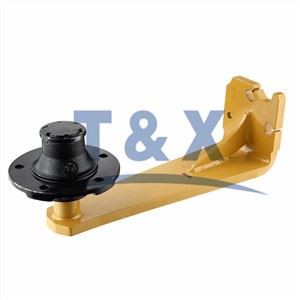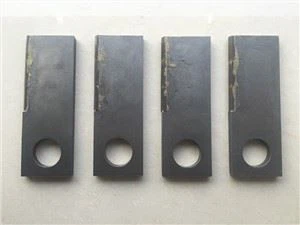

As a supplier of Tree Saw Parts, I am often asked about the safety features of these essential tools. Tree saws are powerful machines used in various industries, including forestry, landscaping, and arboriculture. Ensuring the safety of operators and bystanders is of utmost importance, and the design and construction of tree saw parts play a crucial role in achieving this goal. In this blog post, I will discuss some of the key safety features of tree saw parts and how they contribute to a safer working environment.
Blade Design and Construction
The blade is the most critical part of a tree saw, and its design and construction have a significant impact on safety. Modern tree saw blades are typically made from high-quality steel or carbide, which provides excellent cutting performance and durability. These materials are designed to withstand the rigors of cutting through tough wood and can resist wear and tear over time.
One of the key safety features of tree saw blades is their tooth design. The teeth of a tree saw blade are carefully engineered to provide efficient cutting while minimizing the risk of kickback. Kickback is a sudden and violent reaction that can occur when the blade binds or stalls during cutting, causing the saw to jerk back towards the operator. To prevent kickback, tree saw blades are designed with teeth that are angled and shaped to reduce the likelihood of binding. Additionally, some blades feature anti-kickback devices, such as rivets or guards, which further enhance safety.
Another important safety feature of tree saw blades is their sharpness. A sharp blade cuts more efficiently and requires less force to operate, reducing the risk of operator fatigue and injury. Dull blades, on the other hand, can cause the saw to bind or stall, increasing the risk of kickback and other accidents. To ensure the safety of operators, it is essential to keep tree saw blades sharp and replace them when they become worn or damaged.
Safety Guards and Shields
In addition to blade design, tree saws are equipped with a variety of safety guards and shields to protect operators from flying debris and other hazards. These guards and shields are typically made from durable materials, such as plastic or metal, and are designed to cover the blade and other moving parts of the saw.
One of the most common safety guards on a tree saw is the blade guard. The blade guard is a protective cover that encloses the blade when the saw is not in use and automatically retracts when the saw is engaged. This helps to prevent accidental contact with the blade and reduces the risk of injury.
Another important safety feature of tree saws is the chain brake. The chain brake is a device that stops the chain from moving in the event of a kickback or other emergency. The chain brake is typically activated by a lever or button on the saw, and it can be quickly engaged to stop the chain from rotating. This helps to prevent serious injuries to the operator and bystanders.
Handle Design and Grip
The handle design and grip of a tree saw are also important safety features. A comfortable and secure grip is essential for controlling the saw and reducing the risk of operator fatigue and injury. Tree saws are typically designed with ergonomic handles that are shaped to fit the hand and provide a comfortable grip. Additionally, some saws feature anti-vibration technology, which helps to reduce the amount of vibration transmitted to the operator's hands and arms.
In addition to a comfortable grip, tree saws are also equipped with safety switches and controls. These switches and controls are designed to prevent accidental activation of the saw and to provide the operator with easy access to the saw's functions. For example, many tree saws feature a trigger lock that must be depressed before the saw can be started. This helps to prevent accidental starting and reduces the risk of injury.


Maintenance and Inspection
Proper maintenance and inspection of tree saw parts are essential for ensuring their safety and performance. Regular maintenance helps to keep the saw in good working condition and reduces the risk of breakdowns and accidents. Some of the key maintenance tasks for tree saws include sharpening the blade, lubricating the chain, and checking the tension of the chain.
In addition to regular maintenance, it is also important to inspect tree saw parts for signs of wear and damage. This includes checking the blade for cracks or chips, inspecting the chain for loose or missing links, and checking the safety guards and shields for damage. If any parts are found to be worn or damaged, they should be replaced immediately to ensure the safety of the operator and bystanders.
Conclusion
In conclusion, the safety features of tree saw parts are essential for ensuring the safety of operators and bystanders. Blade design, safety guards and shields, handle design and grip, and maintenance and inspection all play a crucial role in reducing the risk of accidents and injuries. As a supplier of Tree Saw Parts, I am committed to providing high-quality products that meet the highest safety standards. If you are in the market for tree saw parts, I encourage you to contact me to discuss your needs and learn more about our products.
If you're interested in exploring our tree saw parts, you can check out our Tree Saw Teeth, Wearable Alloy Steel Saw Tooth, and Tree Saw Teeth Holder. We're here to assist you with your procurement needs and ensure you get the right parts for your tree saw. Don't hesitate to reach out for a detailed discussion and to start the purchasing process.
References
- "Tree Saw Safety Guidelines." Occupational Safety and Health Administration (OSHA).
- "Blade Design and Safety in Tree Saws." Journal of Forestry Equipment and Technology.
- "Maintenance and Inspection of Tree Saw Parts." Arboriculture Journal.