


As a supplier of steel wear parts, I've seen firsthand how crucial it is to keep these components in tip - top shape. Steel wear parts are used in various industries, from construction to manufacturing, and they go through a lot of stress and dirt buildup over time. So, you might be wondering, what's the best way to clean steel wear parts? Let's dive right in.
Understanding the Types of Steel Wear Parts
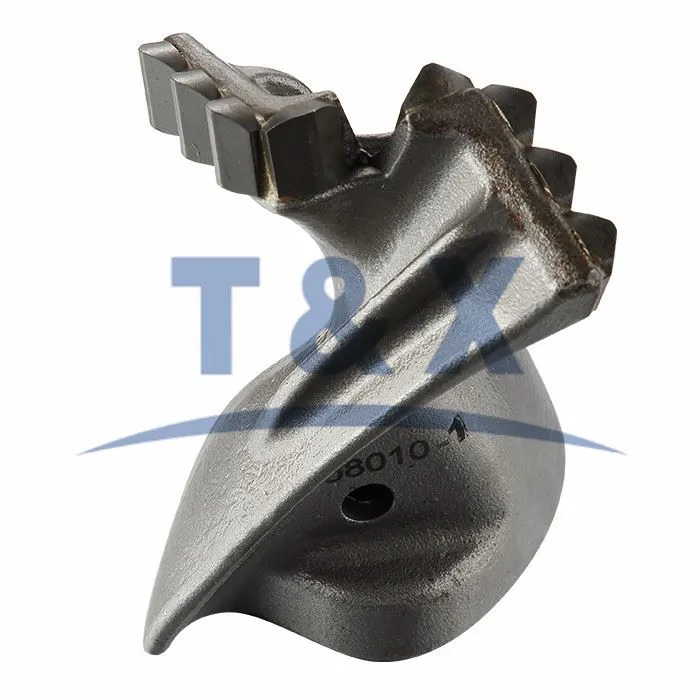
Before we get into the cleaning methods, it's important to know that there are many different types of steel wear parts out there. For example, we offer some really cool products like Lost Wax Casting Cross Bit & Lost Bit. These bits are used in drilling operations and can get covered in all sorts of debris, like dirt, rock particles, and oil.
Another type is the 42CrMo Alloy Steel Harden Fishtail Bit. This bit is made from a special alloy steel, which gives it extra hardness and durability. But it still needs proper cleaning to maintain its performance. And then there's the Precision Cast Trailer Connector, which is used in the automotive industry and can get dirty from road grime and other contaminants.
Why Cleaning is So Important
Cleaning steel wear parts isn't just about making them look good. It's about ensuring their functionality and longevity. When dirt, grease, and other contaminants build up on these parts, they can cause a lot of problems. For example, dirt can act as an abrasive, accelerating the wear and tear of the steel. Grease can attract more dirt, and over time, it can form a hard - to - remove layer that affects the moving parts' smoothness.
If you don't clean your steel wear parts regularly, you might end up replacing them much sooner than you should, which can be costly. So, a good cleaning routine is a simple but effective way to save money in the long run.
Pre - Cleaning Steps
Before you start the actual cleaning process, there are a few things you need to do. First, you need to assess the condition of the part. Look for any signs of damage, like cracks or excessive wear. If you find any serious issues, it might be better to replace the part rather than trying to clean it.
Next, you need to gather the right cleaning supplies. You'll typically need a cleaning solution, a soft - bristle brush, and a clean cloth. The cleaning solution should be suitable for steel. Avoid using harsh chemicals that can damage the steel's surface. You can find many commercial cleaning solutions on the market, or you can make your own using mild soap and water.
Cleaning Methods
There are several ways to clean steel wear parts, and the best method depends on the type and severity of the dirt and the part's design.

Manual Cleaning
This is the most basic method and is suitable for light dirt and small parts. Start by soaking the part in the cleaning solution for a few minutes. This will loosen up the dirt. Then, use the soft - bristle brush to gently scrub the part. Pay special attention to the hard - to - reach areas, like the grooves and holes. After scrubbing, rinse the part thoroughly with clean water to remove all the soap residue. Finally, dry the part with a clean cloth. Make sure it's completely dry to prevent rusting.
Ultrasonic Cleaning
For more stubborn dirt and grime, ultrasonic cleaning is a great option. Ultrasonic cleaners use high - frequency sound waves to create tiny bubbles in a cleaning solution. These bubbles implode near the surface of the steel part, dislodging the dirt. This method is very effective in reaching all the nooks and crannies of the part. However, you need to use a suitable cleaning solution for ultrasonic cleaning, as some solutions can damage the ultrasonic cleaner.
Pressure Washing
If you're dealing with large parts that are covered in heavy dirt, pressure washing can be a good choice. A pressure washer can deliver a high - powered stream of water to blast away the dirt. But be careful not to use too high a pressure, as it can damage the steel surface. You can also add a small amount of detergent to the water to improve the cleaning effect.
Post - Cleaning Care
Once you've cleaned your steel wear parts, it's important to take good care of them. One of the key things is to protect the parts from rust. You can do this by applying a rust - preventive coating, such as oil or a specialized rust - proof spray. Make sure to apply the coating evenly and let it dry completely before using the part.
Also, store the parts in a dry place. Moisture is the enemy of steel, as it can cause rusting. If possible, keep the parts in a sealed container or a cabinet with a dehumidifier.
Conclusion
In conclusion, cleaning steel wear parts is an essential task that can help extend their lifespan and maintain their performance. Whether you're using a simple manual cleaning method or more advanced techniques like ultrasonic cleaning, the key is to do it regularly and with the right supplies.
If you're in the market for high - quality steel wear parts or have any questions about cleaning them, we're here to help. We've got a wide range of products, from the Lost Wax Casting Cross Bit & Lost Bit to the 42CrMo Alloy Steel Harden Fishtail Bit and the Precision Cast Trailer Connector. So, don't hesitate to reach out if you're interested in making a purchase or just want some more advice.
References
- "Maintenance Guide for Steel Components", Industrial Machinery Handbook
- "Best Practices for Cleaning Metal Parts", Manufacturing Today Magazine


