
What is the Strength Requirement for CNC Machining Parts?
As a seasoned supplier of CNC machining parts, I've witnessed firsthand the critical role that strength requirements play in the manufacturing process. CNC (Computer Numerical Control) machining is a highly precise manufacturing method that uses computerized controls to operate machine tools. This process is widely used across various industries, from automotive and aerospace to medical and consumer electronics. Each industry has unique strength requirements for the parts they use, and understanding these requirements is essential for producing high - quality CNC machining parts.
Understanding Material - Specific Strength Requirements
The strength requirements for CNC machining parts are largely determined by the materials used. Different materials have different inherent properties, and these properties directly affect the strength of the final part.
Metals
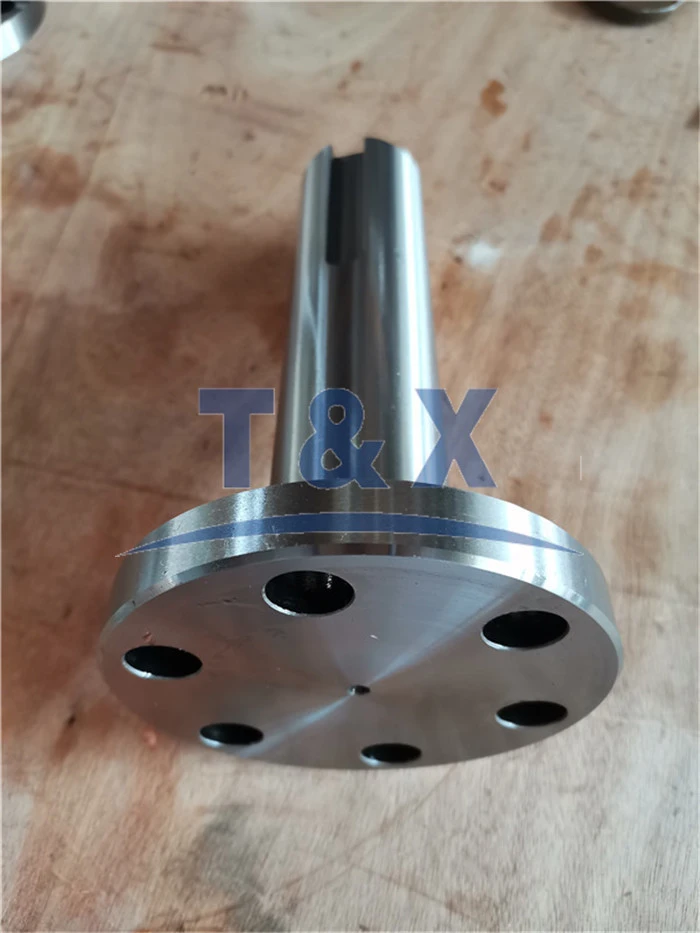
- Steel: Steel is one of the most commonly used materials in CNC machining due to its high strength and durability. For applications in the automotive industry, such as Precision Machining Drive Shaft, the strength of the steel used must be sufficient to withstand high torque and rotational forces. High - carbon steels are often preferred for their increased hardness and strength. In the aerospace industry, where weight is a critical factor, alloy steels are used. These steels are engineered to have a high strength - to - weight ratio, ensuring that the parts can handle the stresses of flight while keeping the overall weight of the aircraft down.
- Aluminum: Aluminum is lightweight and corrosion - resistant, making it a popular choice for many applications. In the case of Aluminum Alloy Machined Boss, the strength of the aluminum alloy is crucial. Different aluminum alloys have different strength characteristics. For example, 6061 - T6 aluminum is known for its good strength, weldability, and machinability. It is often used in structural applications where a combination of strength and light weight is required, such as in the frames of electronic devices or in some automotive components.
Plastics
Plastics are also used in CNC machining, especially in applications where weight reduction, electrical insulation, or chemical resistance is important. However, their strength requirements are different from those of metals. For instance, in the production of consumer electronics housings, the plastic parts need to have enough strength to protect the internal components from physical damage. Engineering plastics like polycarbonate and acrylonitrile butadiene styrene (ABS) are commonly used. Polycarbonate has high impact resistance, making it suitable for applications where the part may be subjected to sudden impacts.
Mechanical Properties and Strength Requirements
When discussing the strength requirements of CNC machining parts, several mechanical properties come into play.
Tensile Strength
Tensile strength is the maximum stress that a material can withstand while being pulled or stretched before breaking. For parts like the Trailer Wheel Hubs Cast Hub, high tensile strength is essential. The wheel hub needs to support the weight of the trailer and any load it is carrying, as well as the forces generated during acceleration, braking, and turning. If the tensile strength of the material used for the wheel hub is insufficient, it may crack or break under these stresses, leading to a potentially dangerous situation.
Yield Strength
Yield strength is the stress at which a material begins to deform plastically. In other words, it is the point at which the material will no longer return to its original shape after the load is removed. For CNC machining parts, understanding the yield strength is crucial, especially in applications where the part will be subjected to repeated loading. For example, in a mechanical linkage, if the applied stress exceeds the yield strength of the material, the part may deform over time, leading to misalignment and reduced performance.
Hardness
Hardness is a measure of a material's resistance to indentation, scratching, or wear. In applications where the part will be in contact with other surfaces or will experience friction, high hardness is desirable. For example, in cutting tools used in CNC machining, the tool material needs to be hard enough to cut through the workpiece material without dulling quickly. Similarly, in parts that are subject to abrasion, such as gears or bearings, a high - hardness material will ensure a longer service life.
Factors Affecting Strength Requirements
Several factors can influence the strength requirements of CNC machining parts.

Operating Conditions
The environment in which the part will operate plays a significant role in determining its strength requirements. For example, parts used in marine environments need to be corrosion - resistant in addition to having the necessary strength. Saltwater can cause corrosion, which can weaken the material over time. Therefore, materials like stainless steel or certain aluminum alloys are often used in marine applications. In high - temperature environments, such as in engines or industrial furnaces, the material must maintain its strength at elevated temperatures. Some alloys are specifically designed to have high - temperature strength, such as nickel - based superalloys used in jet engine components.
Load Types
The type of load that the part will experience is another important factor. There are different types of loads, including static loads, dynamic loads, and cyclic loads. Static loads are constant and do not change over time, such as the weight of a structure. Dynamic loads, on the other hand, are variable and can include impacts, vibrations, and sudden changes in force. Cyclic loads are repeated loads, such as those experienced by a piston in an engine. Each type of load requires a different approach to determining the strength requirements. For example, parts subjected to cyclic loads need to have good fatigue strength to prevent cracking and failure over time.
Meeting Strength Requirements in CNC Machining
As a supplier of CNC machining parts, we take several steps to ensure that our parts meet the required strength specifications.
Material Selection
The first step is to carefully select the appropriate material based on the strength requirements of the part. We work closely with our customers to understand their specific needs and then recommend the best material for the application. This may involve conducting material testing to verify the properties of the selected material.
Machining Processes
The machining process itself can also affect the strength of the part. For example, improper machining parameters can introduce residual stresses in the part, which can weaken it. We use advanced CNC machining techniques and carefully control the cutting speed, feed rate, and depth of cut to minimize residual stresses. Additionally, we may perform post - machining processes such as heat treatment to improve the mechanical properties of the part. Heat treatment can increase the strength, hardness, and toughness of the material, depending on the specific requirements.
Quality Control
Quality control is an integral part of our manufacturing process. We use a variety of inspection methods, including non - destructive testing (NDT) techniques such as ultrasonic testing and X - ray inspection, to detect any internal defects in the parts. We also perform mechanical testing, such as tensile tests and hardness tests, to ensure that the parts meet the specified strength requirements.
Conclusion
In conclusion, understanding the strength requirements for CNC machining parts is essential for producing high - quality products. The strength requirements are determined by factors such as the material used, the mechanical properties of the material, the operating conditions, and the type of load the part will experience. As a supplier of CNC machining parts, we are committed to meeting these requirements through careful material selection, precise machining processes, and rigorous quality control.
If you are in need of high - quality CNC machining parts that meet your specific strength requirements, we invite you to contact us for a detailed discussion. Our team of experts is ready to work with you to develop the best solutions for your applications.
References
- Callister, W. D., & Rethwisch, D. G. (2017). Materials Science and Engineering: An Introduction. Wiley.
- Kalpakjian, S., & Schmid, S. R. (2014). Manufacturing Engineering and Technology. Pearson.
- ASM Handbook Committee. (2000). ASM Handbook, Volume 1: Properties and Selection: Irons, Steels, and High - Performance Alloys. ASM International.